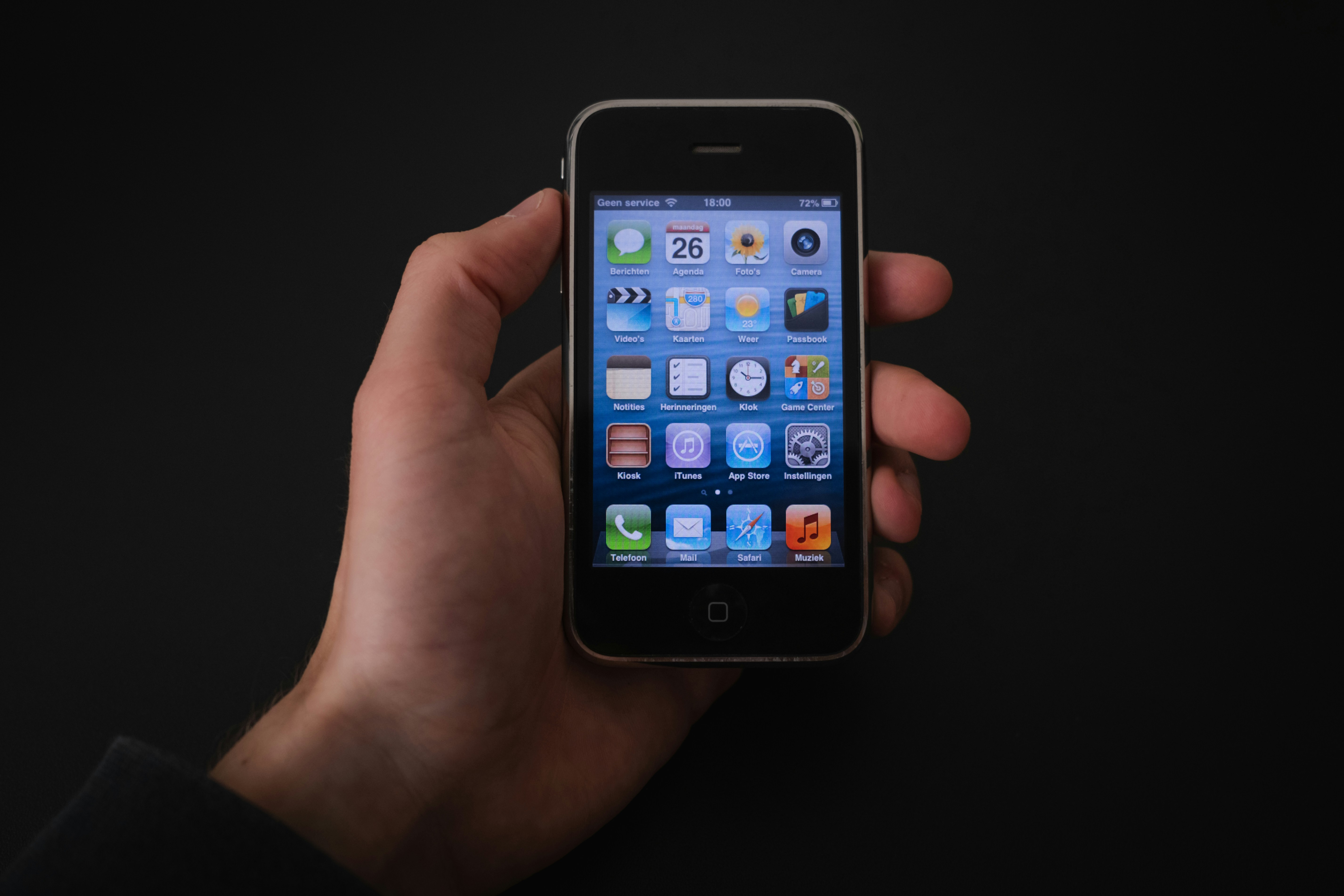
Today marks 19 years since Apple officially launched the original iPhone on 29th June 2007. The iPhone completely reshaped the smartphone market and continues to dominate today.
When Apple co-founder and CEO Steve Jobs introduced the first iPhone, he famously announced it as three different devices - an iPod, a phone and an internet communicator.
Consumers and journalists had their doubts about this new device, including tech news site Engadget, which posted Why the iPhone Will Fail, just days before launch.
The 2007 Market

The iPhone was not the first smartphone. This title is often considered to belong to the IBM Simon, which launched in 1994 and was referred to as a "computer that could fit in your shirt pocket" by its creators.
However, the iPhone was different to other mobile phones on the market at the time, ditching a physical keyboard for a digital keyboard that only appears when needed, popularised multi-touch technology which introduced revolutionary gestures including pinch to zoom and swipe to scroll - gestures we still use today.
Operating System

When iPhone launched, most mobile phones had limited web browsing functionality and used less powerful operating systems.
Apple wanted to change this approach to smartphones. As a result, the first iPhone launched with an adapted version of OS X (now known as macOS), called iPhone OS.
iPhone OS launched with Safari, one of the first mobile browsers capable of rendering full desktop-class websites.
Apple would later rename iPhone OS to iOS in 2010, optimising for the new Apple Silicon A4 chip in iPhone 4 and making advances in multitasking.
The iPhone today is world-famous for its operating system, with a vibrant App Store, the ability to work seamlessly with other Apple products and is a major unique selling point (USP) for the device.
The Modern iPhone
19 years on, the iPhone is the core of Apple and acts as the main hub of the entire ecosystem of Apple Devices including Mac, iPad, AirPods and Apple Watch.
The device has grown from a single model with a 3.5-inch display and 2-megapixel (MP) camera, to an entire lineup of devices with screens as big as 6.9-inches and triple 48MP camera systems.
The Future of iPhone

iPhone remains the biggest money-maker for Apple, with CEO Tim Cook declaring the most recent iPhone lineup, iPhone 17, the "most popular launch in history", according to BBC News.
Whilst the long-term future of the iPhone is unclear, the emergence of AI wearables, including smart glasses, pins and rings, could be the iPhones biggest challenge yet.
However, it is now harder than ever to imagine life without the iPhone, as it increasingly replaces physical wallets, ID's and even essential documents.
Sources: Engadget, mobilephonemuseum.com, BBC News
Image credit: unsplash.com