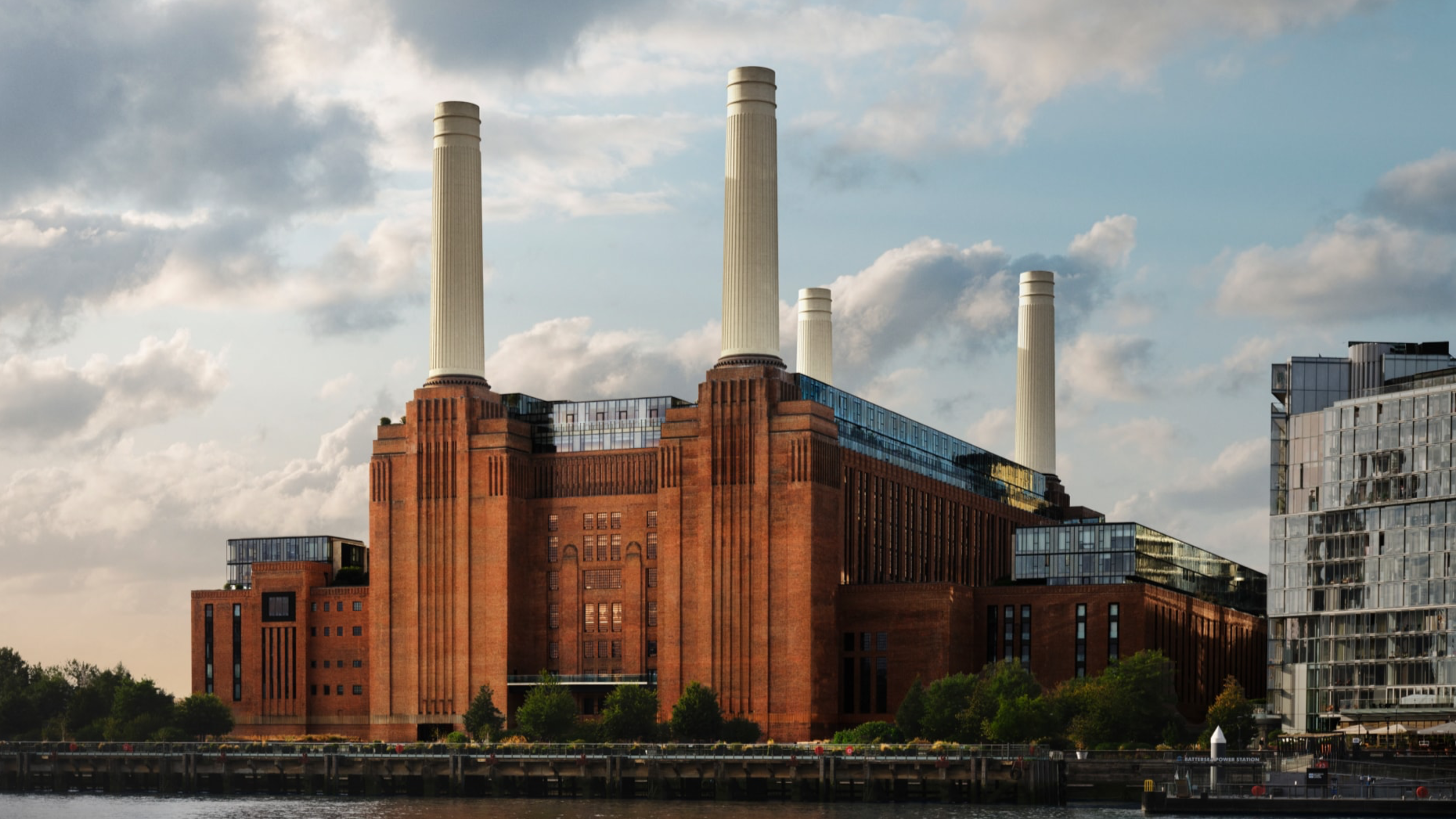
Apple today announced Apple Music Hall, a new live music venue inside London's iconic Art Deco Battersea Power Station. But why has Apple opened a live music venue, and why in a former coal-powered power station?
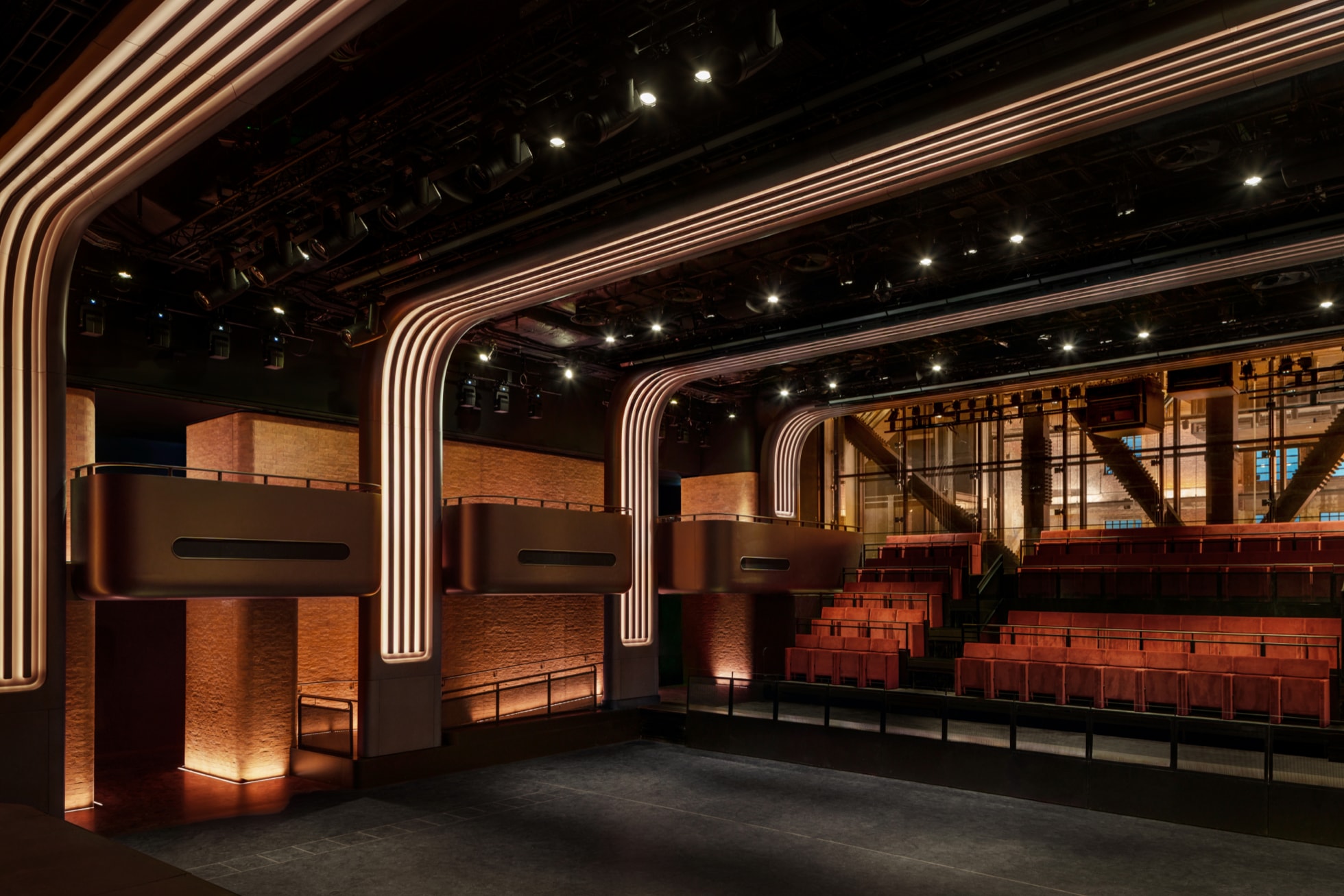
Apple Music Hall is a 600-capacity venue, with a 48-speaker spatial sound system which Apple says creates an immersive environment for listeners.
The venue also incorporates hardwired cameras and a live broadcast control room, that allows an artist to perform an "intimate live show for fans" and leave "with a finished Spatial Audio recording, a broadcast-ready mix, and multicamera video."
Apple says performances they host at Apple Music Hall will be broadcast live globally. The music venues website, says they will open on Monday, 28th September.
Apple's deep history with music

Apple has a long history with music, from their music streaming service Apple Music, to the launch of the iPod in 2001.
In 2007, the company began hosting 'The iTunes Festival' in Camden Town, London each year up until 2017. Nine years later, the company is launching a new live music initiative in the UK capital.
The iTunes Festival was free to access based on a prize draw, but it is unclear how Apple will manage tickets for Apple Music Hall. Their website says you can sign up for on-sale announcements, suggesting tickets will be paid for.
Connection to Battersea Power Station
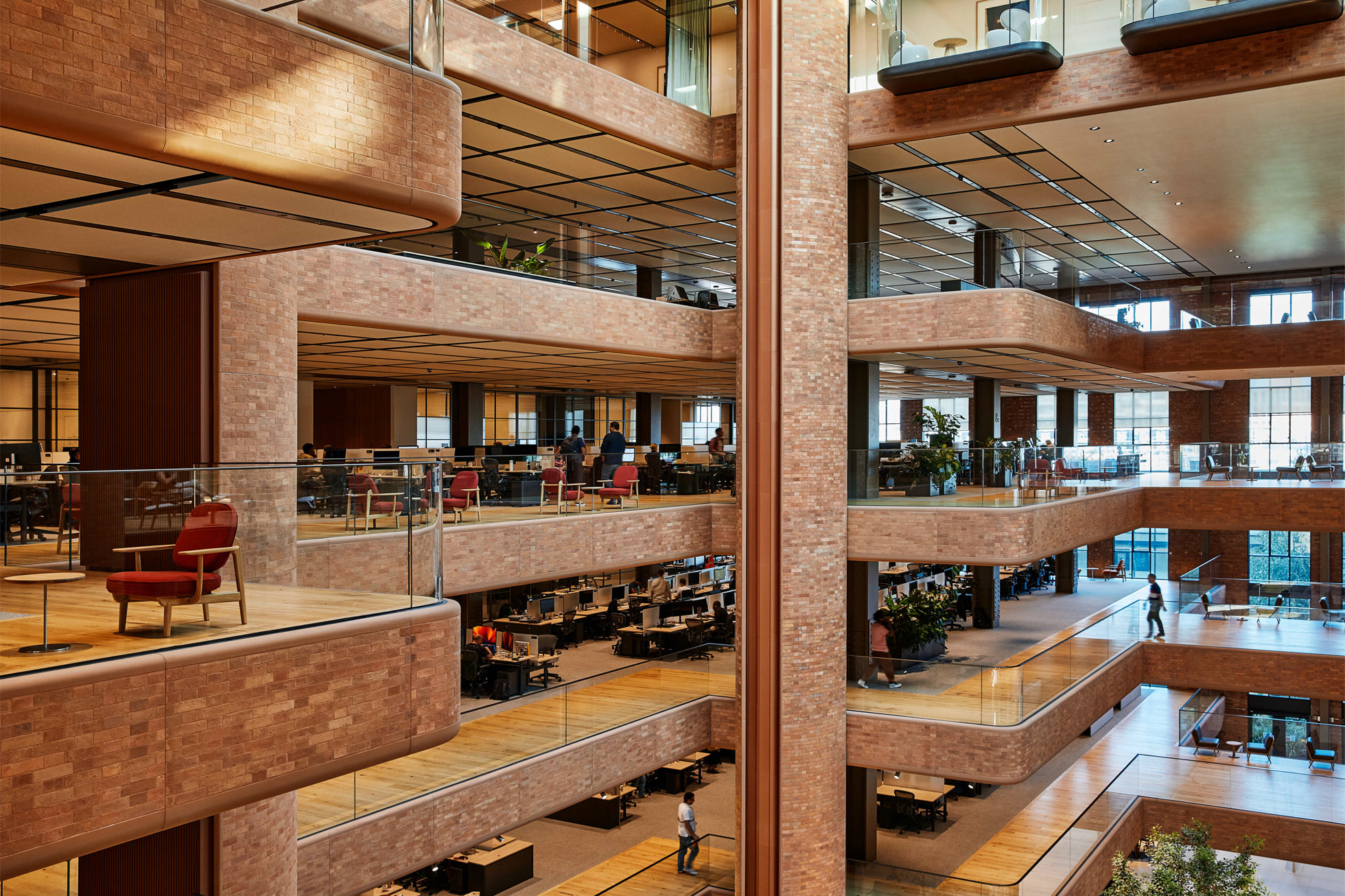
Apple opened its UK headquarters in Battersea Power Station in 2023, following their announcement in 2016 that they planned to move all London teams to one office space.
The company also opened Apple Battersea in June 2023 within the Power Station's historic Turbine Hall A. This hall comprises of a shopping centre with over 150 units from major brands such as Adidas, Nando's and M&S.
Each year, Apple projects a light show onto the iconic towers of the power station, to celebrate Christmas and as an opportunity to showcase drawing on iPad.
Battersea Power Station History
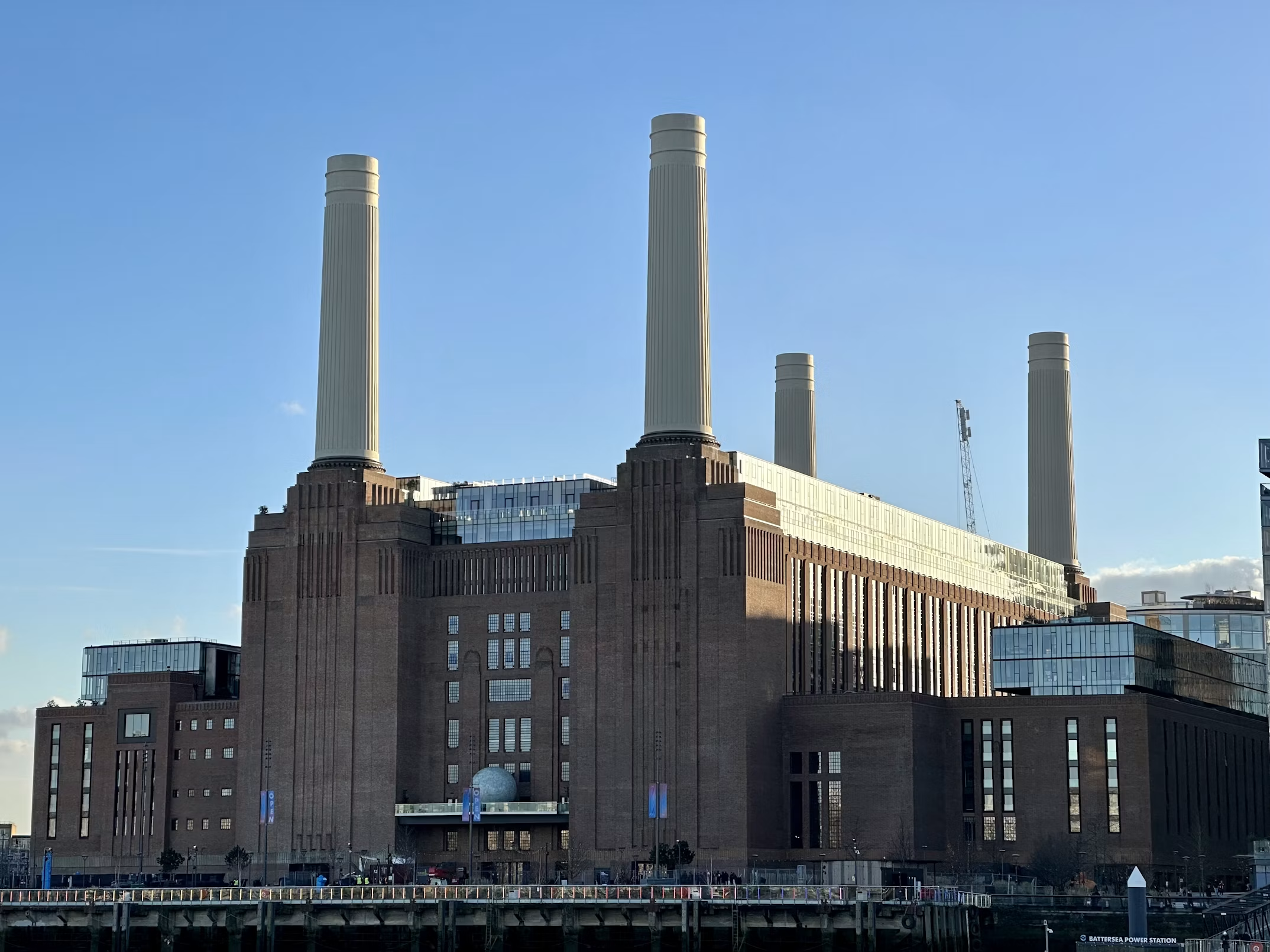
Construction of Battersea Power Station began in 1929, and it began to generate electricity for London in the early 1930s. The building incorporates Art Deco interior designs and fittings. At its height, the station supplied up to a fifth of London's power, including Buckingham Palace and the Palace of Westminster.
The site was ultimately decommissioned as a coal power station in 1983, reopening in 2022 as a shopping centre and later as headquarters for Apple in the UK.
Apple's Connection With Historic Buildings
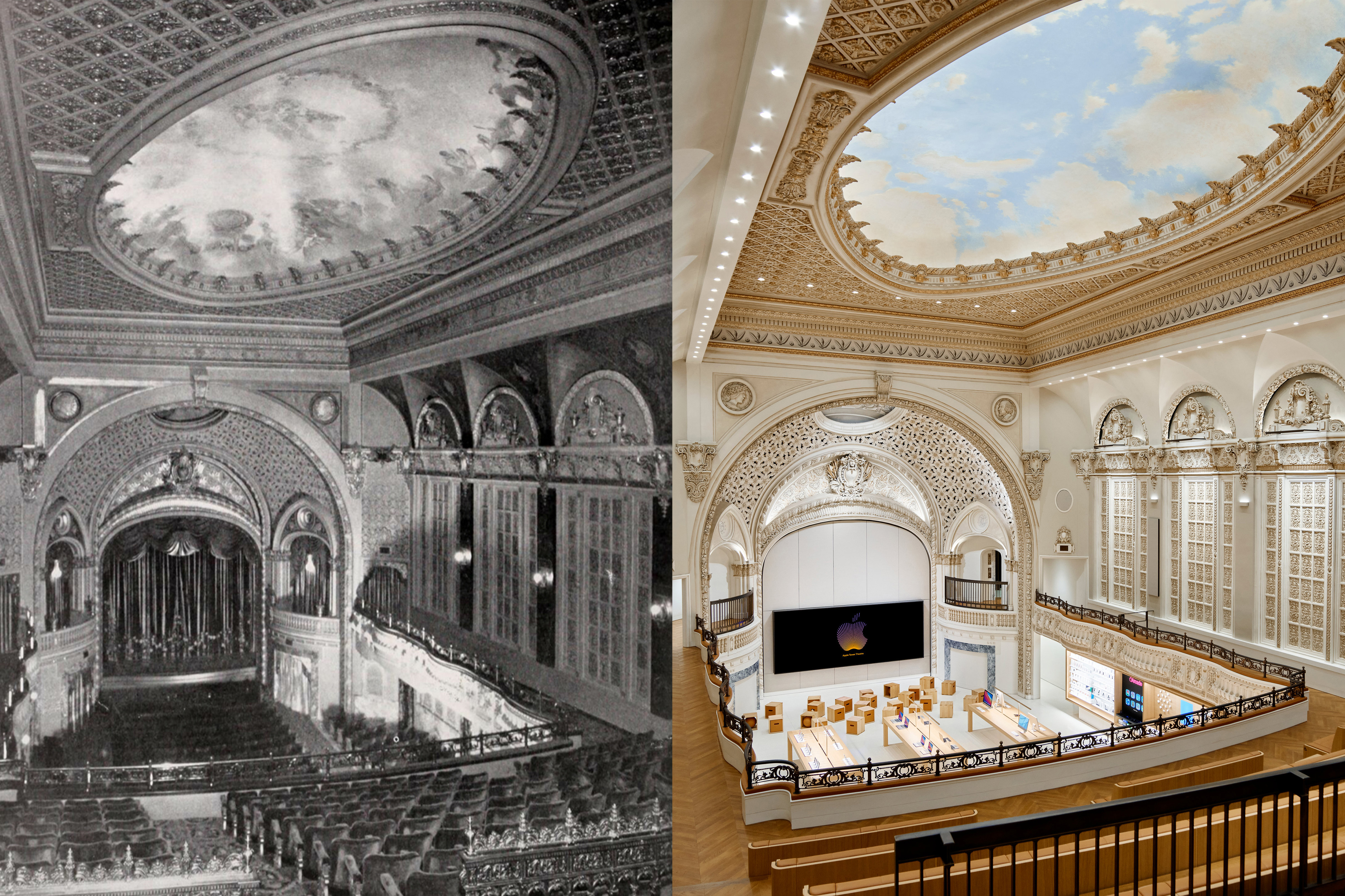
Despite the company's futuristic headquarters in California, Apple has a history of preserving historic buildings with its Apple Retail locations.
In 2021, Apple opened a new retail store in the 1920s Art Deco Tower Theatre, Los Angeles.
The project was described as Apple's "biggest renovation project to date", with the company preserving many elements of the old theatre, such as the stained-glass windows and exterior appearance.
Tower Theatre isn't the only historic building Apple has repurposed for its retail operations.
In Washington DC, Apple restored the historic Carnegie Library, which originally opened in 1903, transforming it into an Apple Store while retaining many of the building's historic features.
Apple has taken a similar approach in London. Its Covent Garden store occupies historic buildings dating back to the 19th century, with Apple retaining elements of the existing architecture.
Apple is continuing this approach with Apple Music Hall, where they say the venue has incorporated the "heritage brickwork, fluted arches, and bronze balconies" of the historic Art Deco style building.