In a new interview with the Wall Street Journal (WSJ), Apple's Vice President of Health and Fitness admitted that the Health app on iPhone and iPad is not as good as it's competitors apps, a rare instance of an Apple Executive publicly accepting that the competitors offering is the better product.
The Apple VP, Dr. Sumbul Desai, was asked if she was aware that the Health app was not as good at providing data to the user, compared to other offerings:
Interviewer: "One of the cons has always been, the Health app is not as good, a lot of numbers, not a lot to do with those numbers - have you heard that feedback?"
Dr. Sumbul Desai: "Ohh yeah, we have that feedback ourselves, you know the origin story of the Health app was actually never to be an experience, it was actually a repository for HealthKit data,"
Desai highlighted how the intended use of Health, which launched in 2014, was for developers using the HealthKit API. The company had initially intended for the app to be a repository which developers can tap into and build the experience for the user.
However, following the launch of the Apple Watch a year later, with continued health tracking advancements over a decade later, the app has become a confusing library of health trends, scores, questionnaires and niche data - such as your walking asymmetry.
So why admit now, over a decade later?
Health App Overhaul
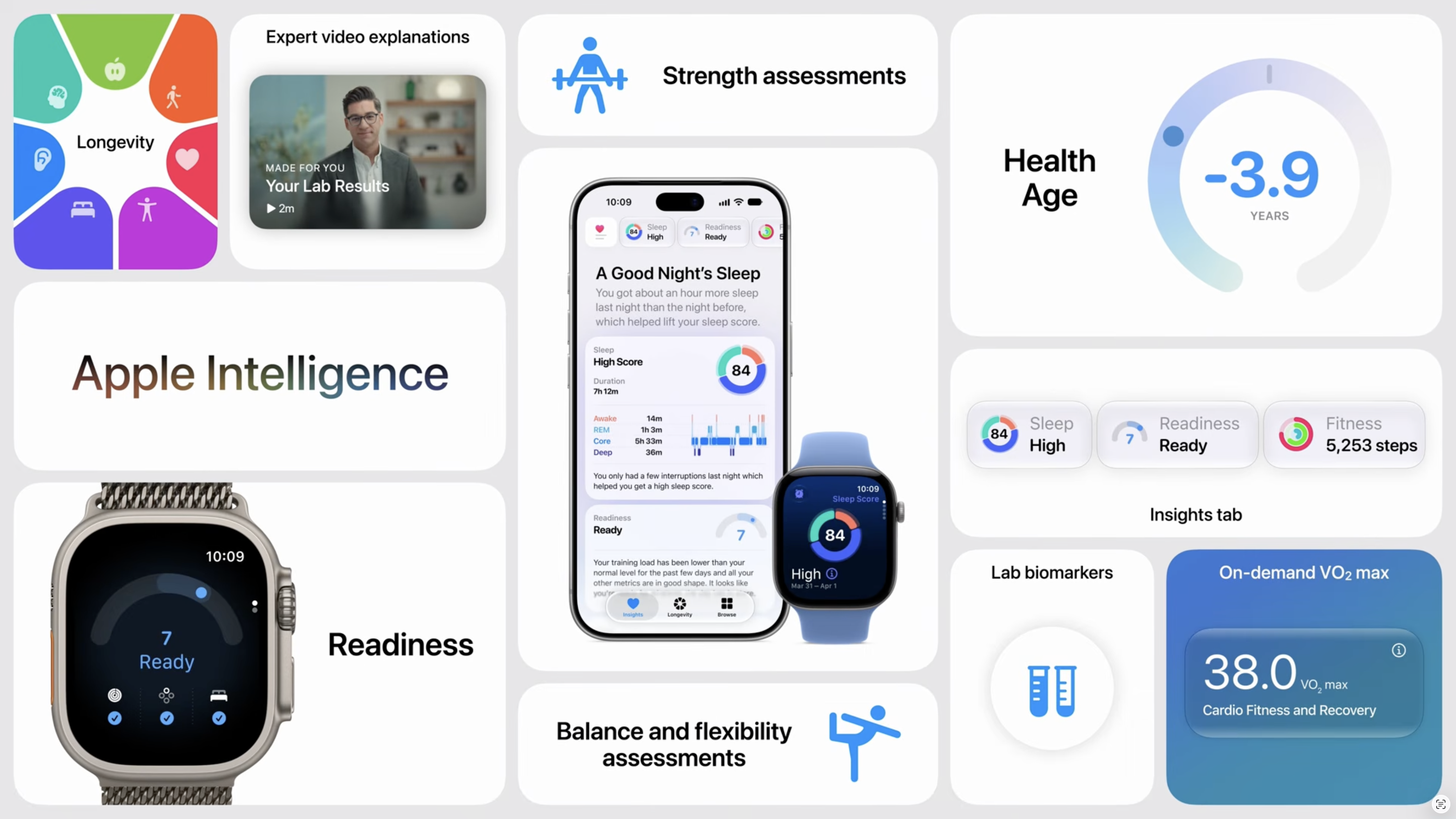
The interview comes just days following the Apple Event, where the company made advancements in health tracking with the Apple Watch Series 12 and Ultra 4. During the keynote, Apple also announced a complete overhaul to the Health app, that has been rebuilt to provide advice and guidance on how to improve, with Apple Intelligence.
Personalised Recommendations
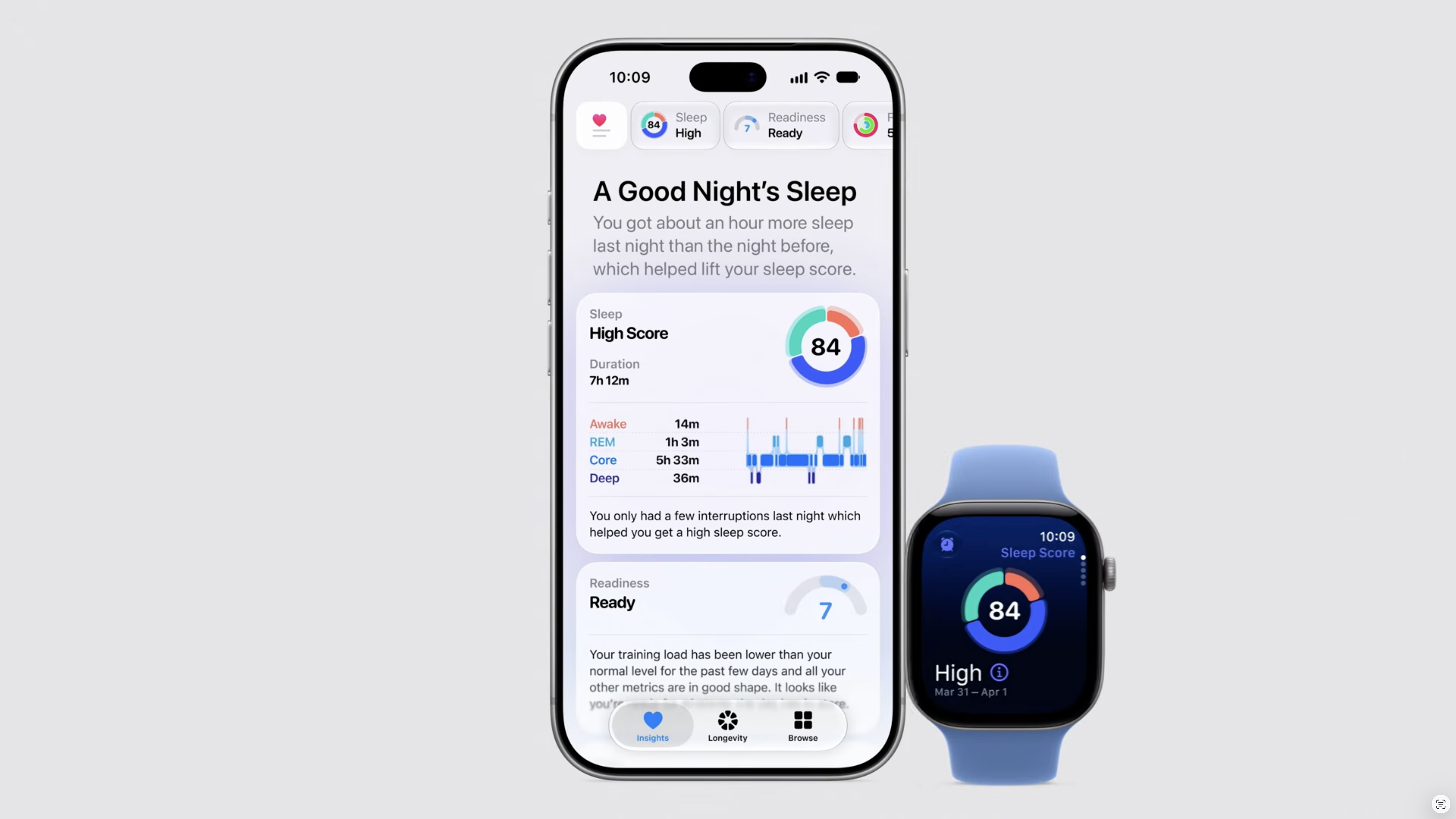
The company demonstrated the new 'Insights' tab that surfaces details most relevant to you, including your vitals, sleep score and readiness for the day ahead.
Across the new app, Apple Intelligence will recommend changes you can make "based on your health". The system uses your health and fitness data, so someone who records many running workouts may get recommendations based on those sessions.
Health Age
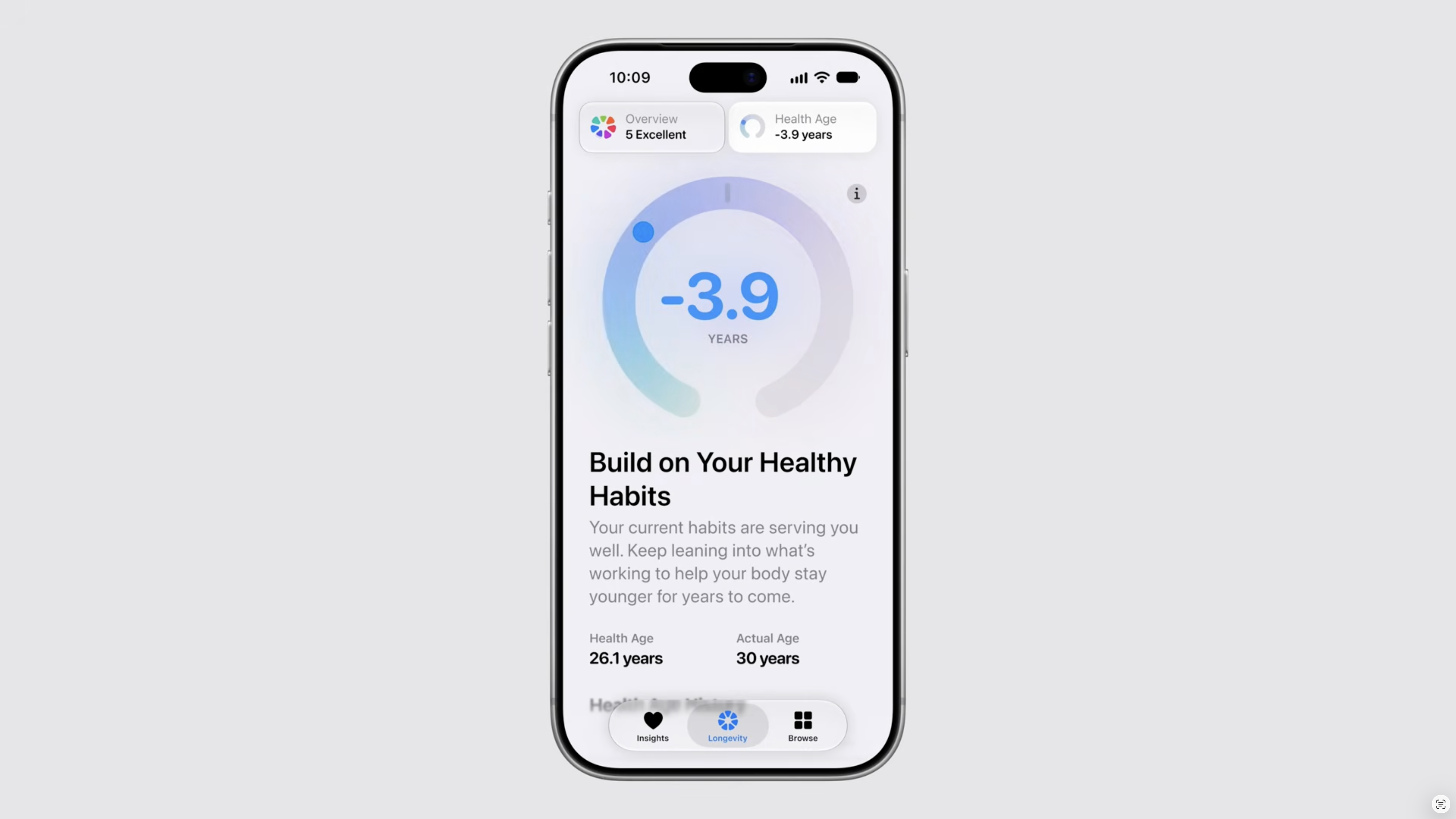
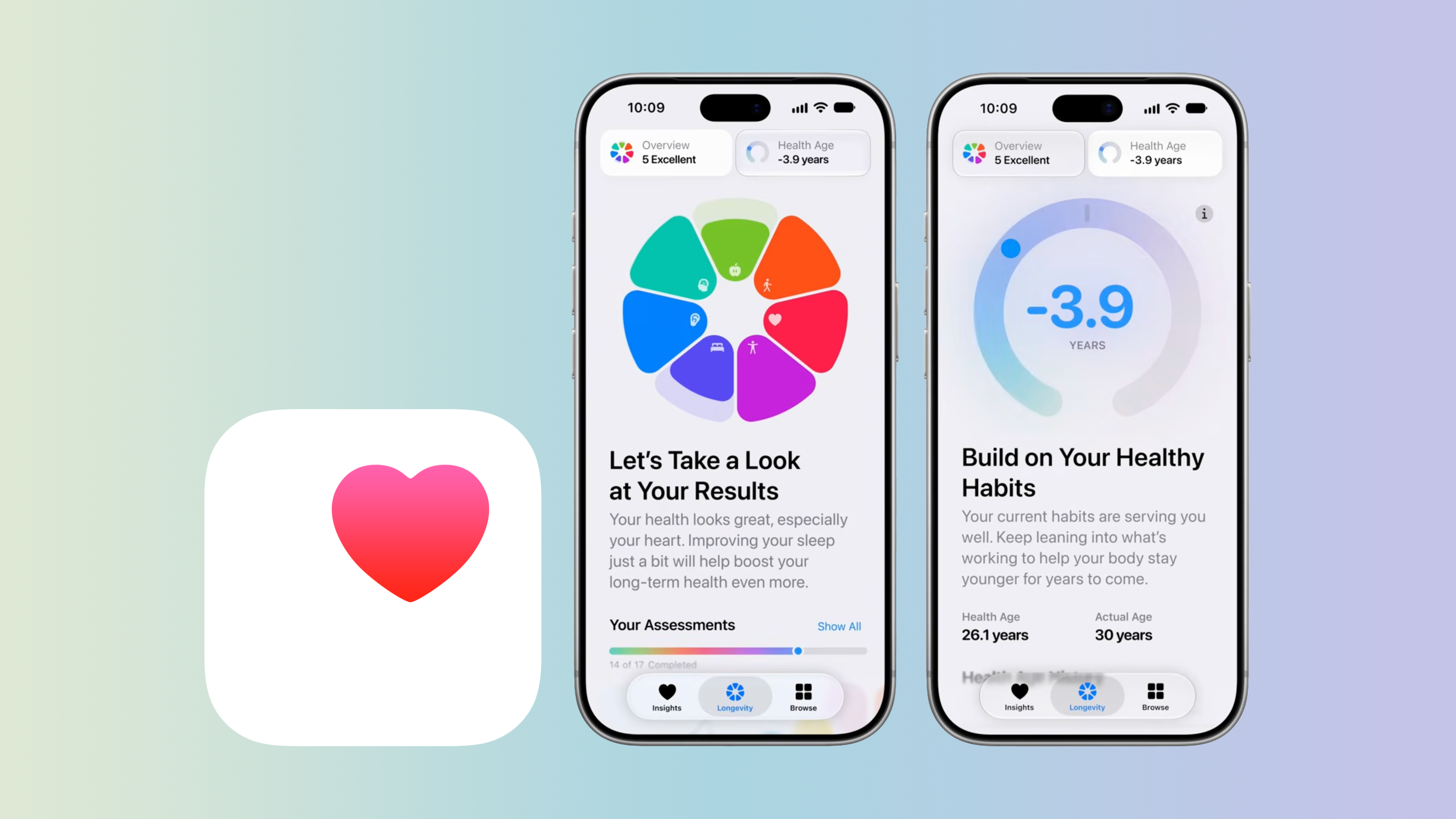
Apple introduced Health Age, an all-new metric that compares your actual age against your health data. The Health app also stores a historical graph of your health age, so you can see the changes over time.
Longevity
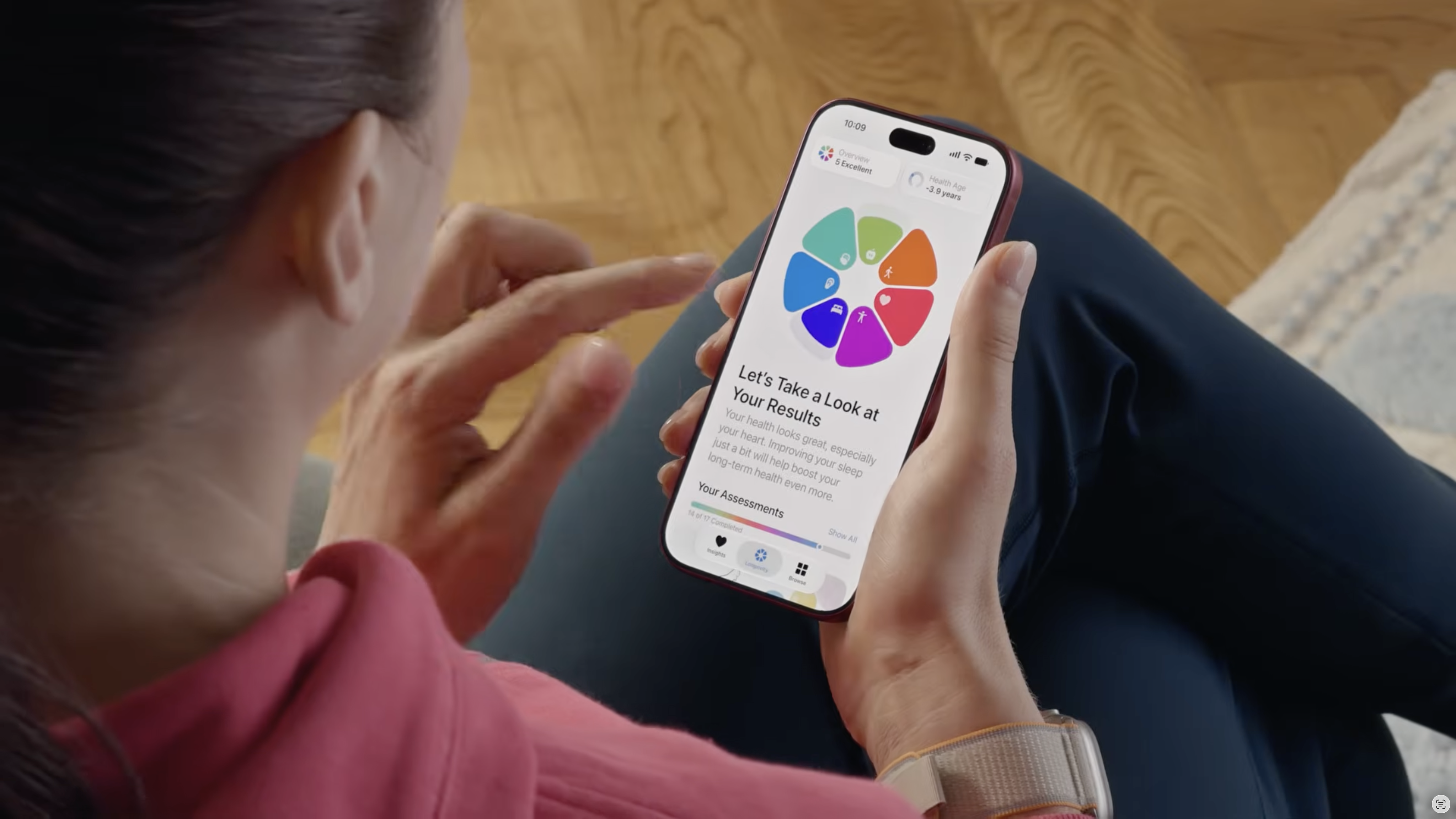
A new longevity tab has been designed to "assess your overall health" across seven key metrics. These include sleep, movement, heart health and what appears to be:
- Hearing Health
- Nutrition
- Mental Health
These appear in a circular graph, providing an easy and glanceable oversight of your health.
Apple has also added support to add any lab results you may have, and has built in support for Quest in the US, where users can order a $119 (£87.92) General Health Bundle.
Tests
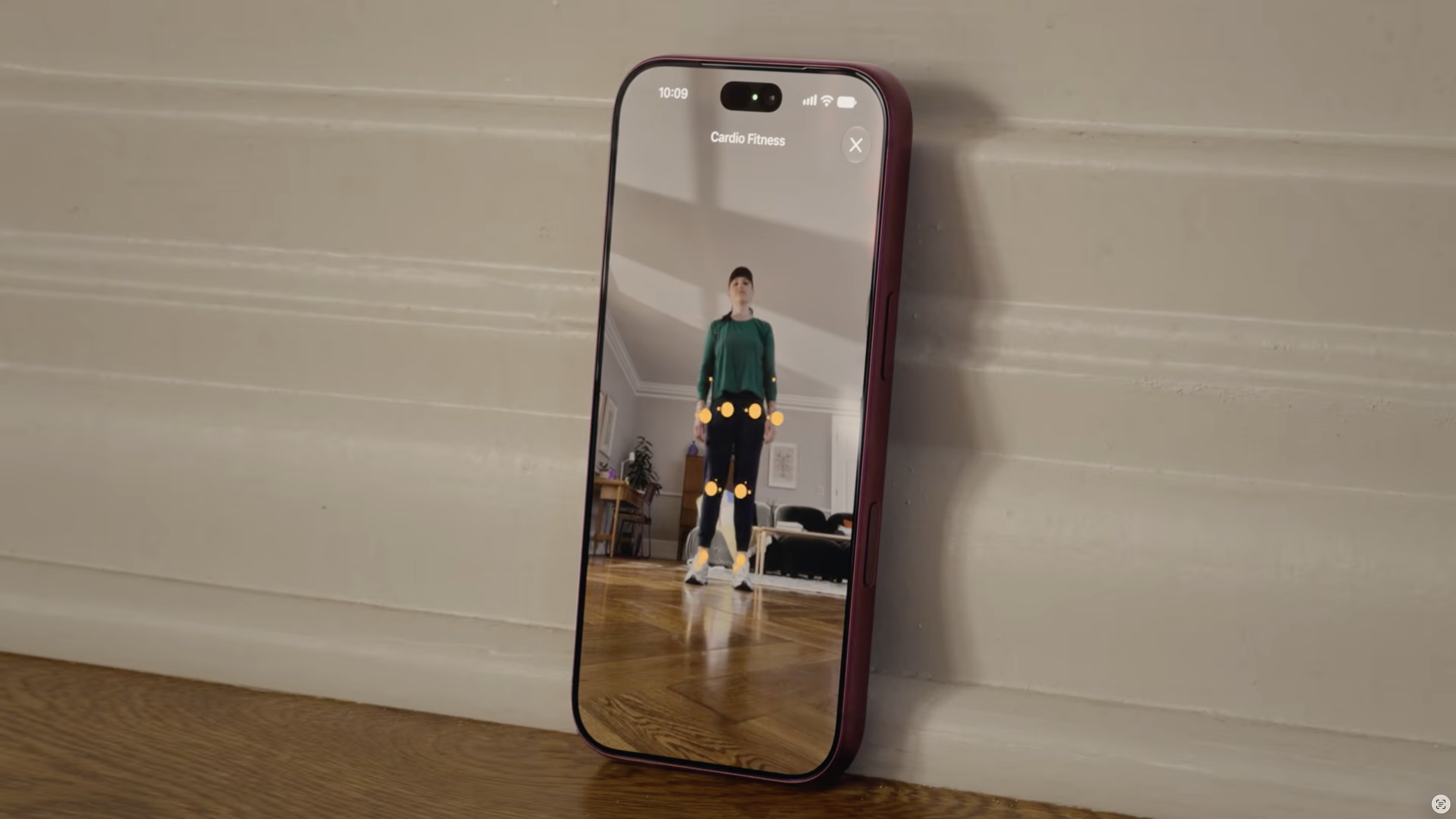
The overhauled app supports a range of simple tests users can complete at home using their iPhone. In Apple's keynote, they used a Vo2 max test as an example.
This consisted of the user placing their iPhone on the floor and centring themselves in frame with the front facing camera, that detects movements.
A video will then play on your iPhone of a trainer, who provides instructions on what to do.
Apple described this feature as:
"like having a coach right there with you."
Availability
The overhauled health App debuts later this year in US English and Apple says more languages will follow. Apple has already released the iOS 27 Release Candidate, with no signs of the new Health app.
We expect the overhaul to drop in a later update, such as iOS 27.1 or 27.2, rather than at initial release on Monday.
Final Thoughts
The Health app redesign is much needed, and will help Apple keep up with all the new health tracking wearables coming to the market in recent years, including the Oura ring, Whoop band and Fitbit Air by Google.
The overhaul could also prepare the company's software to enter this different market, with Bloomberg's Mark Gurman suggesting earlier this year that Apple was considering screen-less models, like the Whoop.
Though, when asked by the WSJ, Desai smirked and said:
"Nothing to talk about today, but we are always looking at ways to make more engaging products and we will always continue to do that."