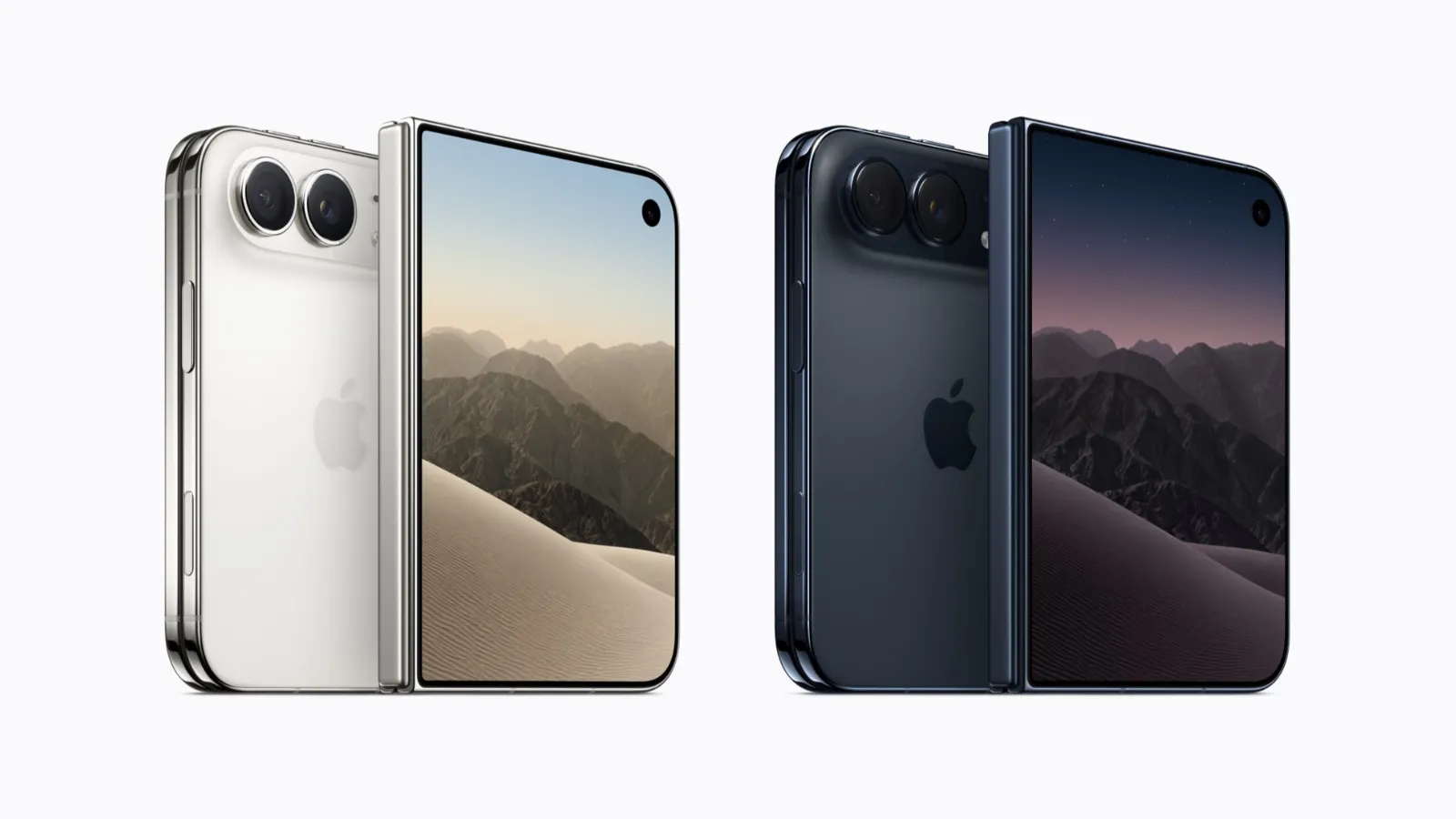
iPhone Duo has received a facial unlock feature one month after debuting with Touch ID, a compromise that led many to miss Face ID.
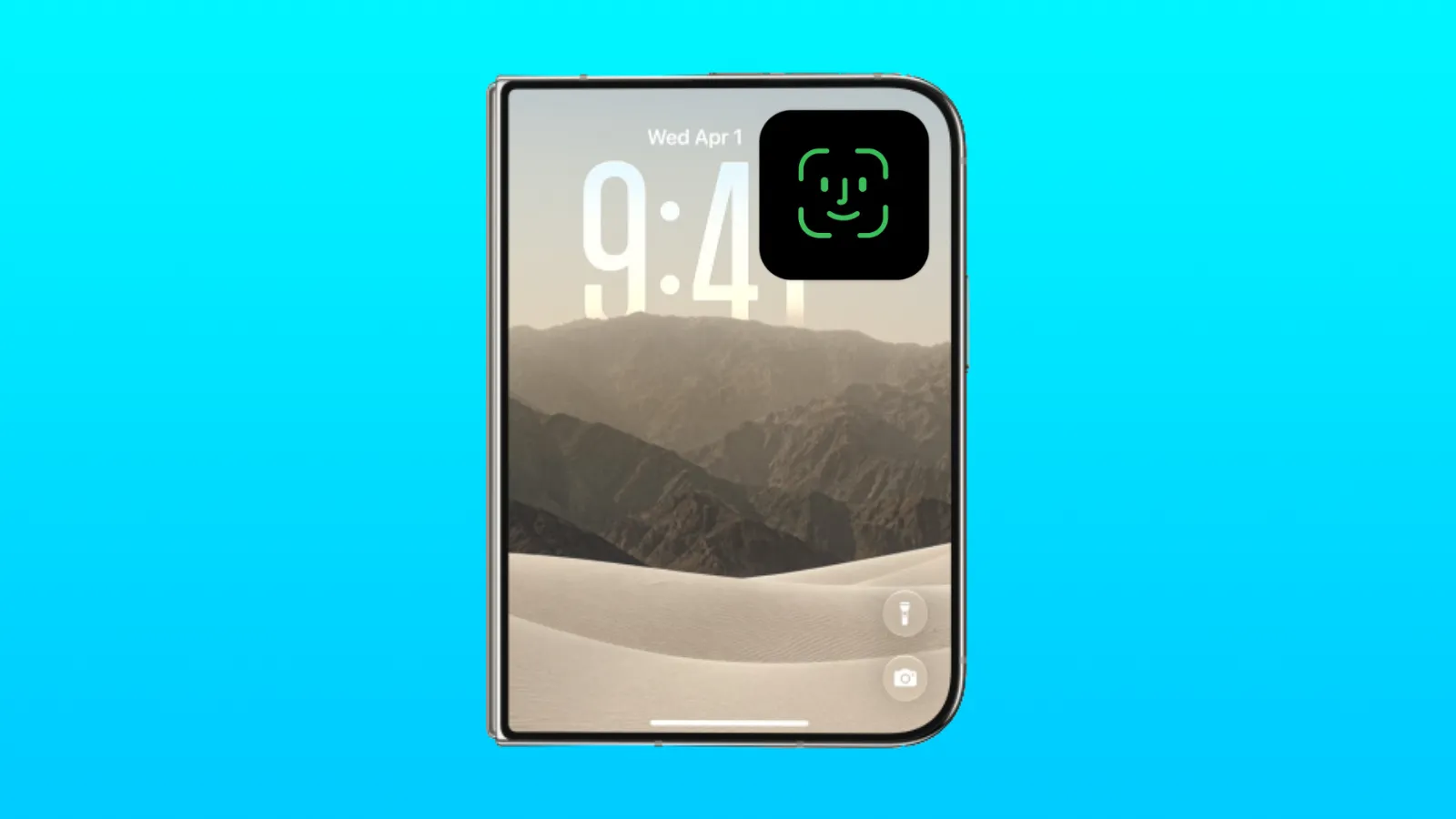
iPhone Duo users who miss Face ID from their older iPhone models are in luck as Apple has released a new face unlock feature in the latest iOS 27.3 Beta update.
Face unlock uses the front-facing selfie camera of iPhone Duo to recognise who is looking at the device to detect whether or not it is you using it. If the device detects it's you, you'll be able to swipe up your lock screen and get into your iPhone without having to use the Touch ID sensor on the side.
This will bring back the familiarity of other iPhone models, where you can get in without messing around with any fingerprint sensors on the side.
This feature will be available as part of iOS 27.3 which releases in December, as it is powered by the software rather than a built-in face sensor. This does mean it is not as secure as Face ID, as the technology is simply not there.
While Face ID uses infrared sensors to accurately detect if it is you, iPhone Duo will simply check if it looks like you through the front camera without any sensors. This means it could potentially be tricked with an image of you, something that cannot be done with Face ID.
Therefore, the face unlock feature is not available through services such as Apple Pay, which will help prevent someone potentially stealing your iPhone Duo and using a photo of you to spend your money.
Additionally, the feature will require you to authenticate with Touch ID occasionally, even from the lock screen, just to make sure it is really you trying to unlock the device.
This feature feels like the compromises of iPhone Duo are on full display. Apple clearly wanted the Duo to have Face ID, but struggled to fit it in the device. There are reports that the second generation next year could have Face ID, but this facial unlock feature enabled through the software will have to do for now.
It appears very similar to the facial recognition found on the Apple HomeView, which is used to detect who is in front of the shared device to show personalised and private content, such as messages, FaceTime calls and music accounts.
Face unlock provides a middle ground between Touch ID and the lack of Face ID, but don't expect your iPhone Duo to work fully on facial recognition when you install iOS 27.3 next month.