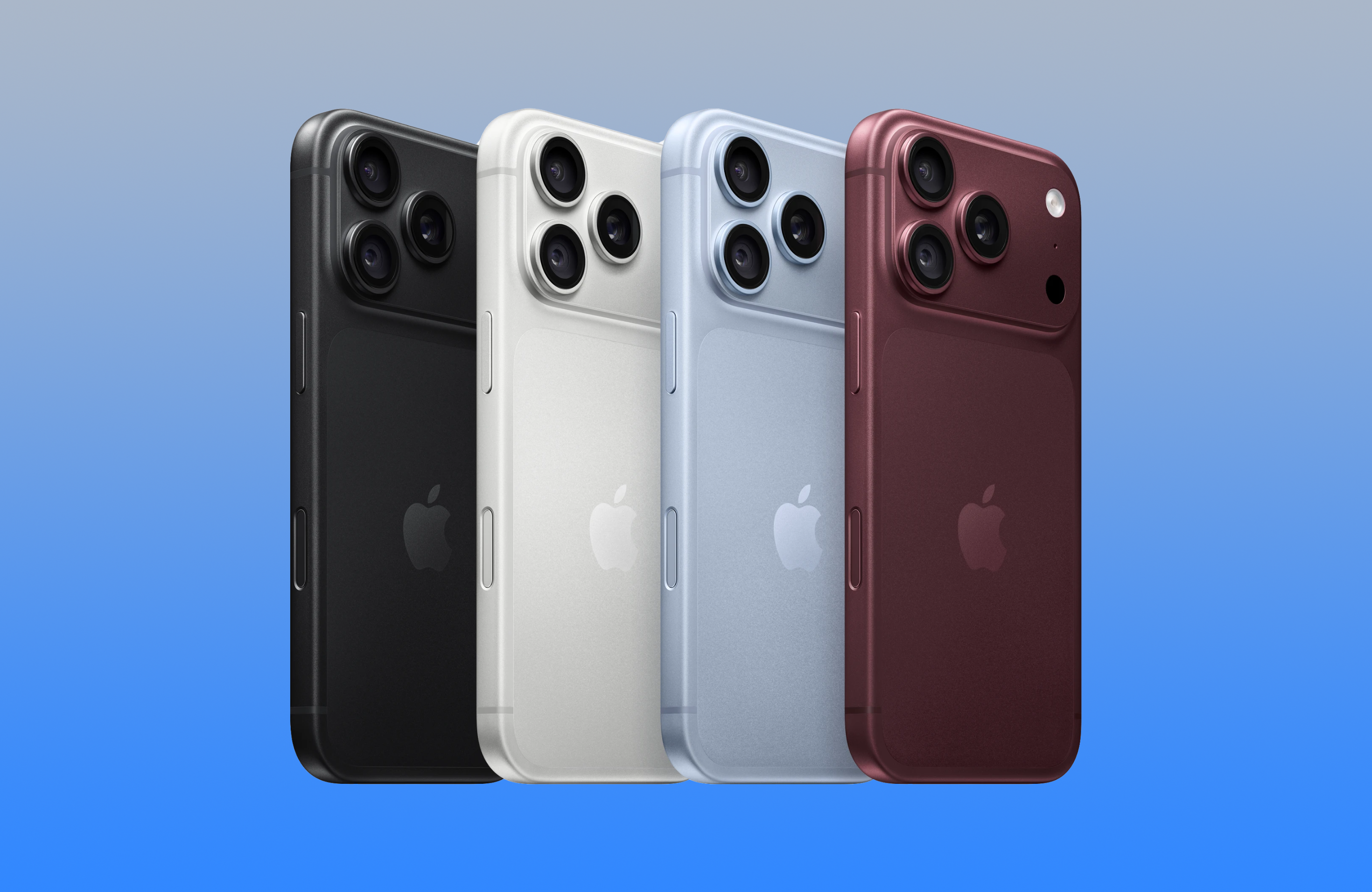
As usual, Apple's annual September event brought new iPhone models, introducing iPhone Duo, iPhone 18 Pro and iPhone 18 Pro Max. However, the company broke a long-standing tradition by skipping the base model iPhone for the first time since 2018.
Apple has been steady with iPhone launches since the iPhone 11 in 2019, releasing the mainstream consumer iPhone each year up until the iPhone 17 in 2025.
This year, it was just Apple's high-end flagships, with the cheapest iPhone available from the Apple Event priced at £1,199.
The last time Apple skipped the base model iPhone at its autumn event was in 2018, when they launched their flagship iPhone XS and XS Max starting from £999. Alongside this device, they launched their 'budget-flagship' iPhone XR, priced at £749 with thicker bezels and an LCD display.
In 2018, they at least launched a more affordable device, so why skip the iPhone 18 this year?
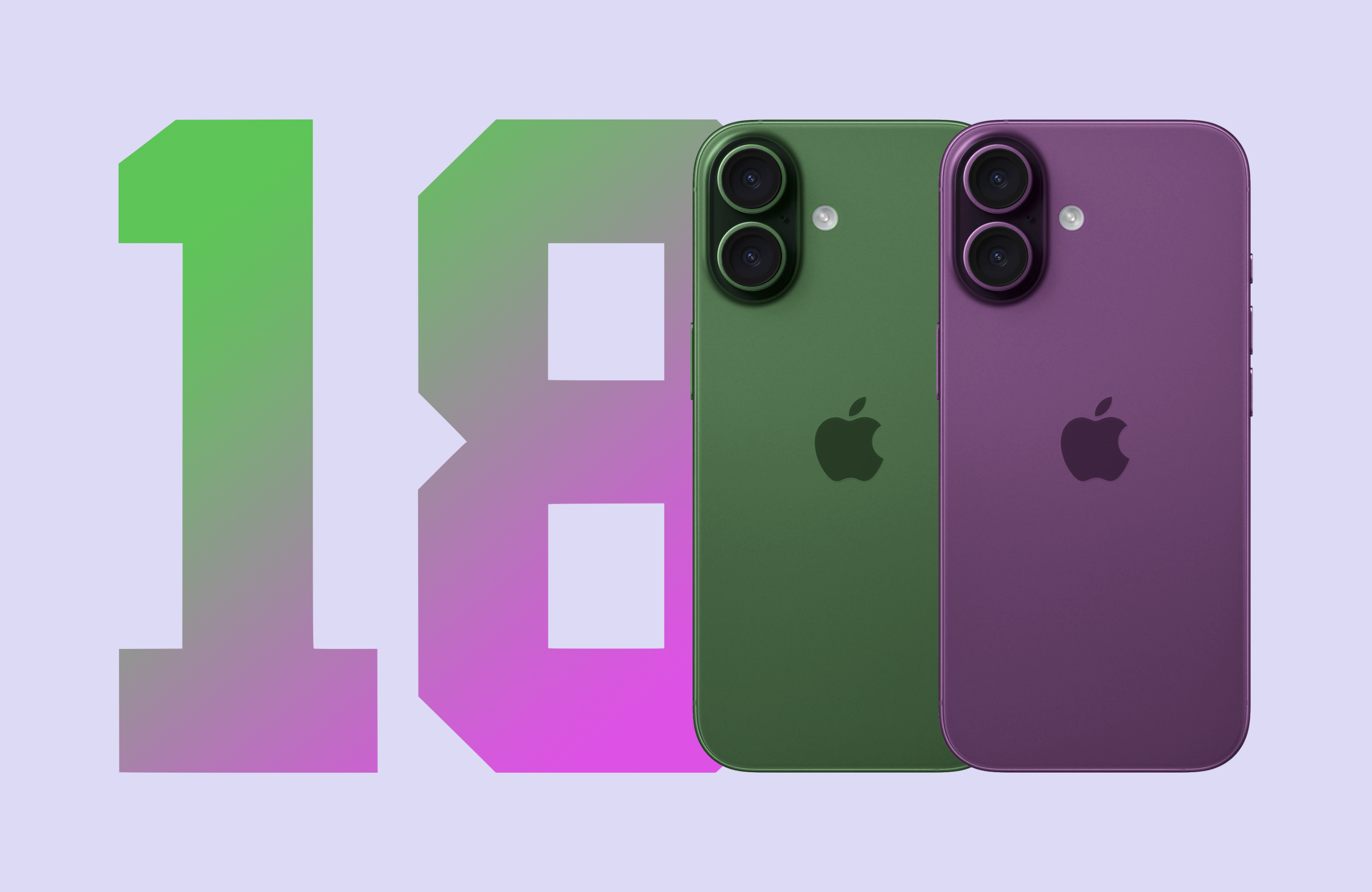
Apple is planning a split launch, with iPhone 18e, iPhone 18 and iPhone Air 2 set for release in February or March 2027. Here's a few reasons why this change might be taking place:
Expanded Lineup
Apple offers a wider range of iPhone's today compared to previous years. The current lineup includes:
- A foldable phone, iPhone Duo
- A large screen phone, iPhone 18 Pro Max
- A camera focused powerful phone, iPhone 18 Pro
- A thin, light and design focused phone, iPhone Air
- The mainstream consumer device, iPhone 17
- The entry-level device, iPhone 17e
- A cheaper, previous generation phone, iPhone 16
If they were to follow their usual cycle, Apple could have ended up announcing five different iPhone models during one keynote, which would have been overwhelming, lengthened the keynote and potentially confuse customers on which one to buy.
By offering three models in September, then another three in spring, the company can target each audience and concentrate the focus on just a couple new devices at once.
Supply Chain Pressure
With the current memory chip crisis, pushing up prices and leading to shortages, Apple may have had to optimise its supply chain with fewer models at once.
If Apple had announced five new iPhone models, the company would have had to prepare millions more iPhone models for pre-order, which they could struggle with.
We have already seen Mac orders pushed back by months, with the company choosing to prioritise some models over others.
The choice to skip the base model iPhone is the sensible choice, as the current iPhone 17 is the world's best-selling phone, according to Counterpoint Research. A spring launch gives Apple chance to prepare for the inevitable high demand for iPhone 18.
Releasing the high-end Pro models first also gives Apple a competitive advantage, by pushing out their best features sooner.
Revenue Spread
iPhone as a product category is Apple's best performing financially, making over $50 billion in revenue during Q3 2026, a quarter which saw no new iPhone models launch.
In Q1 2026, the quarter that covered the previous iPhone 17 September launch, the iPhone made a record-breaking $85 billion in revenue - $35 billion more than Q3.
Apple may be able to spread their revenue out across each quarter, by launching three iPhone models in Q4 and then another three in Q2.
Final Thoughts
iPhone 18 is expected to be coming in about 6 months’ time, alongside a refreshed iPhone 18e and iPhone Air 2.
It may be more expensive, starting at £899, as Apple hiked the price of iPhone 17 from £799 to £899 following this week’s September Event.
So, if you're looking at the current £1,199 iPhone 18 Pro, or considering the iPhone 17 - hold off for a few more months, for the iPhone 18.