On Apple's final quarterly earnings call for the fiscal year 2026, Apple CEO John Ternus revealed that the Mac has had its best-ever year, setting the record for most Mac units sold in a single year.
It's not hard to see why. Apple has released eight new Mac models this year, lowered the barrier to entry with the MacBook Neo, whilst simultaneously raising Mac prices across the board which has more than likely helped boost revenue.
So, here's how Apple achieved its best-ever year for the Mac.
MacBook Neo & Education
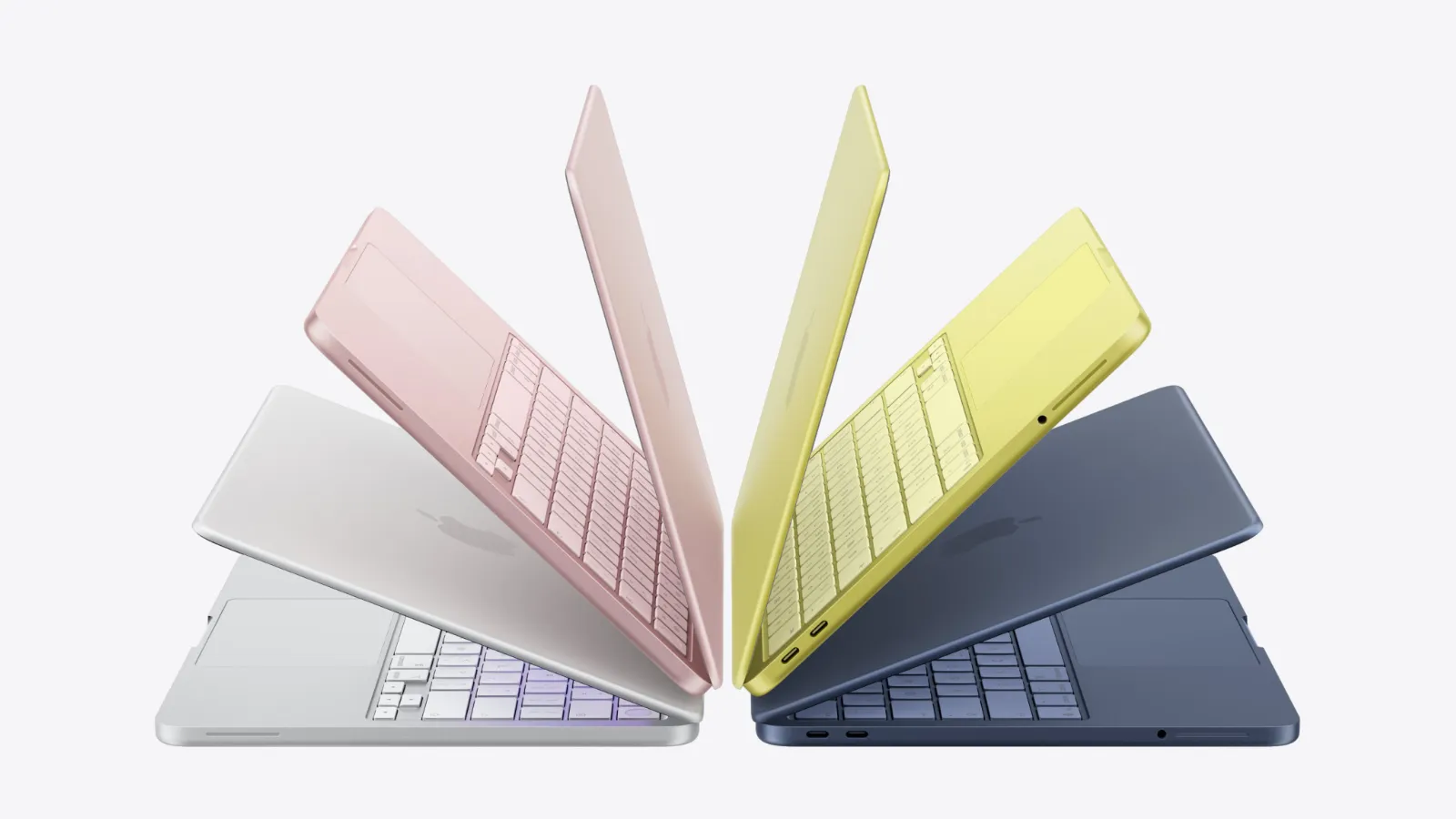
In March, Apple released the all-new MacBook Neo, a new type of Mac laptop designed primarily for students as Apple tries to compete with the lower end market currently crowded by Chromebooks and Windows PCs.
The device features the same aluminium build quality of a MacBook, with a Retina display, Magic Keyboard and of course the now iconic colours including Citrus, Indigo and Blush.
This was a high-demand Mac, retailing for just £599 or £499 with student discount. This was a massive reduction compared to the previous entry-level MacBook, which started from £999, or £899 for students.
The launch of MacBook Neo was a clear success, with then-CEO Tim Cook celebrating Apple's best-ever launch for first-time Mac buyers:
Mac just had its best launch week ever for first-time Mac customers. We love seeing the enthusiasm!
Not only did MacBook Neo make the Mac more accessible to more people, it also gave Apple an opportunity to obtain large-scale education deals with school systems across the world.
In the US, many school districts have switched from Chromebooks and Windows to Mac, including Kansas City Public Schools which announced in May that they had already deployed over 4,500 MacBook Neo units for students.
In August, Yahoo Finance reported that one of Florida’s largest school districts had begun switching 25,000 students from Windows devices to the MacBook Neo.
Just this week, in Apple's Q4 earnings call, John Ternus revealed an international deal with the Department of Education in the Philippines, where Apple has deployed 170,000 MacBook Neo units for students, teachers and staff.
These education deals would have helped drive record Mac sales across the year.
Full Mac Lineup Refresh
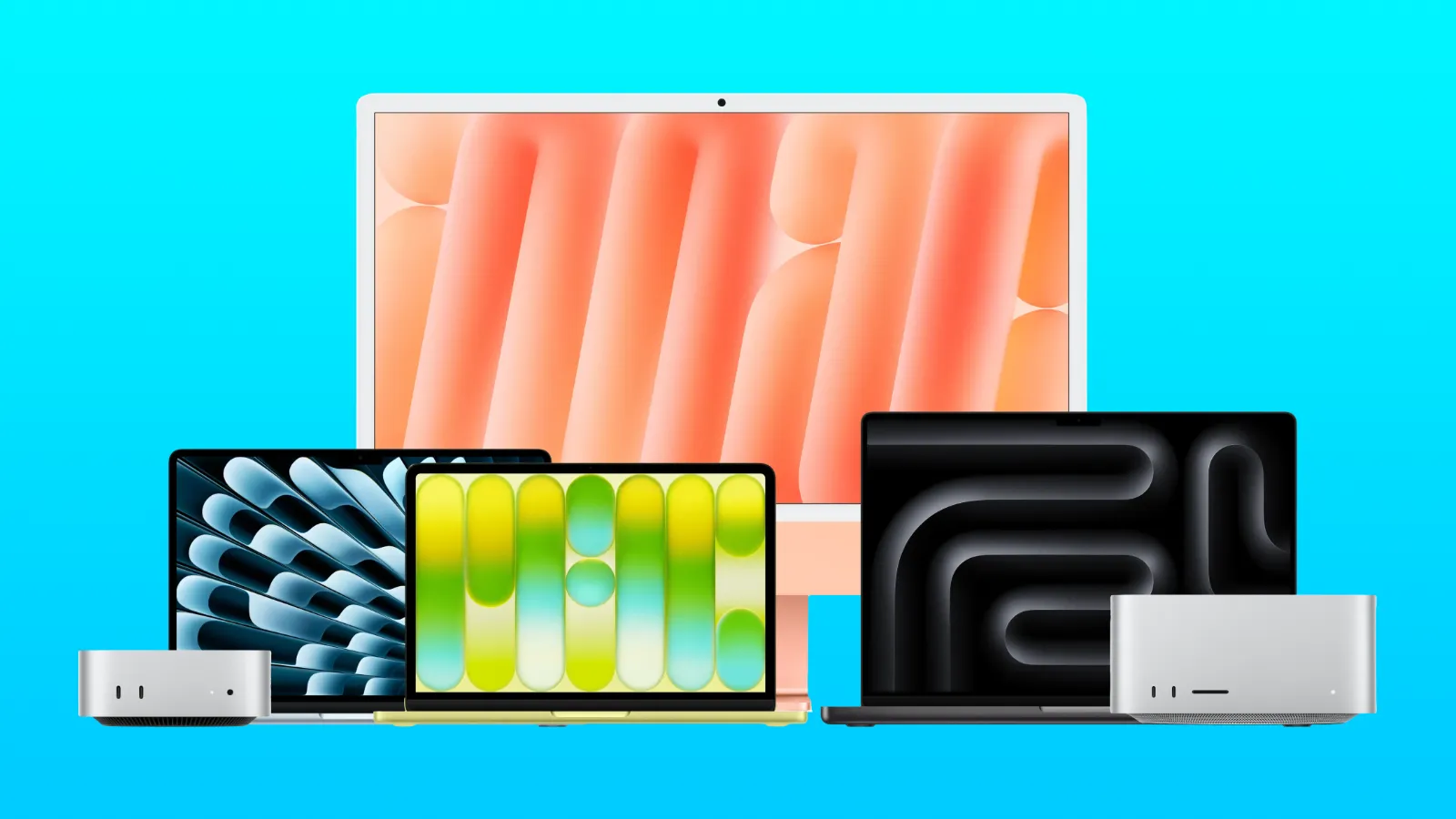
Every single Mac has been refreshed this year, with Apple rethinking the entry-level (as we discussed above), in addition to the top end of the lineup. In March, Apple quietly discontinued the Mac Pro which was due to mark its 20th anniversary just a few months later in August. This marked the end of the expandable Mac, as this was the only model with PCIe expansion ports for additional RAM and storage.
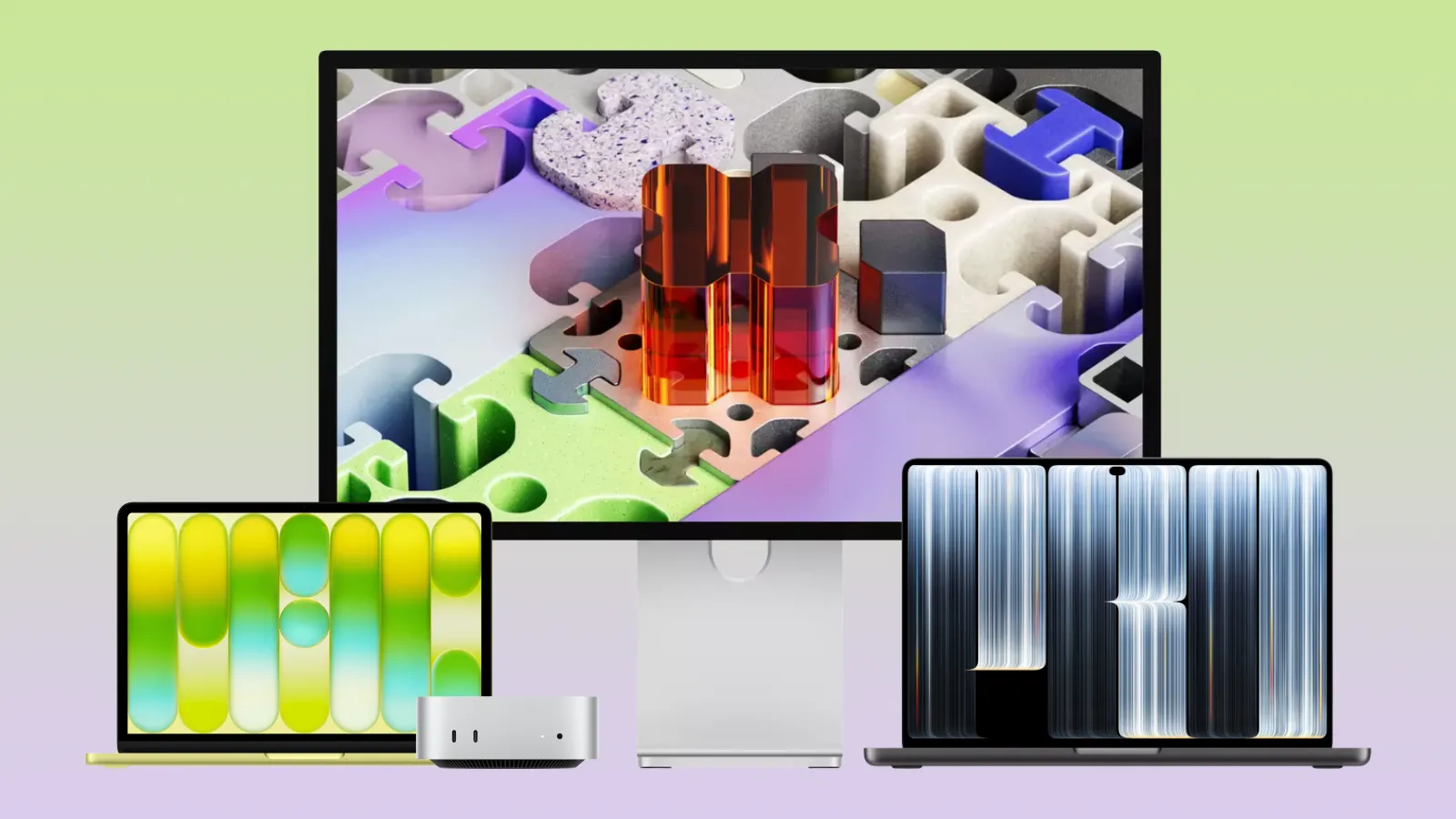
Alongside the MacBook Neo which debuted in March, Apple introduced refreshed MacBook Air and MacBook Pro models providing Apple users with a fully refreshed laptop lineup to choose from.
These made their debut alongside a refreshed Studio Display, which received its first-ever update since introduction four years ago. Apple also took the opportunity to discontinue the £4,000+ Pro Display XDR to offer a Studio Display XDR, which has a better mini-LED ProMotion display in the same chassis as the Studio Display.
Fast forward to August, Apple announced the new Mac mini and Mac Studio and debuted two new chips with these devices; the base M6 chip and the most powerful chip ever from Apple, M5 Ultra.
These products have been in high demand the past year as users have been buying these desktop Macs for AI workflows and server racks.
In October, Apple refreshed its final two Mac models yet to receive an update this year. The base model 14-inch MacBook Pro and iMac both got simple chip refreshes with improved performance, faster connectivity and better SSD speeds.
The touchscreen MacBook Pro followed, featuring a slimmer, lighter chassis, a Tandem OLED display, Dynamic Island and of course - a touch display. This is the first time since the Mac launched in 1984 that it has had a touchscreen, and is the first external redesign of the MacBook Pro in five years.
With all of these new devices, it has been a big year for existing Mac users upgrading their computers as well as for first-time Mac buyers, especially with the new MacBook Neo.
Price Hikes
As memory prices continue to rise across the industry, Apple has continued to raise Mac prices across 2026. MacBook Neo, which launched in March for £599, now starts from £699. A MacBook Air now sets you back £1,299 and the Mac mini, which was praised for its low £599 price in 2024, now starts from £899.
Here's how prices have changed over the year since January:
- MacBook Neo - £599* now £699
- MacBook Air - £999 now £1,299
- MacBook Pro - £1,599 now £1,999
- Mac mini - £599 now £899
- Mac Studio - £2,099 now £2,499
- iMac - £1,299 now £1,499
*MacBook Neo price is since March, when it was introduced.
This doesn't seem to have put off customers too much as Apple reported the most units ever sold in a fiscal year. This could have been boosted by the first few months of the MacBook Neo starting from £599, but even at todays £699 price it is still £300 lower than the entry point to the MacBook lineup in 2025.
Additionally, as companies are buying multiple units of Mac mini and Mac Studio for their AI workflows, these products have seen a boost in sales even at the substantially higher price.
Final Thoughts
If you dive deeper into Apple's year of Mac releases, it becomes clear the record-breaking results could be down to a fully refreshed Mac lineup, higher prices and increased demand from commercial buyers who have bigger budgets than the usual consumer.
Additionally, despite the memory crisis which has pushed up prices across the computing industry, Apple has never offered a MacBook as cheap as the £699 MacBook Neo.
Apple seems to have strategically positioned themselves where they can offer consumers the cheapest MacBook ever, whilst raising prices on higher-end devices that are less likely to make a pro customer reconsider.
2026 has truly been the year of the Mac for Apple, consumers, professionals and of course company shareholders.