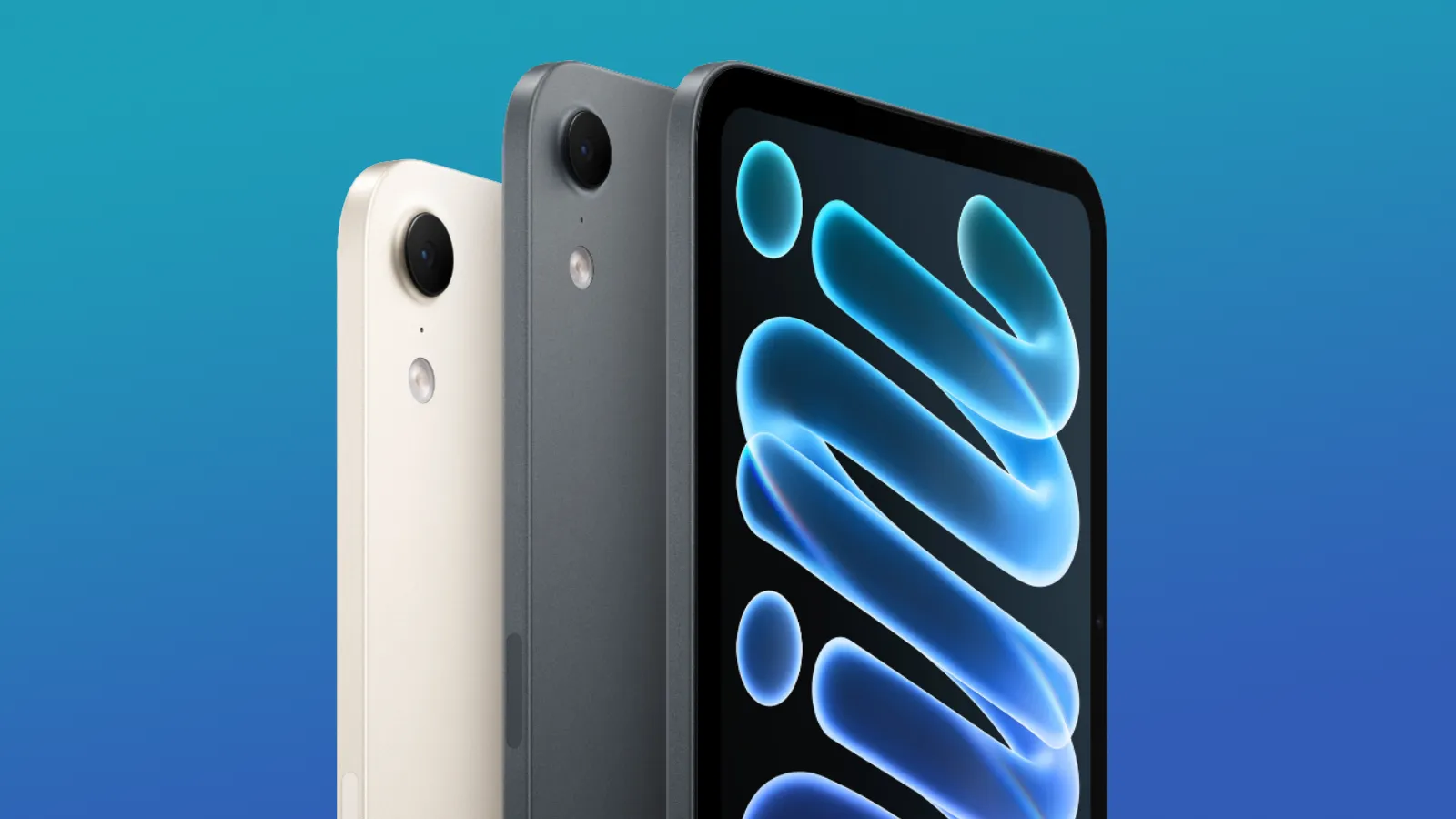
Apple's new iPad mini, featuring a slimmer, smaller chassis, an OLED display and powered by the A20 Pro chip is my dream iPad. Yes, it still uses a 60Hz display, yes it still starts from 128GB of storage and yes, it now starts from £699. But these downsides don't bother me and I'll probably end up ordering one soon.
Why the mini is my iPad of choice
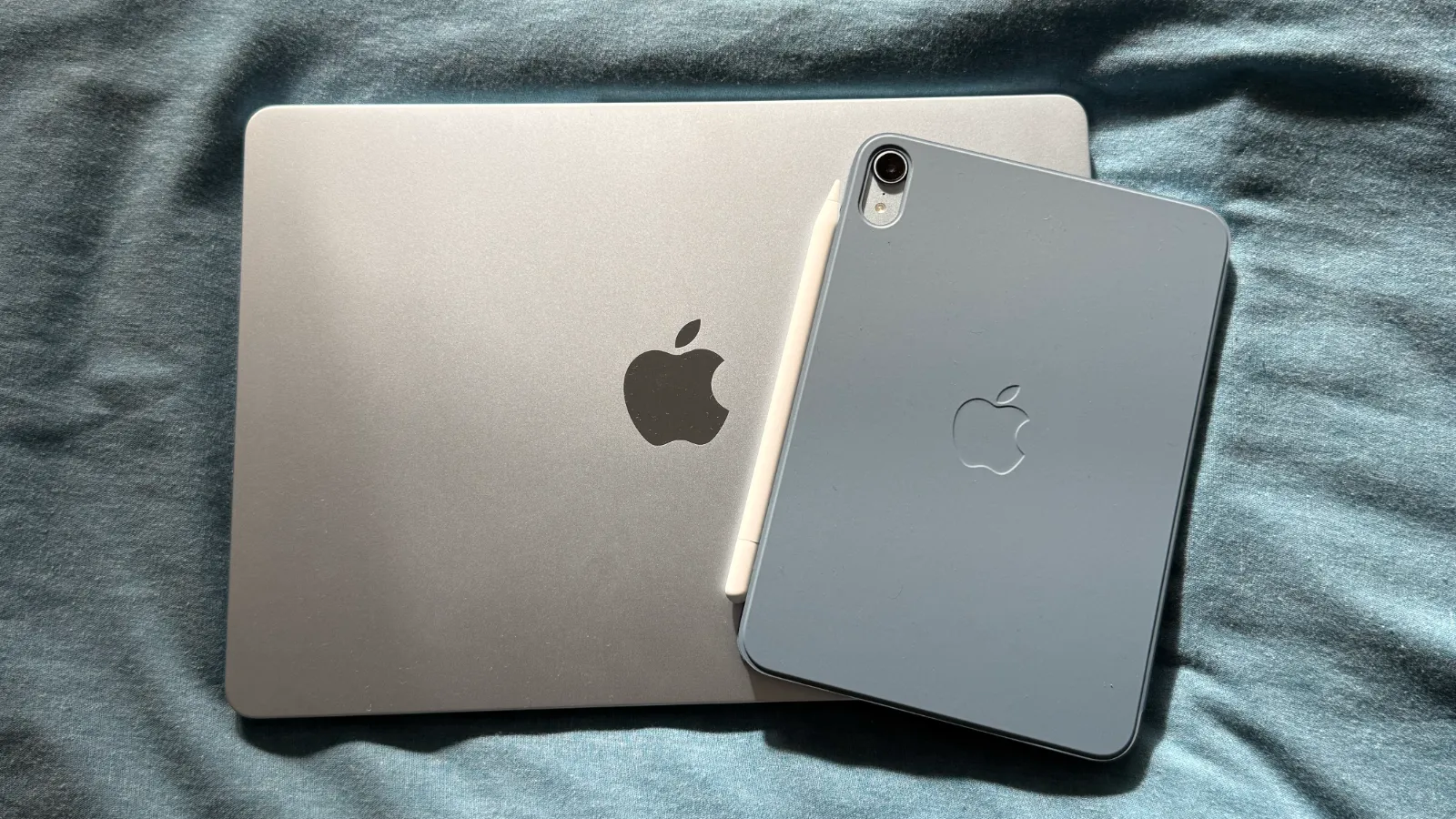
I have owned and used both an 11" iPad and the 8.3" iPad mini.
My first iPad was the iPad (10th generation), which was fine. However, I found the larger form factor awkward to use as you are essentially holding an 11-inch slab of aluminium and glass, that weighed 477 grams and was 7mm thick before adding the folio.
As someone who uses the iPad as a content consumption device to watch TV shows and YouTube in bed, the larger iPads quickly become uncomfortable to hold and require both hands to hold.
This is why I switched to the iPad mini (A17 Pro). This device has a much smaller 8.3" display that you can hold in one hand, it was thinner at 6.3mm and weighed a lot less at 293 grams. That makes the iPad mini almost 39% lighter than my previous model.
The thinner, lightweight design
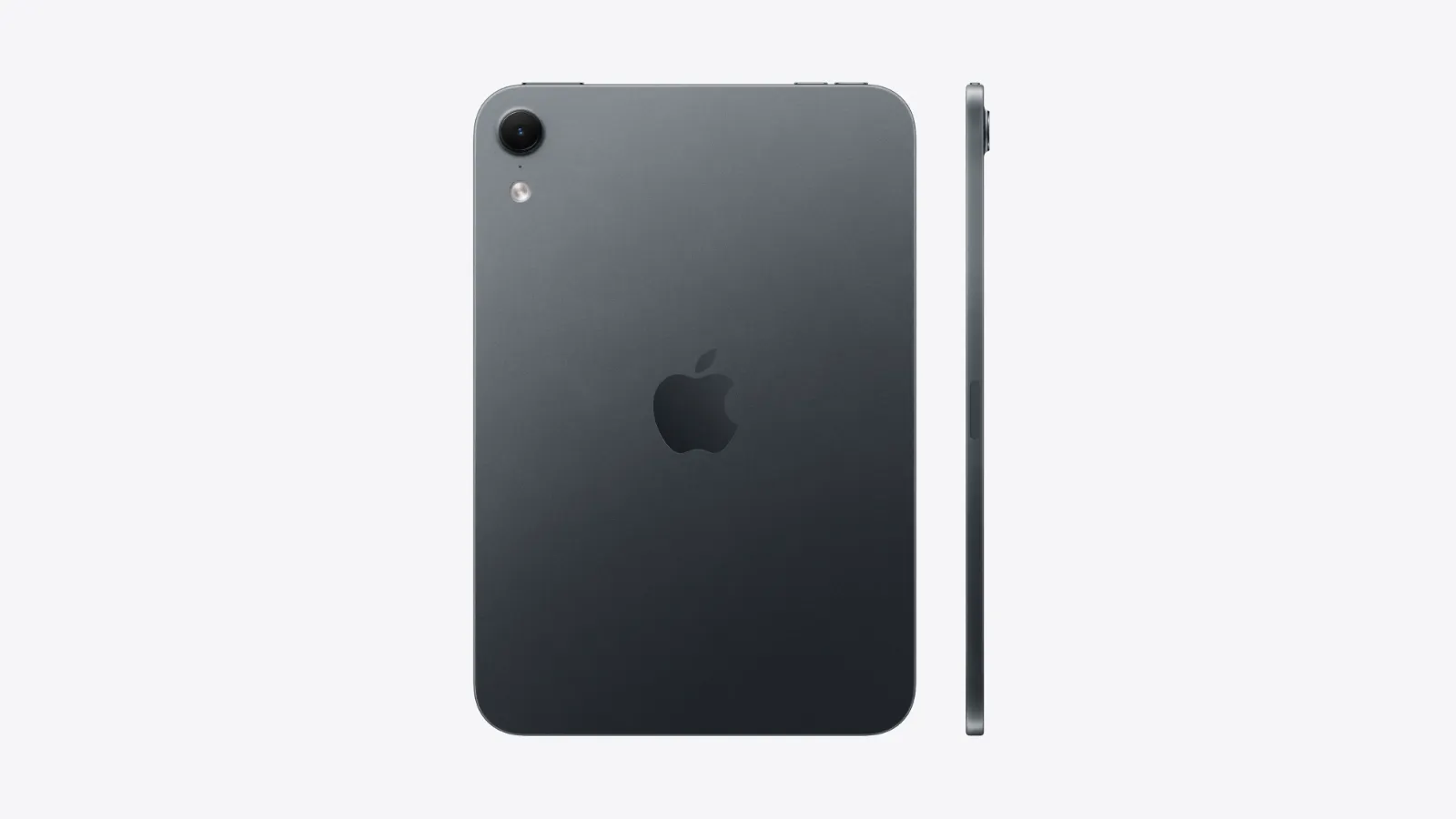
The thinner, lightweight design of the iPad mini (A17 Pro) is what sold me on the device. The iPad mini (A20 Pro) takes this a step further by reducing the thickness by a further 0.9mm to just 5.4mm. This is extremely thin, and is in fact thinner than the iPhone Air, a device that was purposefully built to be thin.
The new model is lighter too, at just 255 grams.
The chassis of this newer iPad mini model is also slightly smaller, making it easier to hold one-handed.
The new OLED display
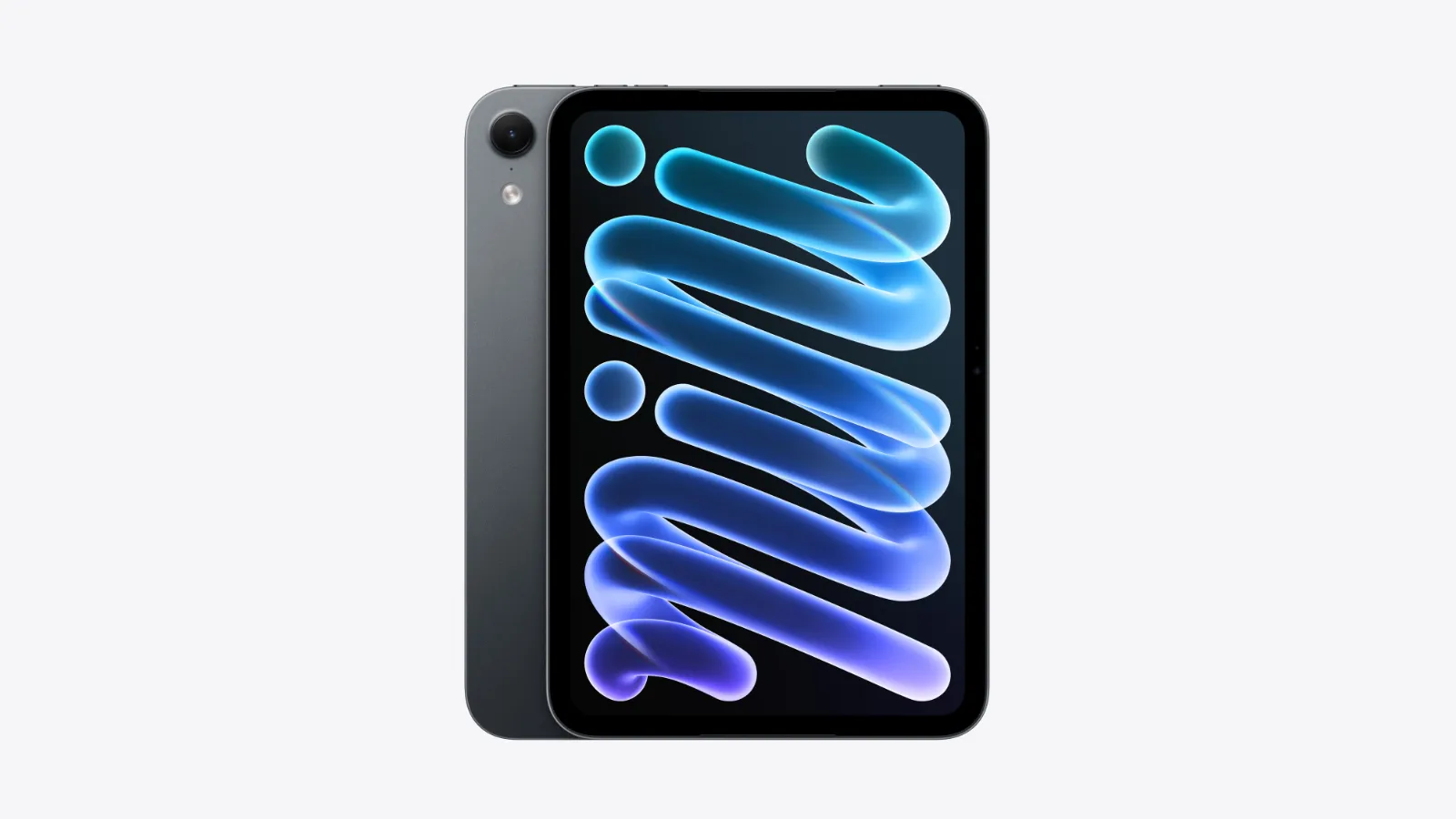
The thinness of the new iPad is perhaps achieved by the move from an LCD panel to OLED.
OLED brings deeper blacks and better colours to the iPad mini, and the maximum peak brightness can reach up to 1200 nits, with usual SDR and HDR brightness reaching up to 600 nits.
This newer display is also slightly larger at 8.5-inches, compared to the previous 8.3-inch design, as the bezels are 24% smaller than it' predecessor.
The slimmer bezels help modernise the look of the iPad mini, and features slightly more rounded corners.
A20 Pro
Apple's most powerful mobile chip, the A20 Pro, is reserved for only Apple's top-end devices. It made its debut in the iPhone 18 Pro, iPhone 18 Pro Max and iPhone Duo which each cost over £1000.
It has now expanded to its fourth device, the 2026 iPad mini, bringing faster AI performance and access to Apple's more powerful on-device models, which unlocks additional capabilities such as expressive Siri voices.
This is a three-generation jump up from the A17 Pro chip, which was already a very capable chip and I have never thought that my iPad mini needed more power.
The TechWoven Folio
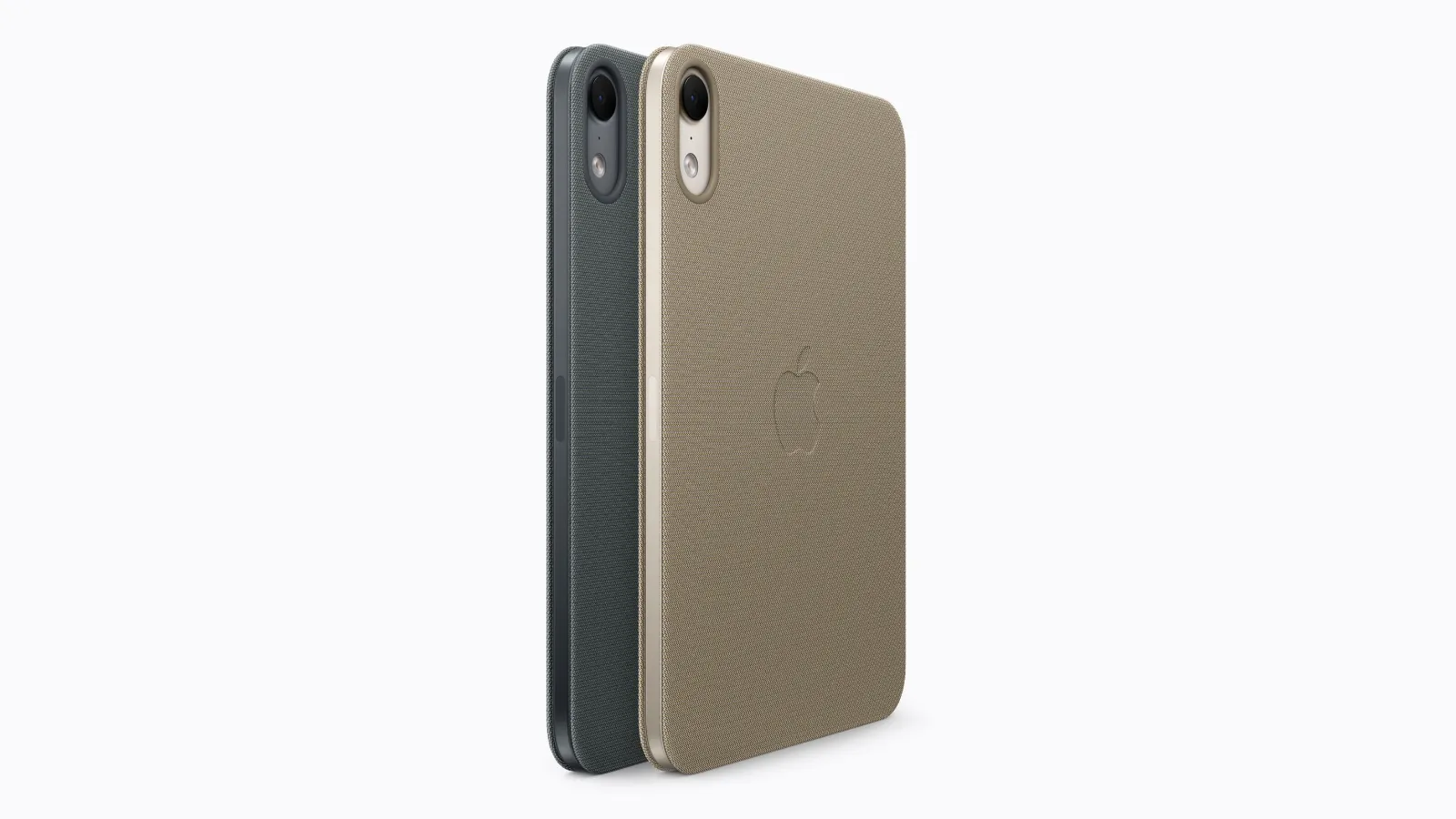
Apple has introduced a new type of Smart Folio for the latest iPad mini, with a 2-panel front cover and made of the TechWoven fabric material. This cover magnetically attaches to the iPad just like any other, but is made of a much more premium feeling material that was introduced last year on Apple's iPhone 17 Pro cases.
It is available in two colours, Dark Navy and Taupe, which perfectly match the Midnight and Starlight finishes of the iPad itself.
The redesigned two-panel front cover is a move away from the traditional 3-panels, but it is still capable of the many stand positions as before.
This new cover itself is compelling me to upgrade, as it appears much more premium when compared to my current polyurethane folio.
60Hz doesn't bother me
With an upgraded OLED display, many were expecting a 120Hz ProMotion refresh rate. However, the iPad mini remains at 60Hz just like previous generations.
Lots of people on social media have complained, calling it ridiculous that a device in 2026 has been released with a 60Hz refresh rate. However, as I primarily use my mini to watch content, the refresh rate is not an issue as most video is shot in 60Hz or lower.
As for animations and scrolling, yes it can feel a little less smooth than my iPhone 16 Pro if I'm thinking about it, but otherwise the difference is indistinguishable and it really does not matter.
The new iPad mini joins five other Apple devices released this year (excluding watches) with a 60Hz display: iPhone 17e, iPad Air, MacBook Air, Studio Display (2026) and Apple HomeView.
As someone who uses an iPad, MacBook and Studio Display with 60Hz, they are perfectly fine to use in 2026.
128GB is fine for me
Another gripe some people had with the new iPad mini (A20 Pro) is that it still starts at 128GB of storage. Personally, I was also expecting it to start from 256GB as it now costs £100 more than the previous model and Apple has transitioned it iPhone models over the past year from 128GB to 256GB.
However, as someone with a 128GB iPad mini, I find this amount fine as I barely store anything on the device itself as I have an iCloud+ plan.
I can see why 128GB could be a let down for others though, especially if they don't use cloud storage and rely on local storage instead.
The price is better than I expected
The iPad mini at £699 is annoying. My 2024 iPad mini launched at £499, and I managed to buy it for £461 when on offer on Amazon.
In Summer, Apple already raised the price of the iPad mini up to £599 to offset increasing memory and storage costs, a move that was understandably not welcome by customers.
Now, an iPad mini will set you back £699 before accessories, with a full iPad mini setup with an Apple Pencil (USB-C) and Apple Folio starting from £857.
However, I was oddly pleasantly surprised when I saw the price as I was expecting the new model to cost £799.
But, as someone who has wanted OLED on the iPad mini for a while now, I'd say the new price is worth it and I can at least get some money off by trading in my current model, and using the £50 student discount.
Final thoughts
Every time I pick up and use my iPad mini I always have the same thought; this LCD display is not that great. Other than that, I already love the size, weight and thinness of the iPad mini.
So, when Apple introduced the new model with an OLED display, I was already sold. When I dug further, to find the new model had slimmer bezels, was 0.9mm thinner and weighed less, these felt like bonus upgrades.
As a result, I expect I will be upgrading in the coming year, as it feels like Apple has finally built the iPad of my dreams.
I have always believed Apple should make an iPad Pro mini, and this feels the most aligned to that vision than ever before.