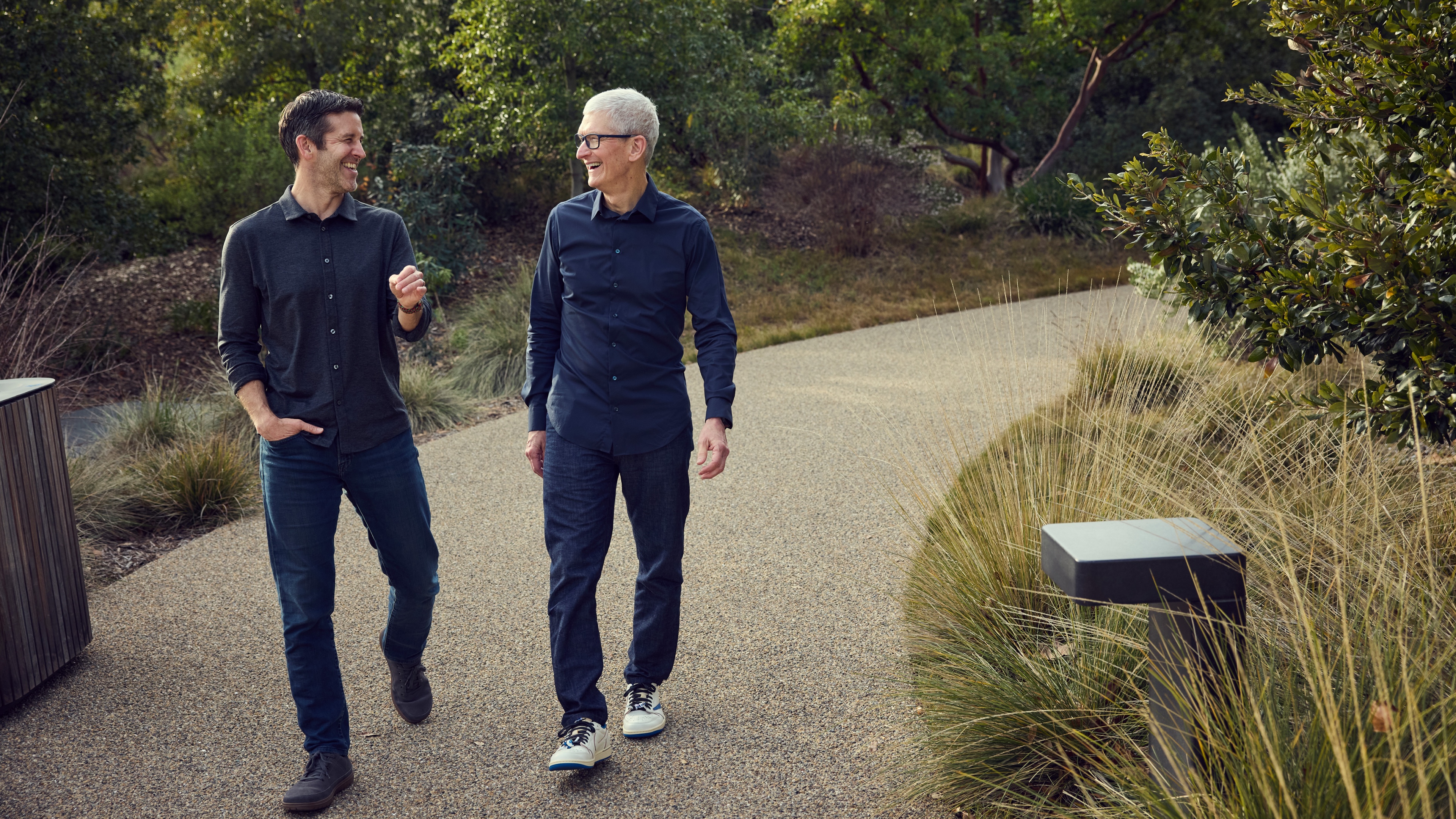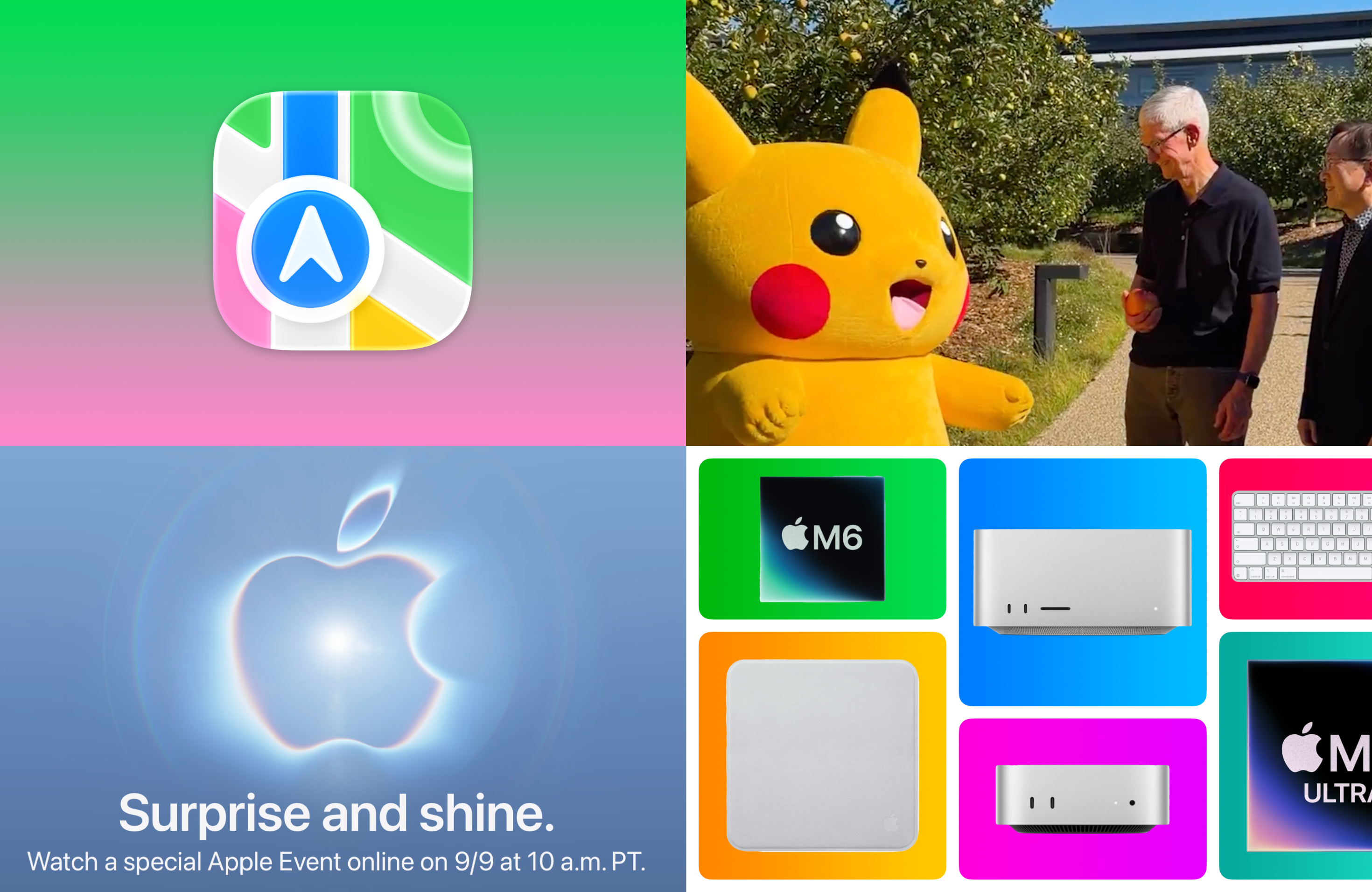
Apple closes one of its biggest chapters today, as Tim Cook marks 31st August 2026 as his final day as CEO. As John Ternus begins to take the reins of the world's largest consumer technology company, here's a look back at Tim Cook's 15 years as CEO.
2011 - Tim Cook Becomes Apple CEO
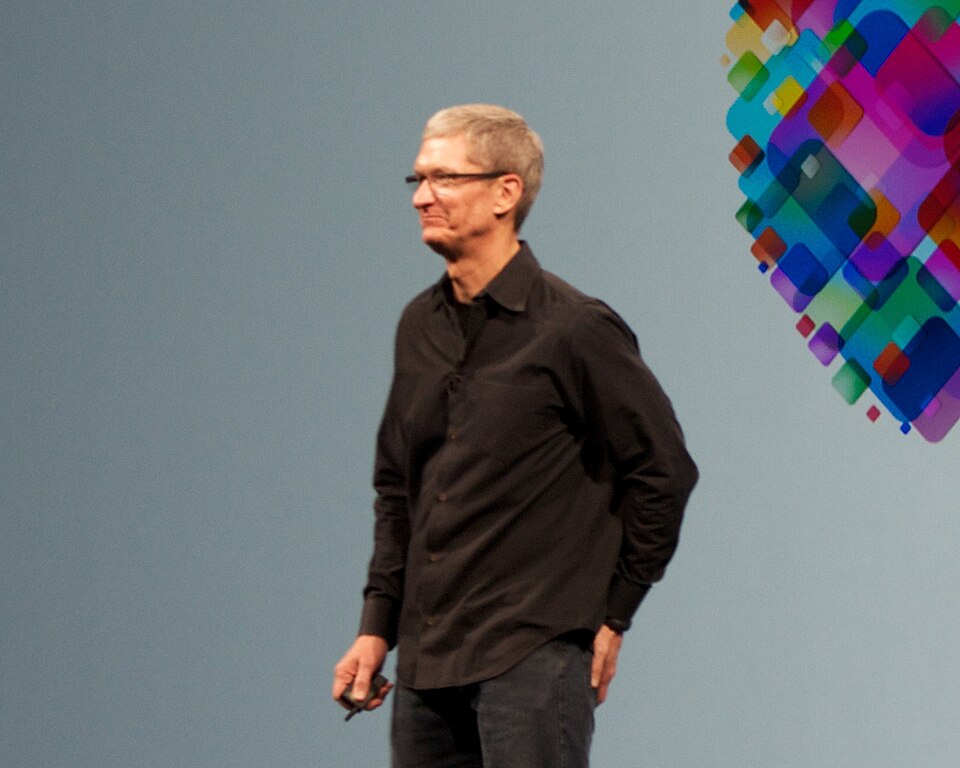
Image Credit: Mike Deerkoski
Steve Jobs resigned as Apple CEO on the 24th August 2011, effective immediately. Tim Cook, who had already serving as interim CEO since January, is named as Job's permanent successor.
Cook went on to host his first event as CEO, 'Let's Talk iPhone', on the 4th October. Apple introduced the iPhone 4S, with the company's A5 Apple Silicon chip, an 8MP camera and Siri. The company also announced the release date of iOS 5 and iCloud.
Apple's visionary founder, Steve Jobs, died a day later.
2012 - Lightning Connector, iPad mini & Apple Maps Controversy
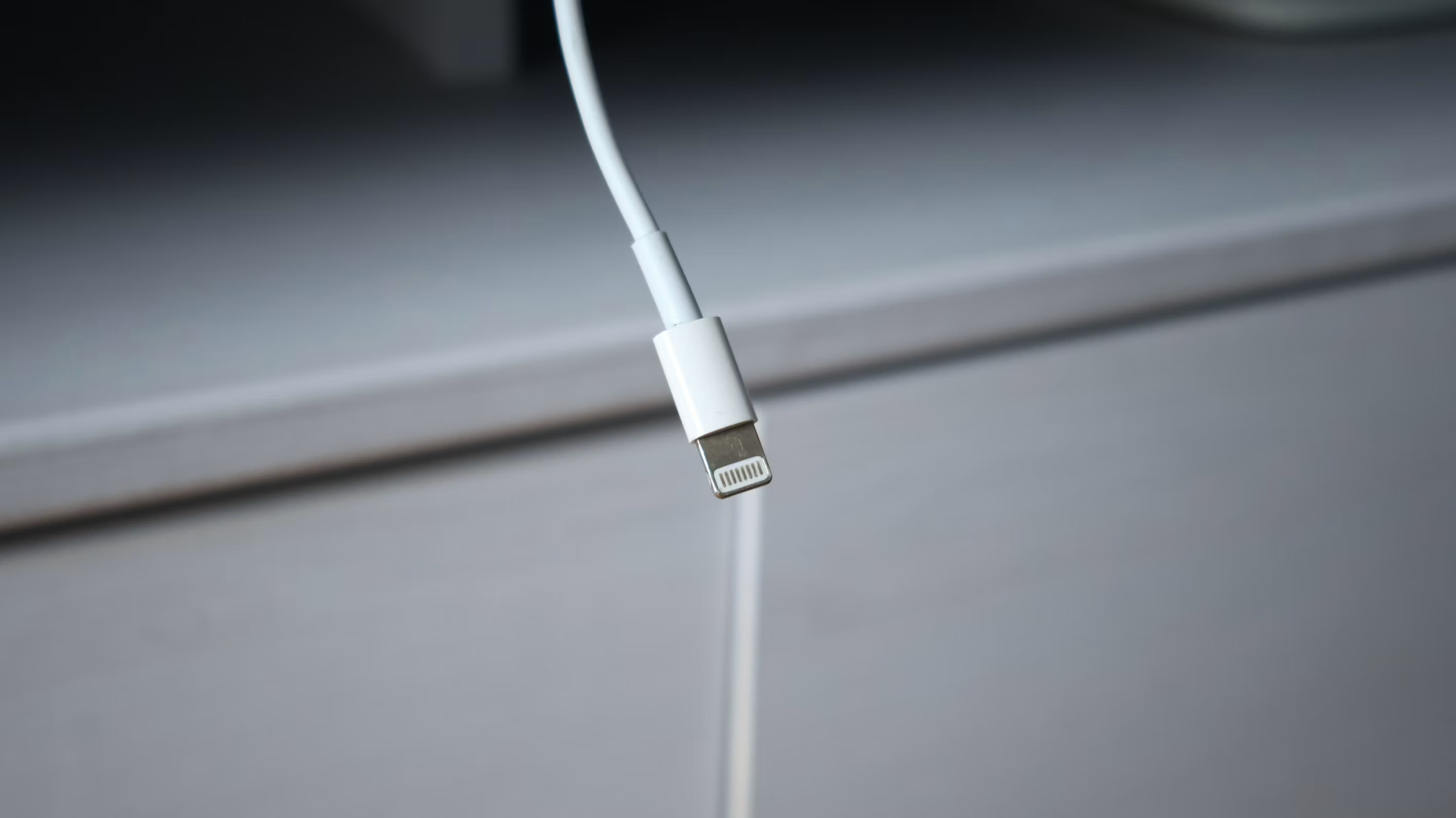
Apple debut several notable devices in 2012, including iPhone 5, the Retina display MacBook Pro and all-new iPad mini.
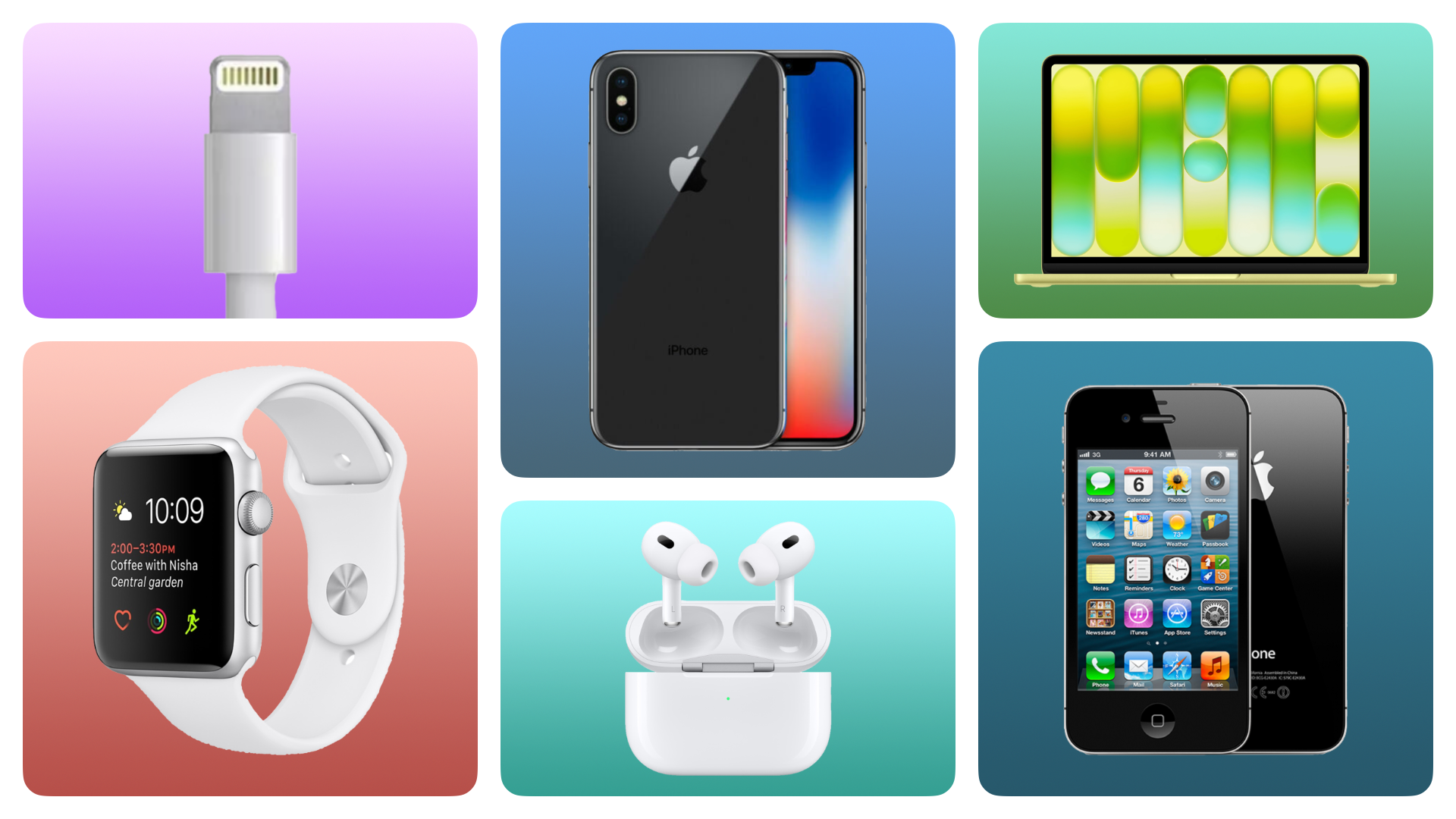
iPhone 5 featured a new lightning connector, replacing the 30-pin dock, and supported 4G LTE.
The company also introduced the Retina display to MacBook Pro, making it the highest resolution computer screen in the world, at launch.
iPad mini was also unveiled in 2012, with Cook announcing the device during a late October event.
Despite many successful product launches, Apple faced controversy following the launch of Apple Maps, which showed flat flyovers of major landmarks, including the Eiffel Tower, and directed drivers down dangerous routes, including roads that didn't exist.
This led to Tim Cook issuing a public apology, where he told users to install rival apps, such as Google Maps. The failure of Apple Maps led to some senior executives losing their jobs, including iOS chief Scott Forstall, who refused to sign the apology letter.
2013 - Touch ID, 'Trash Can' Mac Pro & iOS 7
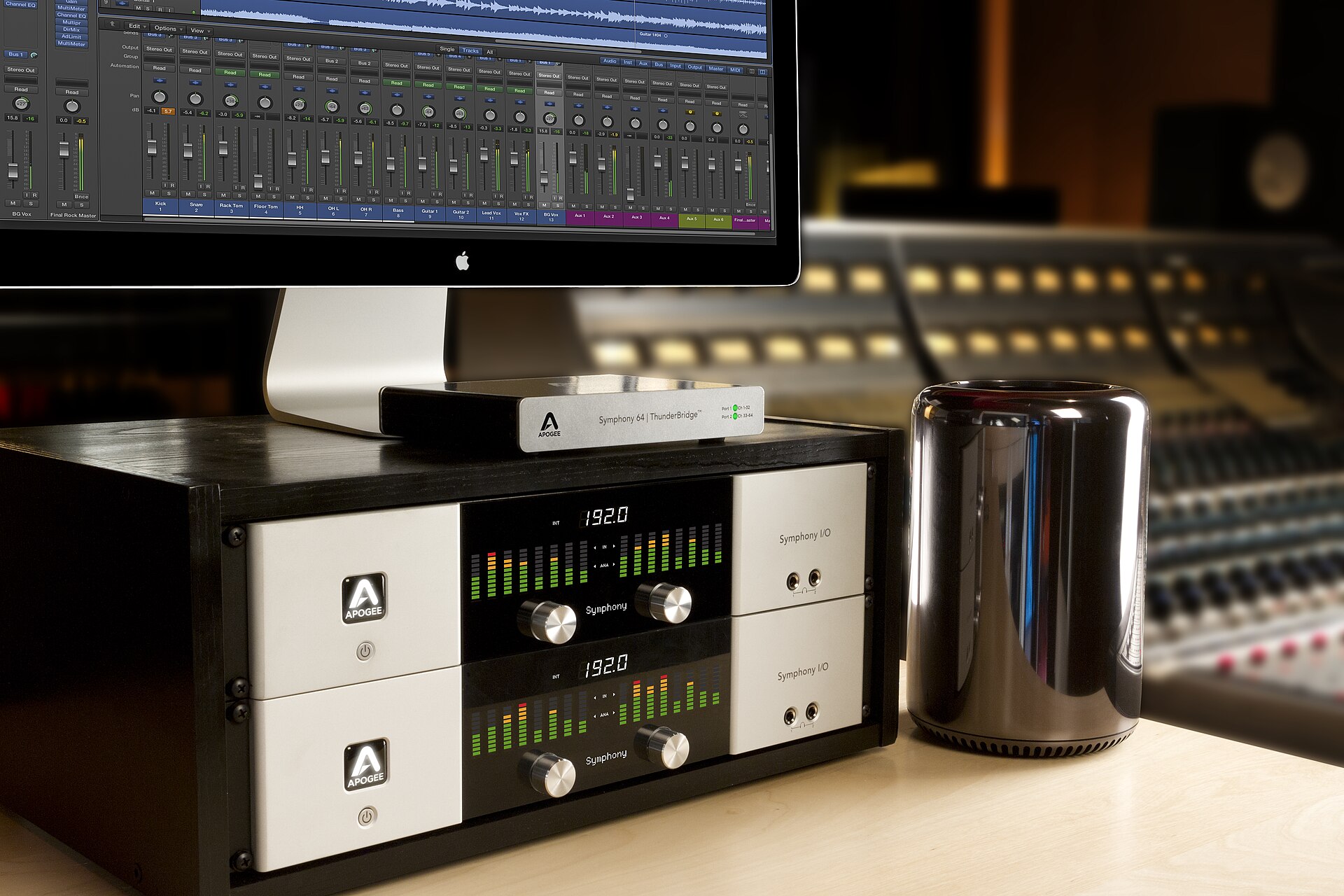
Image Credit: David Podosek
In 2013, Cook unveiled iPhone 5s, featuring an all-new authentication method, Touch ID. This allowed users to scan their fingerprint on the home button, and place their finger on the button to unlock the device. This technology is still used today, in many Mac and iPad models.
Apple also previewed the first major redesign of the Mac Pro, since the launch of the 2006 model 7 years prior. The device was nicknamed the 'trash can', because of its cylindrical design in a shiny black finish.
Apple marked one of its biggest software overhauls ever in 2013, replacing the skeuomorphic design of iOS 6 with an all new flat look in iOS 7. The overhaul, led by design chief Jony Ive, saw the major redesign of every app icon and brought about Apple's white and blue software colour scheme.
2014/2015 - Apple Enters Wearables With Apple Watch
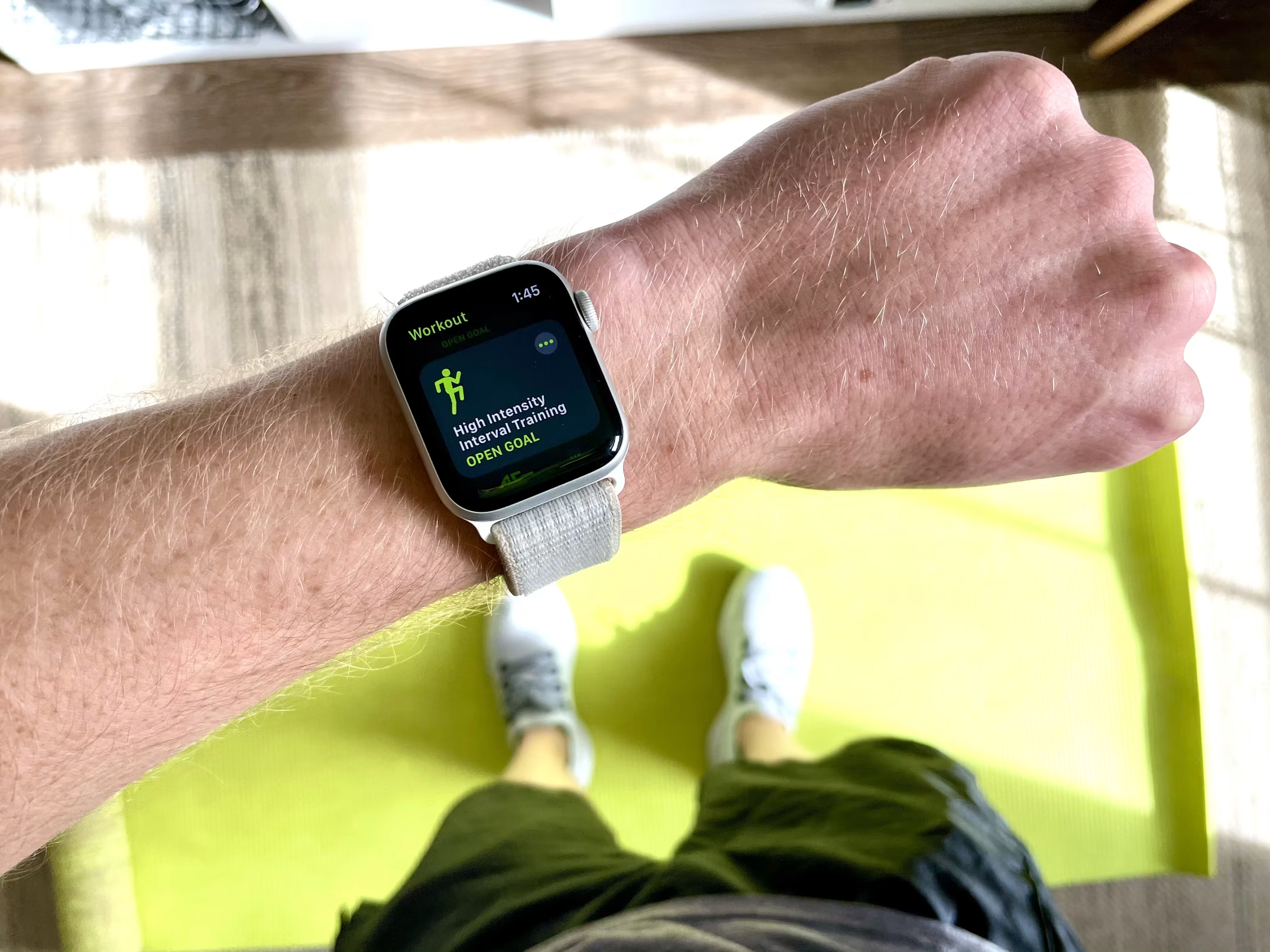
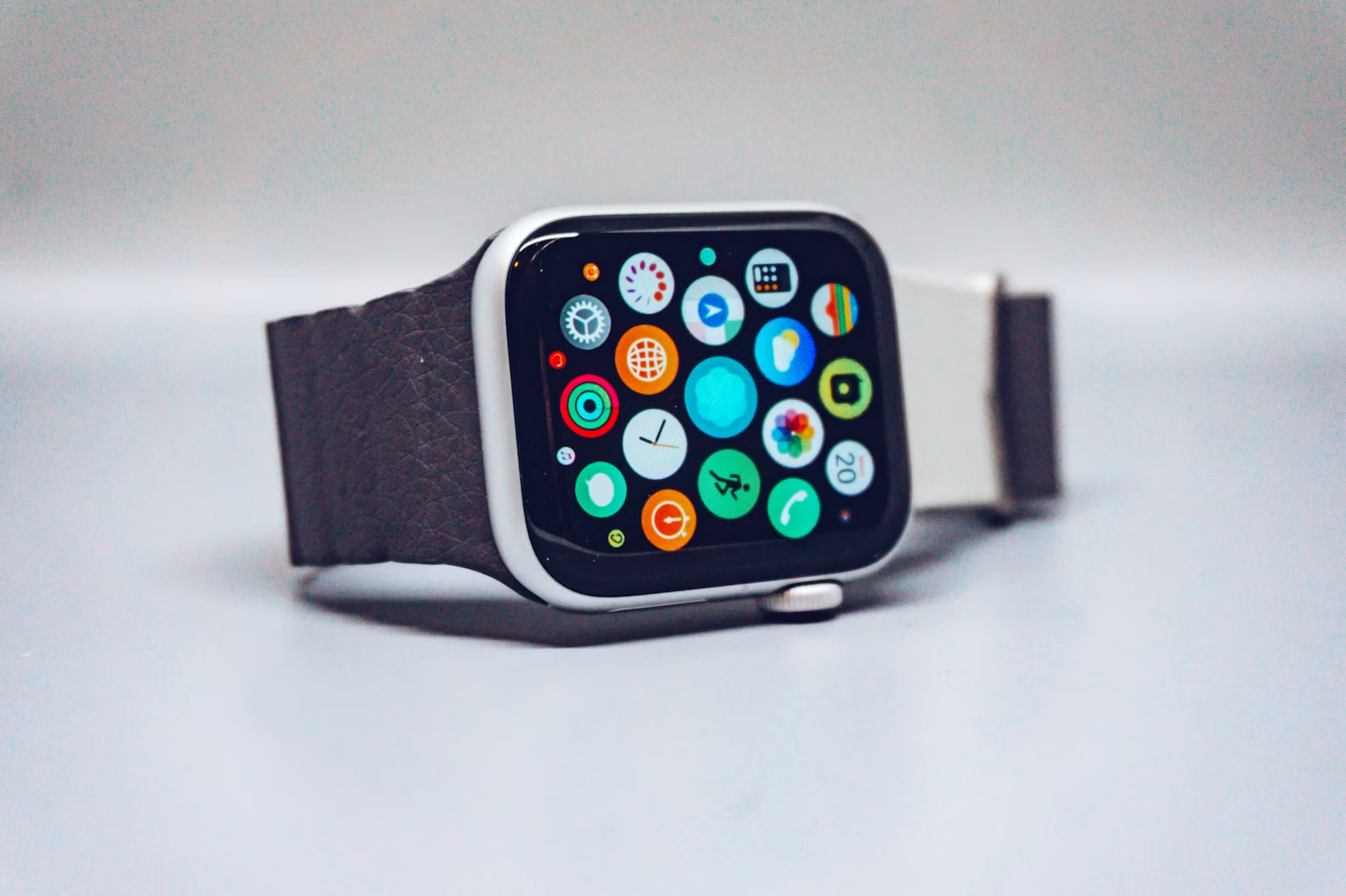
Tim Cook announced the Apple Watch during a September keynote in 2014, marking the first major new product category since Steve Jobs left the company.
Apple released the Apple Watch 6 months later, in April 2015. Three models were available to buy:
- Apple Watch Sport: entry level model focused on fitness-enthusiasts, available in aluminium
- Apple Watch: The mainstream everyday model, available in stainless steel
- Apple Watch Edition: The luxury designer model, made of 18-karat gold and started from $10,000
This was the company's first ever wearable product.
2016 - AirPods
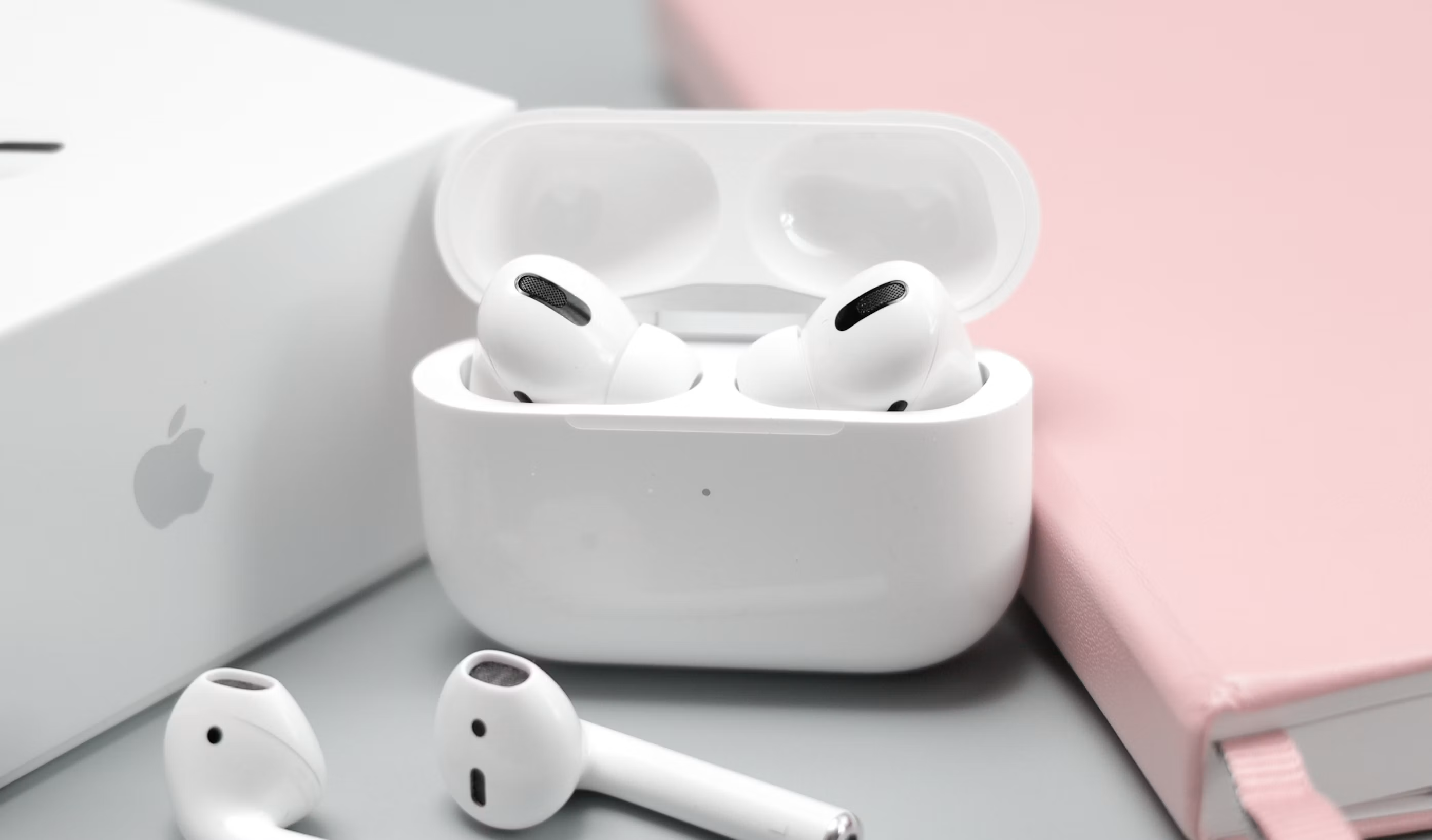
Apple launched their first ever wireless earbuds in 2016. Whilst they were not the first, AirPods popularised the concept of wireless earbuds and have been a major success, with millions of units sold each year.
Skeptics online initially criticised the look, with users comparing the original AirPods to a toothbrush head, and many were critical with the launch of AirPods coinciding with the removal of the headphone jack on iPhone 7.
The first generation AirPods used Apple's W1 chip, which supported automatic ear detection. AirPods could also automatically pair and switch between a users Apple devices.
2017 - iPhone Turns 10
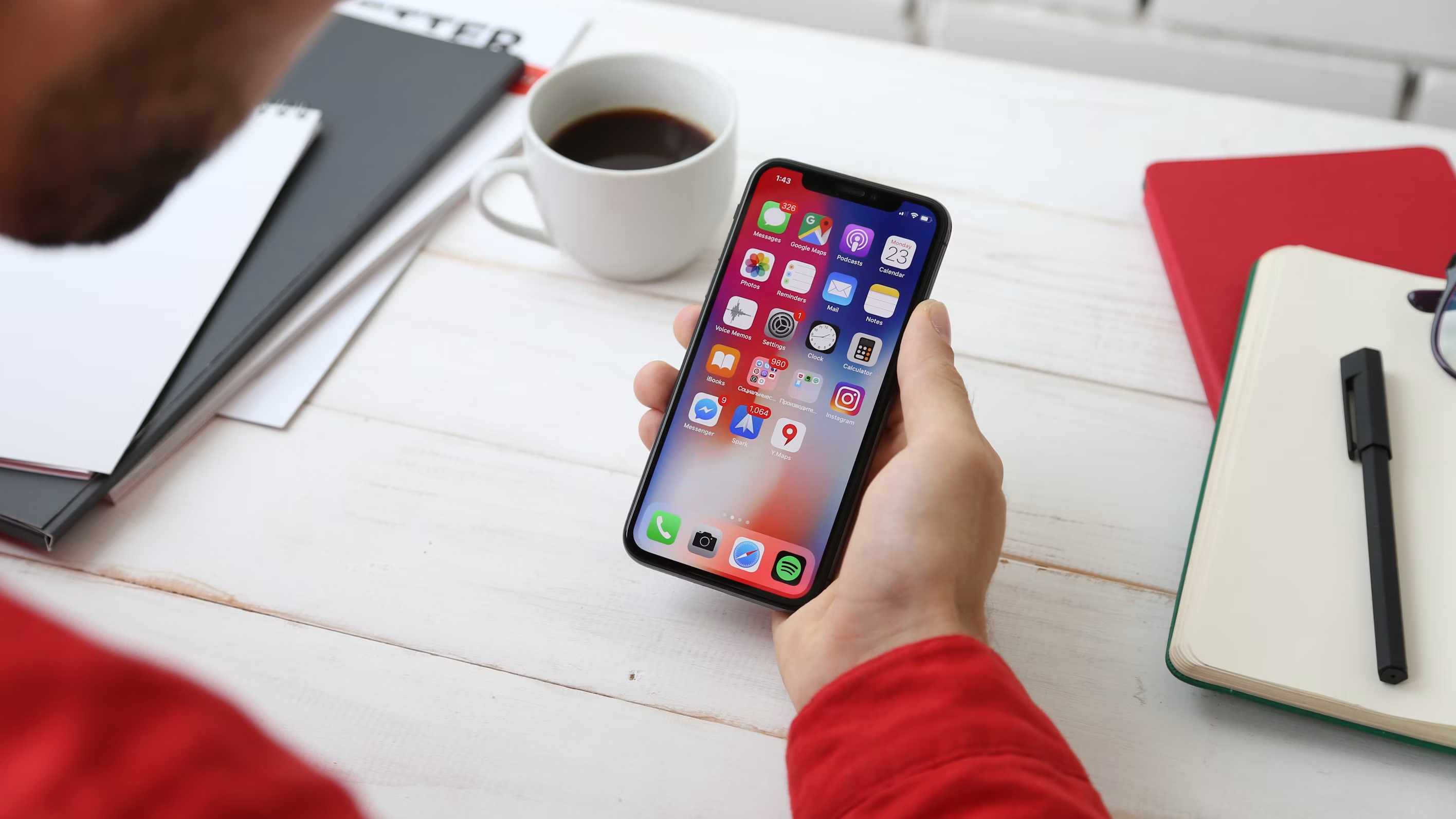
Apple marked the 10th anniversary of the iPhone since its introduction in 2007, with the launch of iPhone X. iPhone X introduced an all-new design, removing the home button for an all-screen display, and replaced Touch ID with Face ID, so users can unlock their iPhone by simply looking at it.
The device was also the first iPhone with an OLED display.
iPhone X featured a reflective glass back, and contoured edges which made the device feel extremely futuristic next to other phones.
This model helped birth the modern iPhone we know today, and uses the same intuitive gestures that are used today.
2018 - Apple Reaches $1 Trillion Market Cap
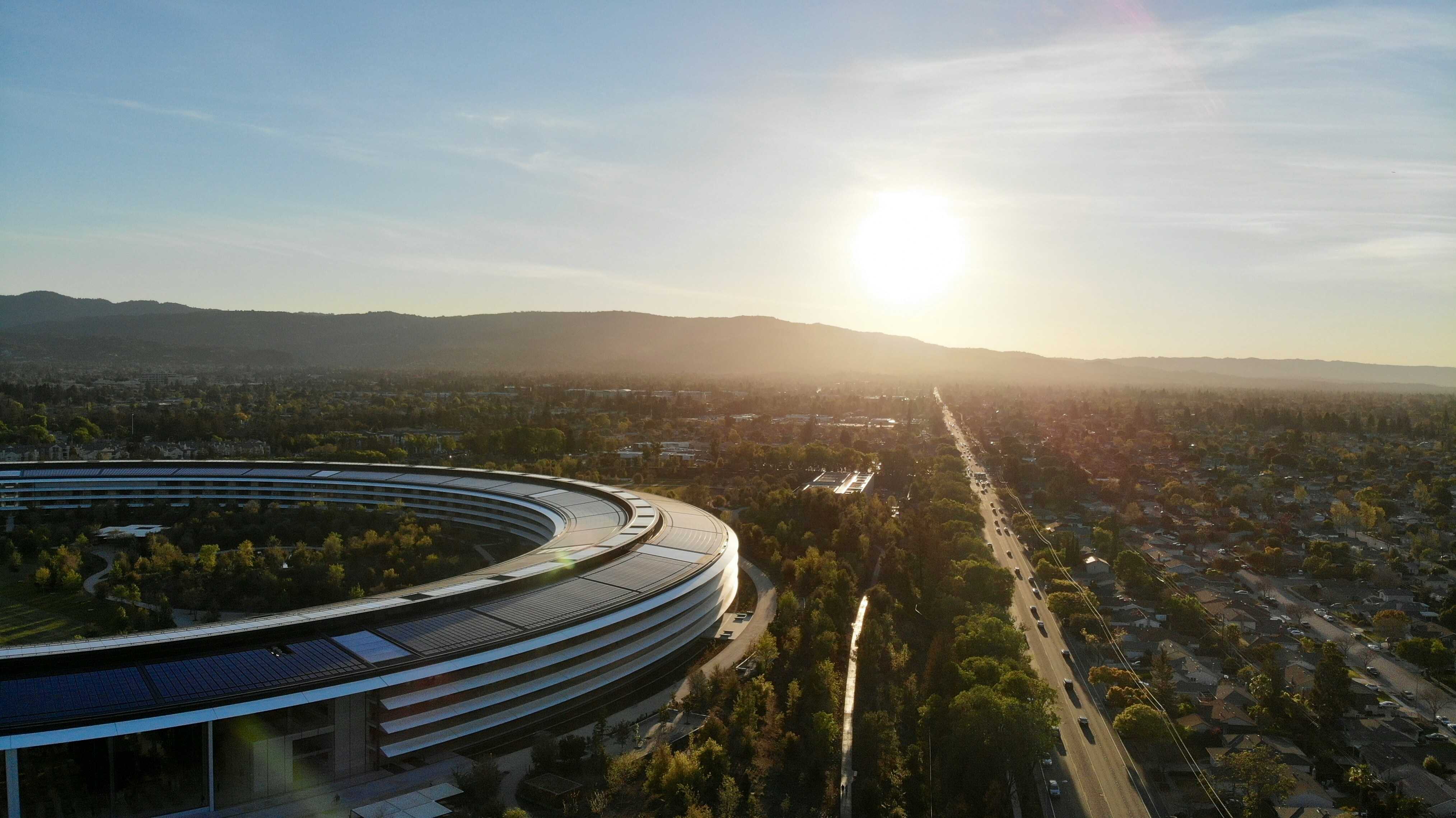
On the 2nd of August 2018, Apple became the first public company in history to reach a $1 trillion valuation.
This is one of Tim Cook's biggest legacies, who is credited for his supply chain innovation and expansion into services to help increase the company's value.
Apple went on to release its most expensive phone, iPhone XS Max, from £1,099 alongside the entry-level iPhone XR. They also debuted the Apple Watch Series 4, which featured new health sensors that enabled ECG capabilities.
2019 - The Pro iPhone is Born
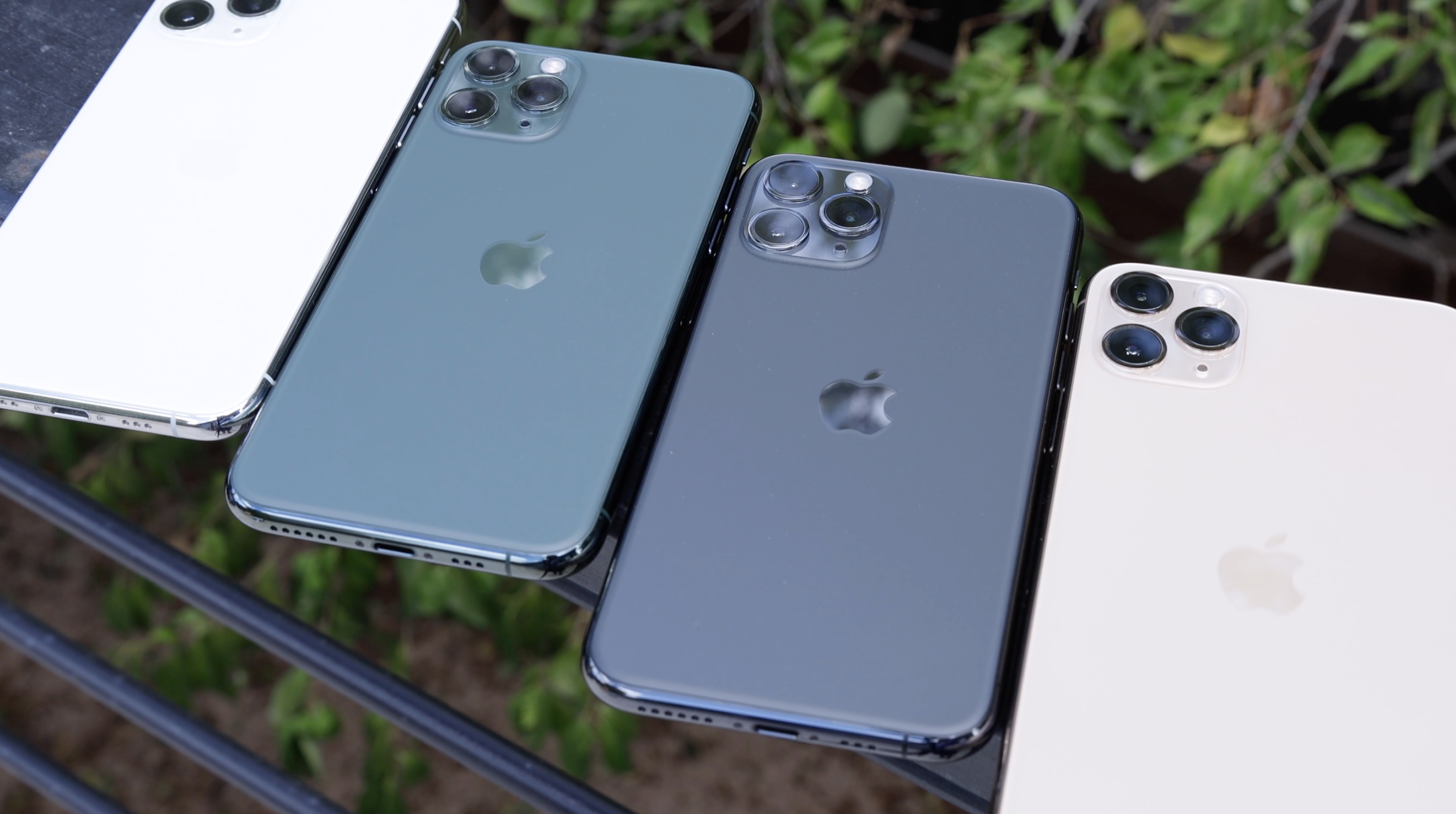
In September 2019, Apple completely reworked the iPhone lineup, releasing the iPhone 11, iPhone 11 Pro and iPhone 11 Pro Max. This naming scheme survives 7 years later, with Apple's Pro models becoming some of their most popular devices.
The iPhone 11 Pro Max overtook the iPhone XS Max as the most expensive iPhone, launching at £1,149 in the UK.
The pro iPhone lineup introduced the triple-camera system, still seen in today's latest models.
2020 - Apple Silicon Mac Transition
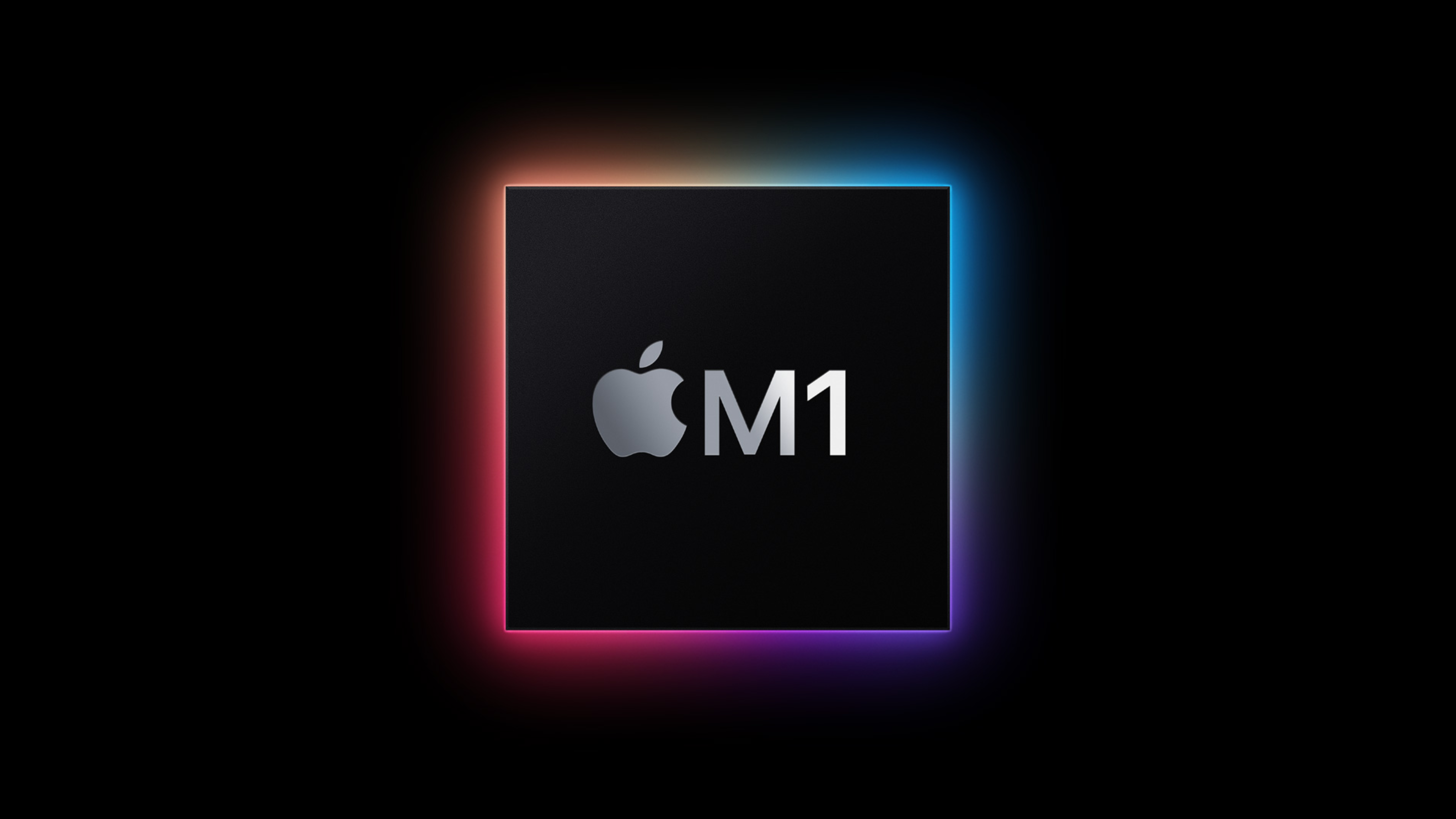
In late 2020, Apple announced it would begin to transition the Mac from Intel processors to its own Apple Silicon. This led to the debut of the M1 MacBook Air, MacBook Pro and Mac mini.
The M1 chip was revolutionary, and shocked many with its performance and efficiency. Apple Silicon helped Apple bring its focus back on the Mac, after pushing the iPad Pro as your only computer for the past couple of years.
2021 - Cook Marks A Decade As CEO
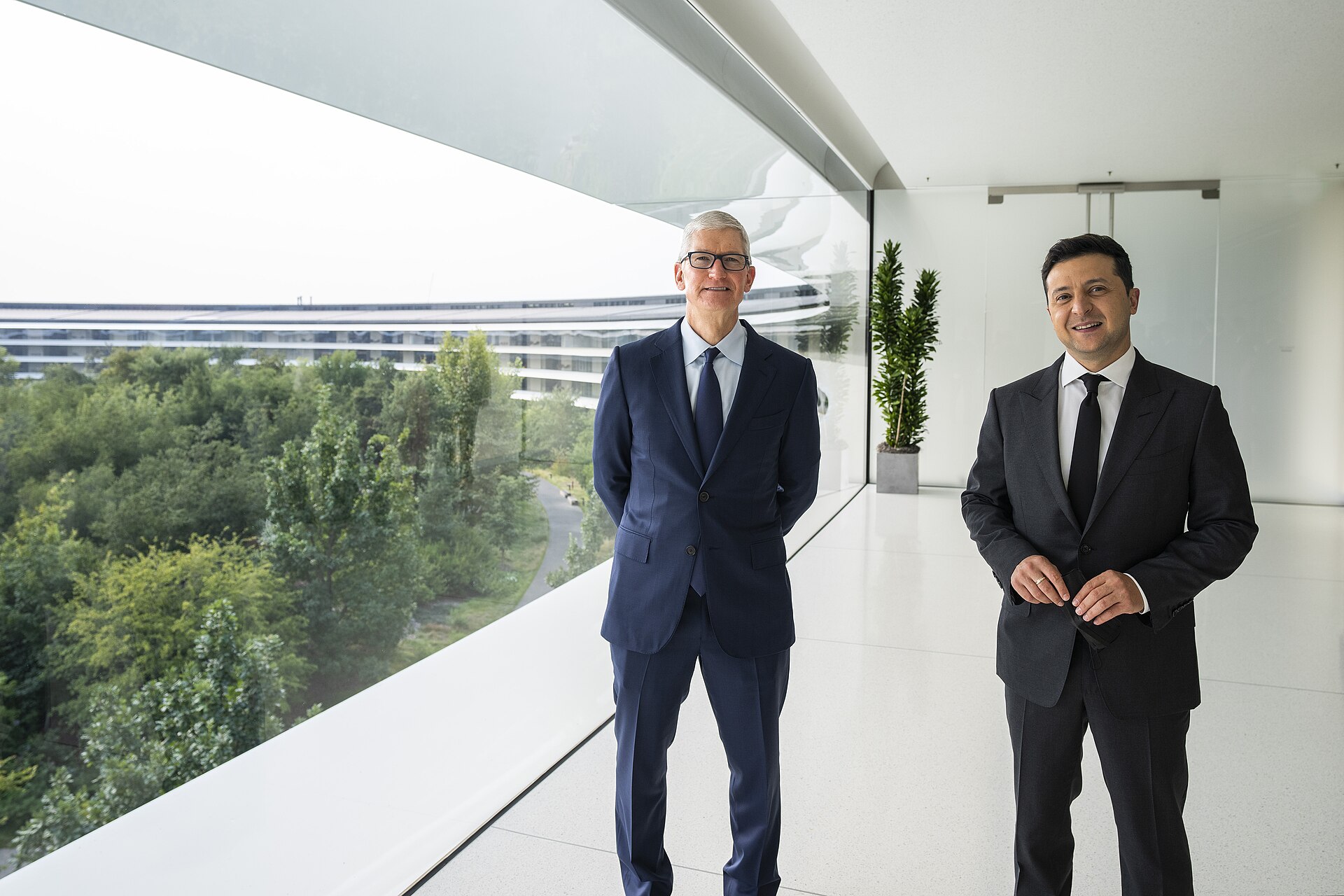
Image Credit: President of Ukraine
10 years since succeeding Steve Jobs, Tim Cook had put his stamp on the company. Over the past decade, Cook had introduced wearables to the company, marked the 10th anniversary of the iPhone with the products biggest redesign in its history and began the reinvention of the Mac, with Apple Silicon.
Cooks expansion of the company did not slow down, with the launch of AirPods Pro, and the continued work to release more Apple Silicon Mac models, including the 2021 MacBook Pro which saw the return of ports and performance.
2022 - Dynamic Island
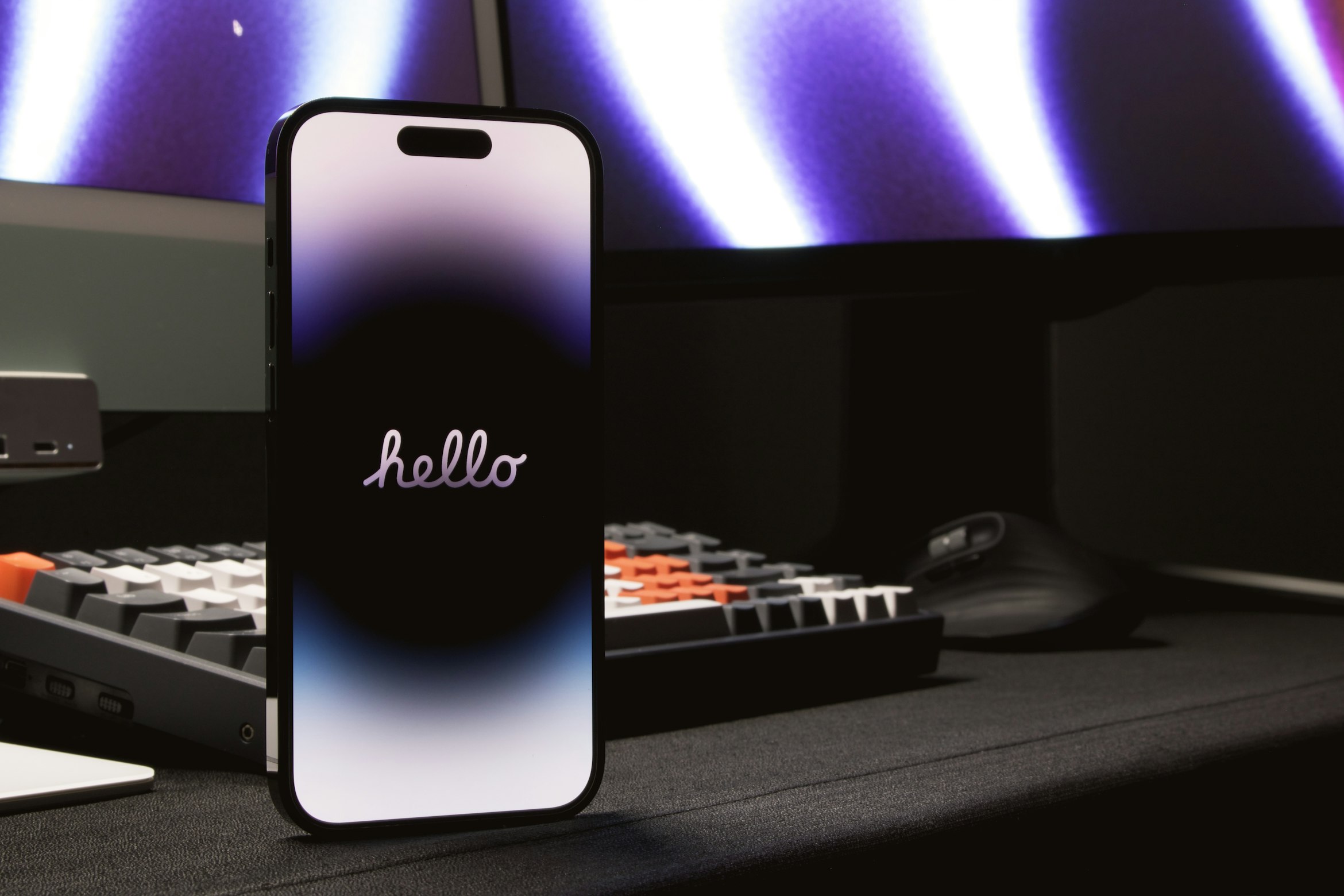
Apple introduced an all-new way to interact with your iPhone with the launch of Dynamic Island on iPhone 14 Pro in 2022. The purpose of the Dynamic Island was to make use of the notch that sits at the top of the display, which houses the technology for Face ID and the front camera.
Dynamic Island blends the hardware and software together, and shows live activities and displays alerts, such as when you activate the action button or listen to media.
2023 - Apple Launches Vision Pro
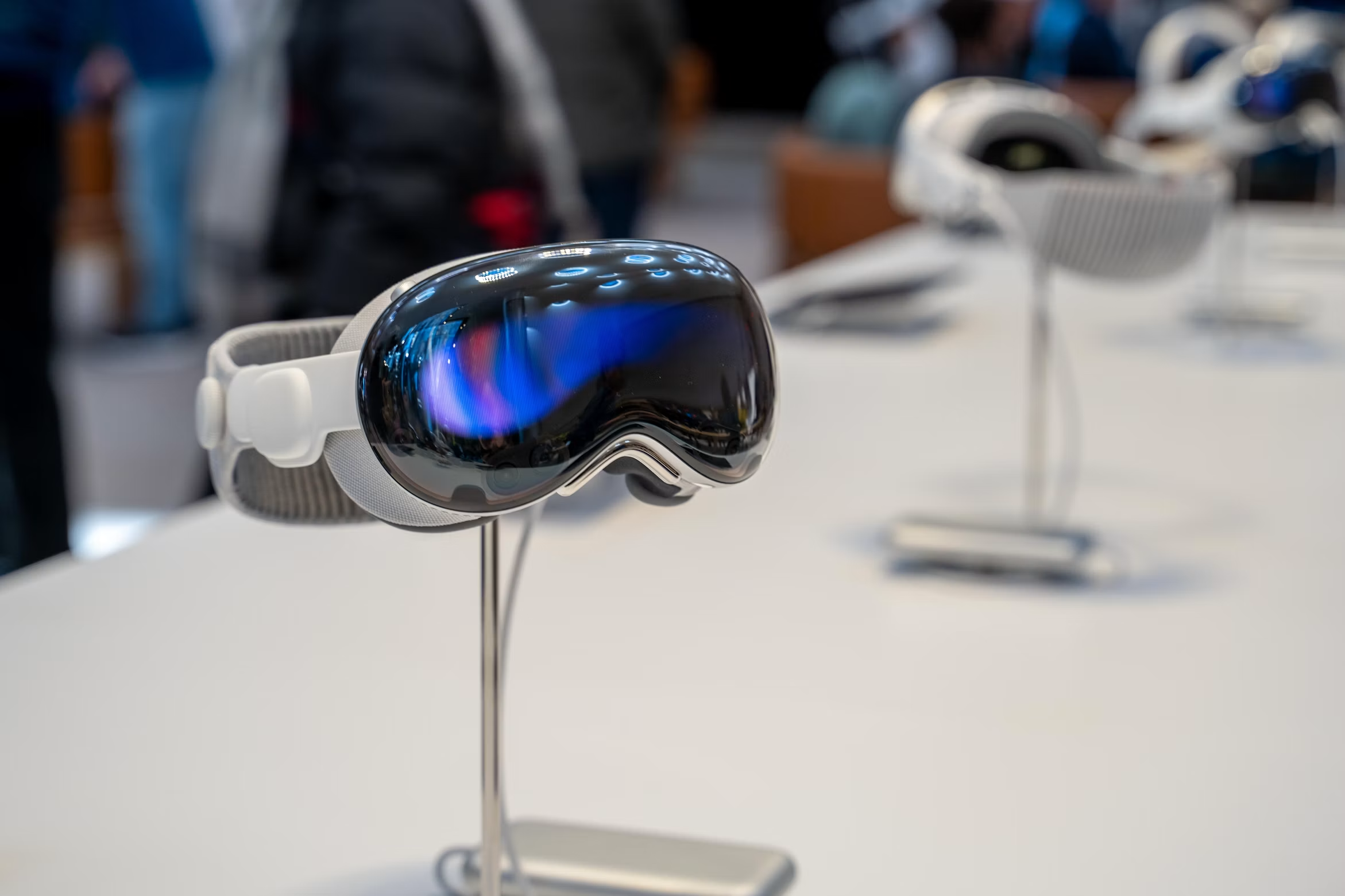
Tim Cook took to the stage for his first One More Thing moment at since the announcement of Apple Silicon Macs in 2020.
Cook unveiled Apple's first spatial computer headset, Apple Vision Pro, alongside an all new platform called visionOS. It was Apple's first new major product category since the launch of AirPods 6 years ago.
However, the device has so far not been as big of a hit, with its over £3,000 price tag and niche use case. However, the technology remains impressive and could set the foundation for future releases under John Ternus.
2024/25 - Apple Intelligence
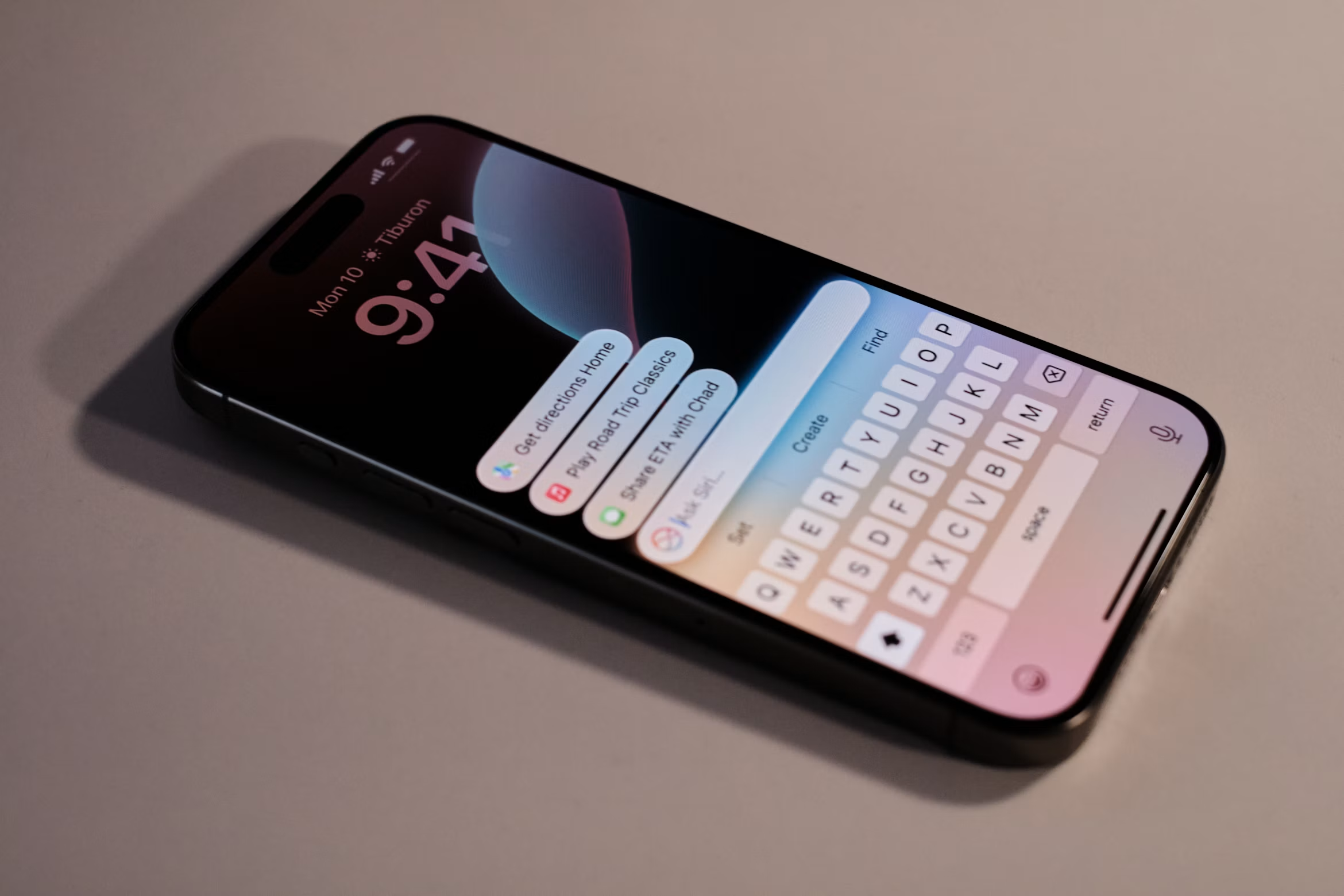
Cook unveiled Apple's first steps into generative AI at WWDC24, with the announcement of Apple Intelligence.
Apple announced a range of AI features including image generation, image cleanup, a smarter Siri with personal context and on-screen awareness and writing tools.
Whilst most features shipped over the following months, the next generation Siri never materialised, and was later delayed for a 2026 release.
This led to lots public criticism against Apple, with many claiming Apple was losing the AI race.
Apple also faces lawsuits regarding its iPhone 16 lineup, where it sold the iPhones under the tagline 'Built for Apple Intelligence', though not all AI features, including the flagship Siri update, were delivered.
2026 - MacBook Neo & Siri AI
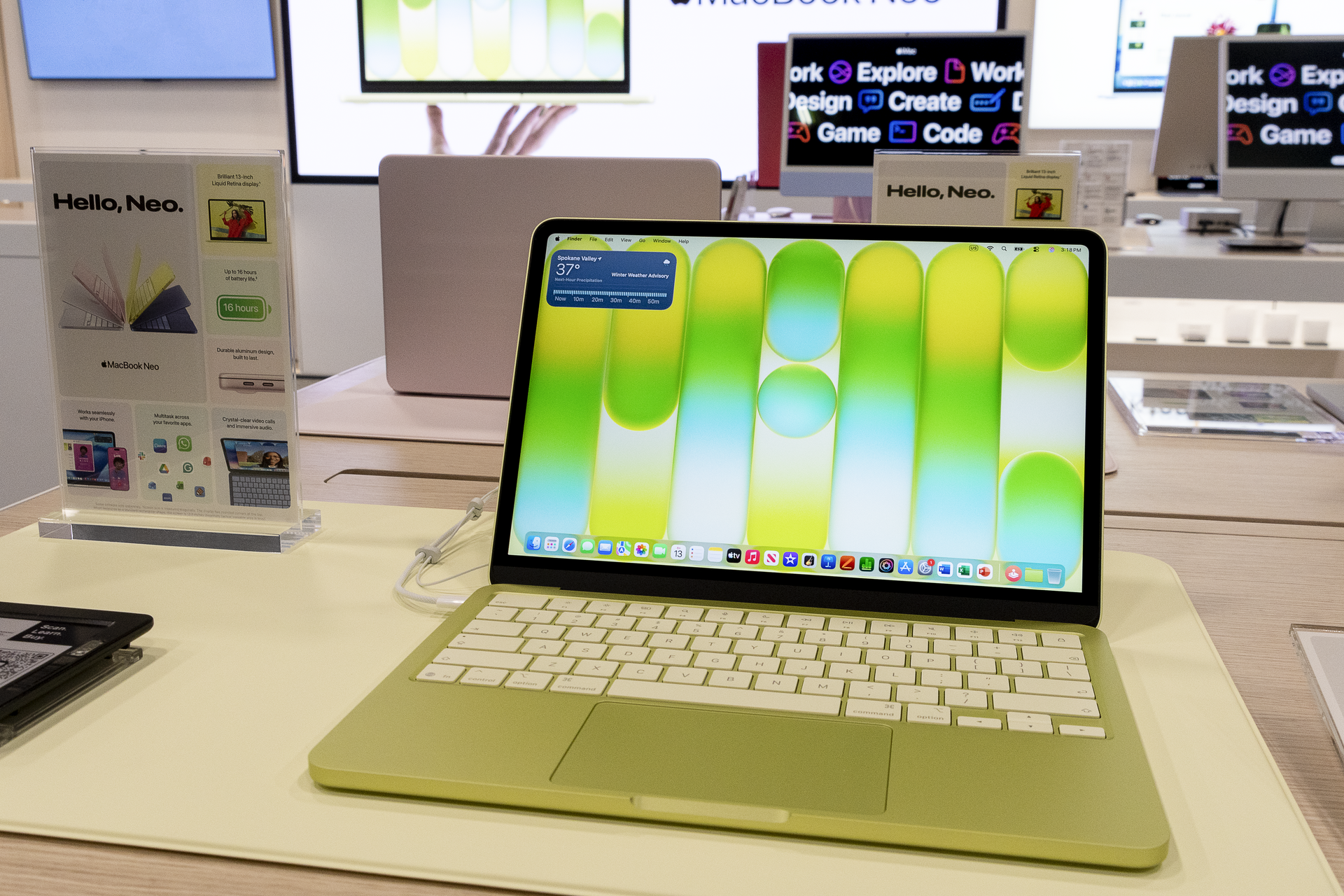
Image Credit: Locke Cole
In his final year as Apple CEO, Cook has not slowed down.
In March, the company unveiled a completely new MacBook model, the MacBook Neo, which launched at £599. It was the cheapest MacBook in history and is the first time the Mac has competed in the budget market against cheaper Windows PCs and Chromebooks.
Apple has also managed to pull its AI act together, unveiling Siri AI at Cook's final WWDC as CEO. The new version of Siri is available to use in Developer and Public betas, so the update is expected to release unlike the new Siri unveiled in 2024, which never made it to the beta phase.