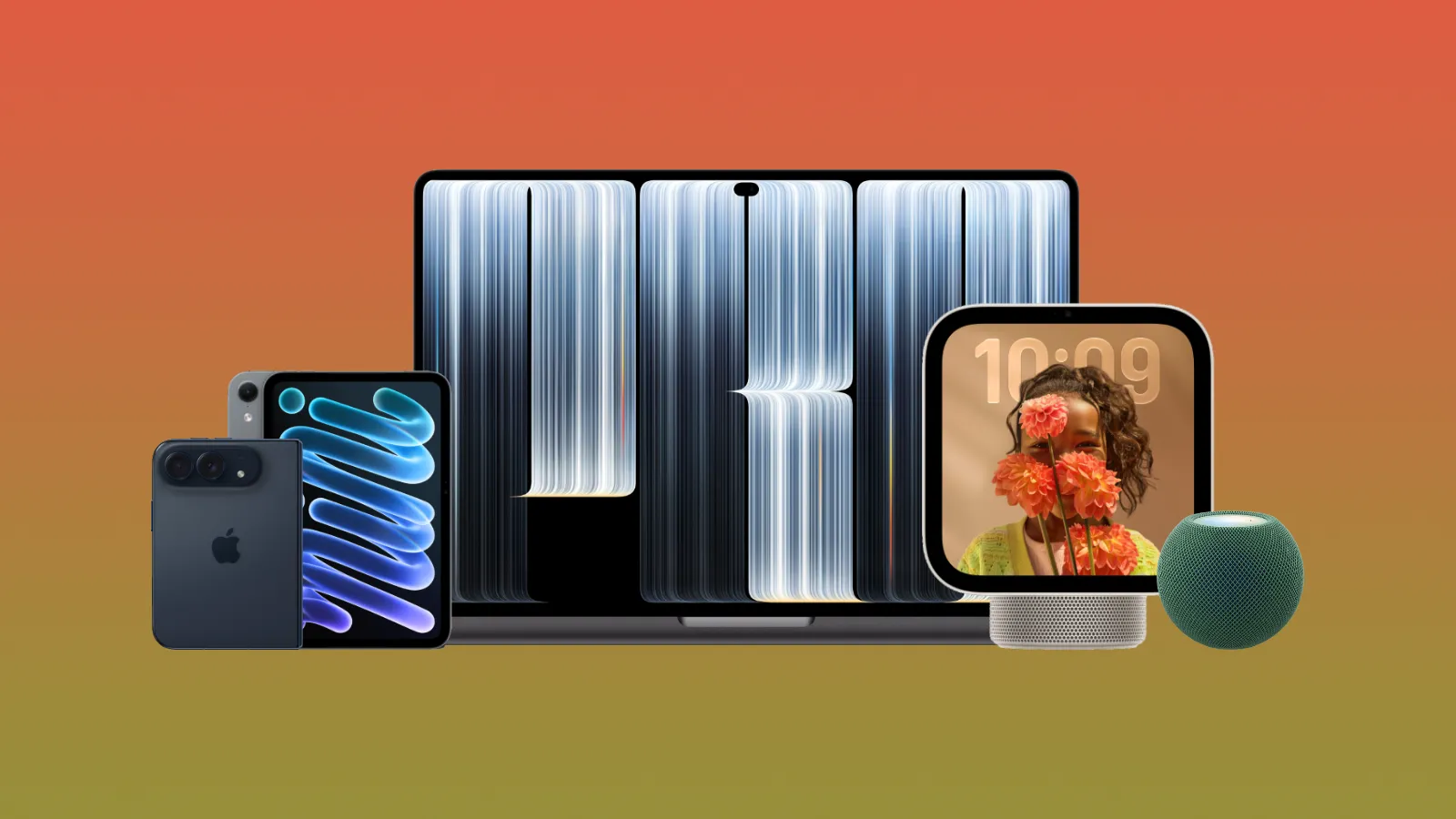
It's been a busy month to say the least. iPhone Duo officially released to the public, Apple unveiled a refreshed home lineup with the all-new HomeView and the Mac got a touchscreen after 42 Years.
And that's only scratching the surface of what feels like one of the biggest months for Apple in a long time. So, here's a recap of everything that happened in the Apple universe this October.
iPhone Duo
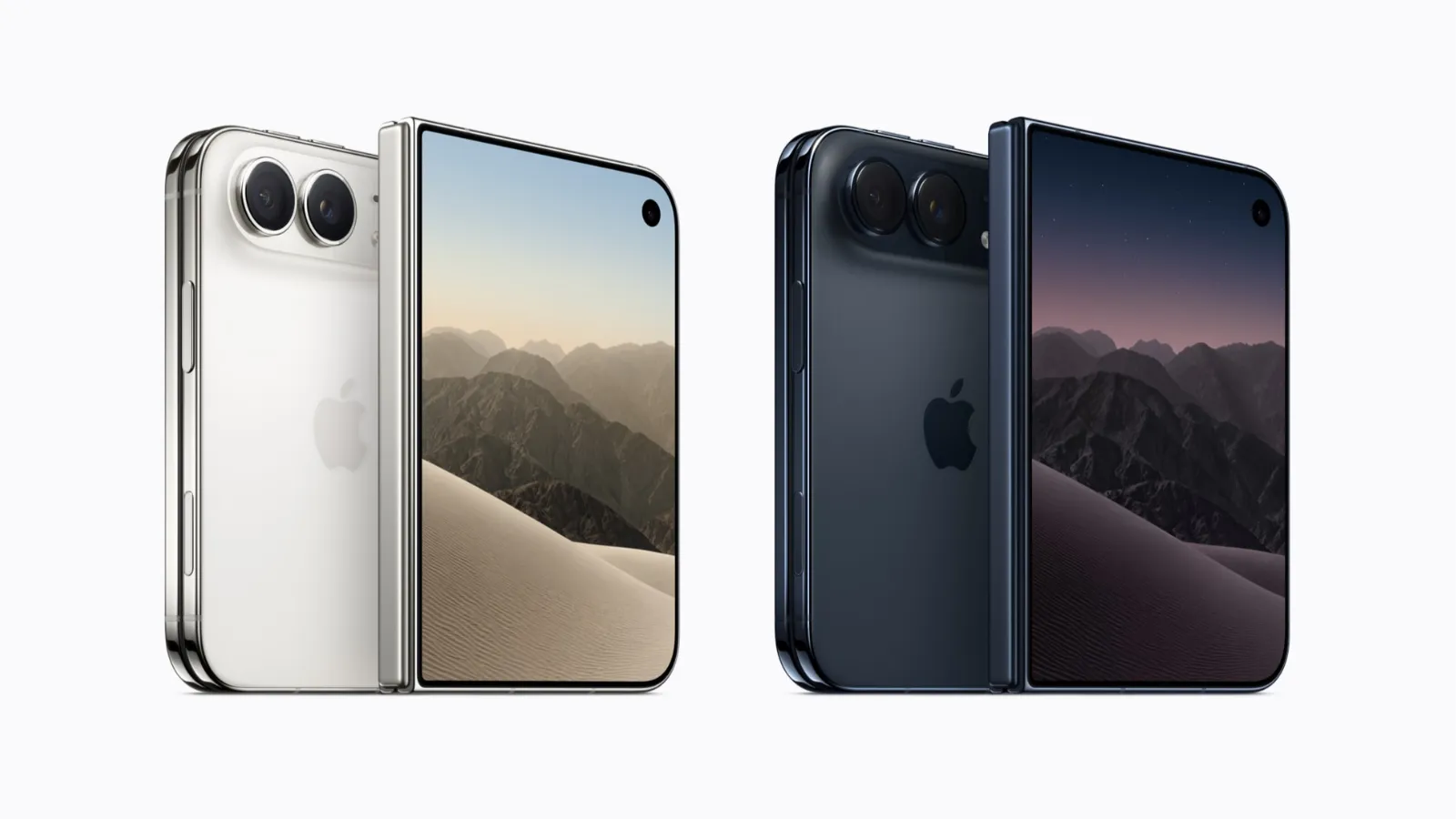
Apple's first-ever folding iPhone, the biggest form factor change to the iPhone ever, released on Friday, 23rd October to customers across the globe. This followed just a week after what is best described as a hectic pre-order process for the device, which saw delivery dates slip months back within minutes of opening at 1PM BST.
Within half-an-hour, iPhone Duo was backlogged until late January 2027. In fact, two weeks later estimated delivery dates have not changed and the iPhone Duo is unavailable at my 12 closest Apple Stores.
'CrackGate'
Despite the fanfare for the new iPhone, on release day reports began to emerge that some units had faulty displays.
Some users had reported their screen cracking along the hinge where the OLED panel bends, which also resulted in a green line of display pixels horizontally stretching across the right side of the display.
This led Apple to release a statement, via Macrumors:
The response to iPhone Duo from early users has been incredibly positive, and we are seeing exciting things from developers who are rapidly updating their apps to take advantage of its unique form factor. We are aware of an issue impacting the inner display on a small number of iPhone Duo units. If users experience issues with their iPhone Duo display, they should contact AppleCare for a replacement.
Apple said its usual line that this issue is only small, but confirmed that you can contact AppleCare to get your iPhone Duo replaced.
Users online who had their units break have reported that it was easy to replace the device, with some people going directly into the Apple Store.
Welcome Home Product Launch
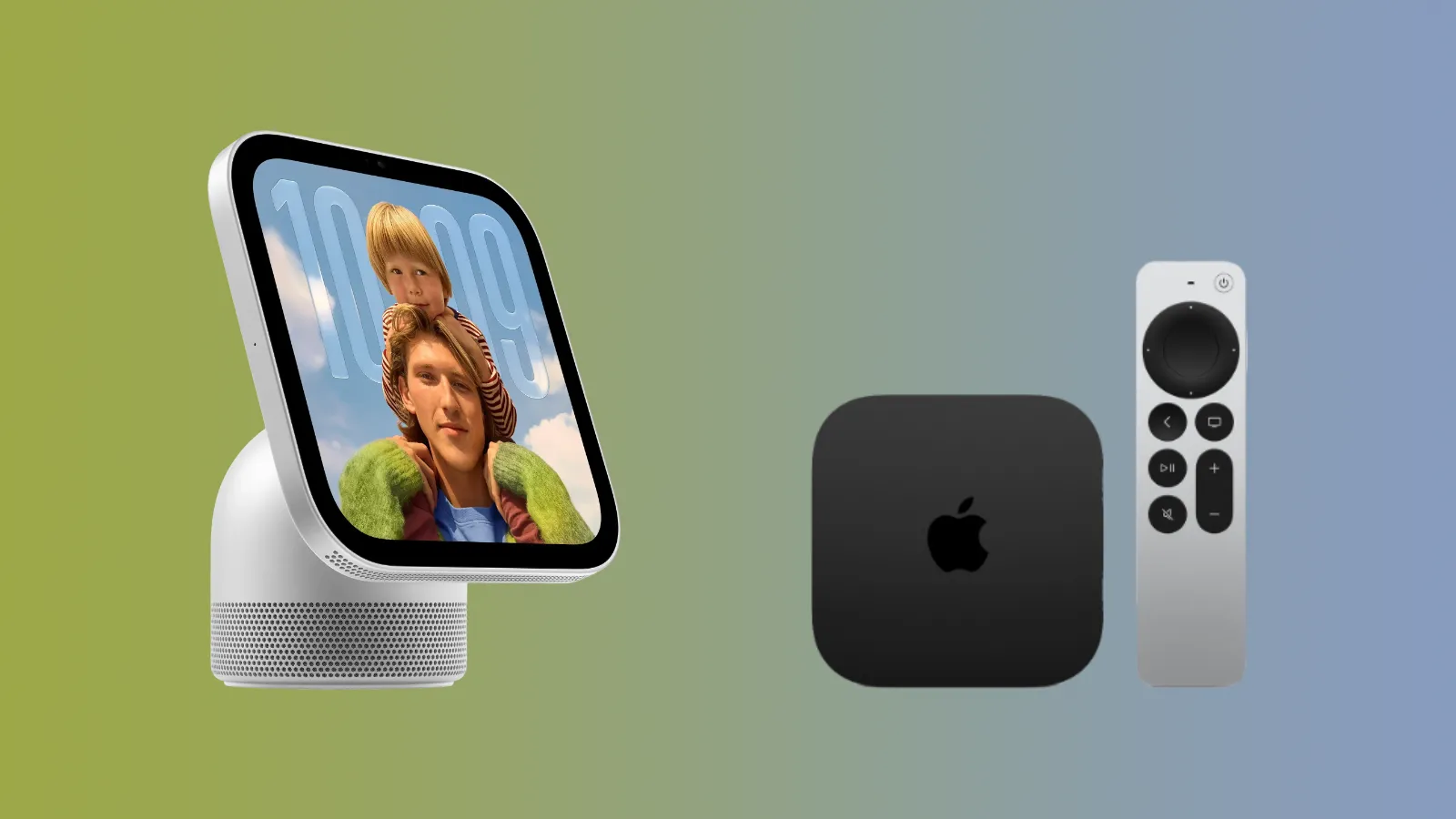
In mid-October, Apple hosted a small 'Apple Experience' event in New York City where content creators and members of the media were invited to watch a small presentation and get a hands-on look at the new Apple TV 4K, HomePod mini 2 and Apple HomeView.
This was Apple's first major rethink of its home category in a while. The previous HomePod mini was quickly approaching its sixth birthday, the Apple TV 4K approaching its fourth, and the last home product released by Apple was over three years ago.
HomeView
The Apple HomeView is an all-new product line and is the first Apple home hub to use a display. This device features a 7-inch square display that sits on top of a cylindrical speaker base that runs some sort of modified version of iOS, working in a similar way as CarPlay.
It has a 12MP Centre Stage camera for FaceTime calls and facial recognition as it can identify up to six family members to securely and privately show information relevant to them.
Apple also sells a wall-mounted variant, which requires a third-party mount as Apple does not sell their own.
Apple TV 4K & HomePod mini 2
The new Apple TV 4K and HomePod mini 2 are simple refreshes, now featuring the more up-to-date A19 and S10 chips respectively.
These chips help power Siri AI, which will vastly improve the experience of using the HomePod mini and will be a useful addition to the Apple TV when browsing content.
Both devices externally look the same as their previous generations. The only difference with the new Apple TV is that the front LED has moved to the centre on the device and the HomePod mini is available in new colours.
HomePod mini 2 Release
Whilst the Apple HomeView and Apple TV 4K release in mid-November, the HomePod mini 2 became available on Friday, 30th October.
Dive Deeper
To learn more about Apple's new home products, visit their entries in the Everything Apple Product Library using the links below:
Pro and Tell Product Launch
Apple didn't stop there, and hosted another product launch just two weeks later.
This time the focus was on the iPad and the Mac, releasing a new iPad mini, iMac and range of MacBook Pro models.
iPad mini (A20 Pro)
Apple updated the iPad mini for the first time in two years, replacing the LED display with OLED which provides deeper blacks and better colour contrast. The new display panel allowed them to make the iPad mini's bezels thinner and massively reduce the thickness of the iPad by 0.9mm. This makes iPad mini the second thinnest iPad, following behind the iPad Pro, and it is now thinner than the iPhone Air.
In addition to these changes, Apple upgraded the chip to the powerful A20 Pro, which now makes the iPad mini capable at the latest AI features including expressive Siri voices, and they introduced a new TechWoven fabric Smart Folio to complement the device.
M6 iMac & M6 MacBook Pro
Apple refreshed its colourful and iconic all-in-one desktop, and its popular base model MacBook Pro with the latest M6 chip. With iMac moving from the M4 chip, it benefitted from a boost in SSD speeds and improved Wi-Fi and Bluetooth.
Other than these internal improvements, you wouldn't know these devices are new. The M6 iMac and MacBook Pro feature the same colours, external design and features.
This was a slightly disappointing release, especially after rumours were circulating of a new iMac colour lineup.
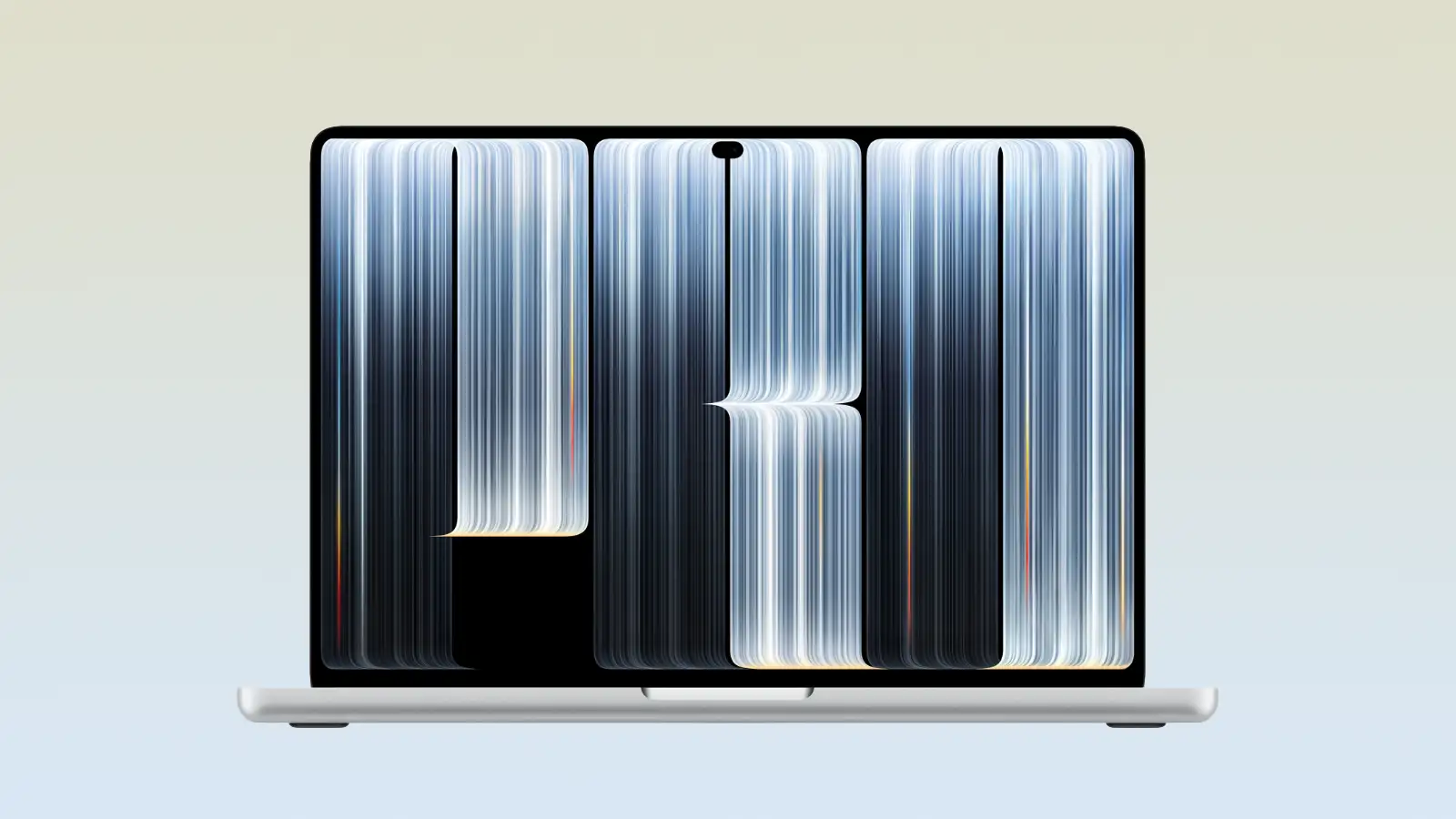
Touchscreen MacBook Pro
Apple saved the best for last, where it introduced the touchscreen to the MacBook Pro. Separate from the M6 MacBook Pro, these new models feature the M5 Pro and M5 Max chips and are a much higher-end configuration.
macOS can detect whether it is receiving touch input, to adapt the OS to be more usable with touch, but Apple has said that the Mac’s primary input method remains via keyboard and mouse.
In addition to a touchscreen, Apple replaced the mini-LED display with a Tandem OLED, they are branding it as PROLED XDR. It is advertised as the best ever display in a laptop and uses similar display technology to the iPad Pro.
Following in the footsteps of the new iPad mini, this device has also been made thinner and is significantly lighter.
Dive Deeper
To learn more about the new iPad mini and Mac models, visit their Product Library entries:
Other Notable Events
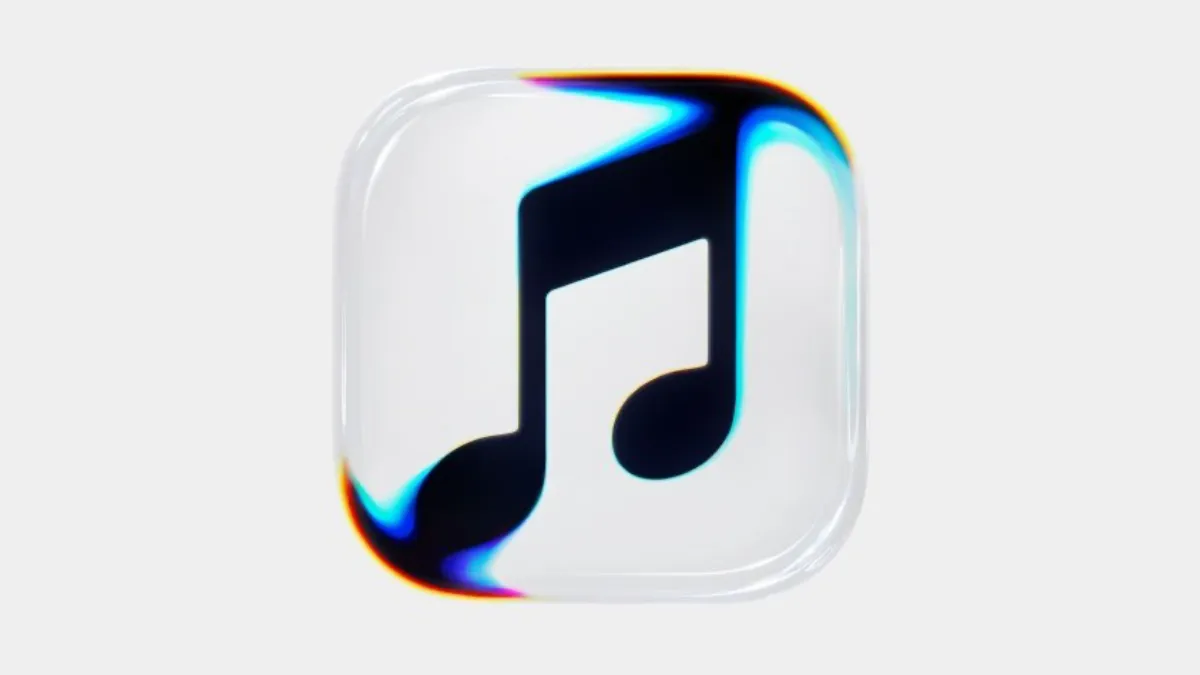
In addition to a flurry of new devices announced and released by Apple, the company rebranded its music streaming service, reopened a UK retail location after a 100+ day refurbishment, and raised the price of the MacBook Neo for students.
Apple SouthGate reopens
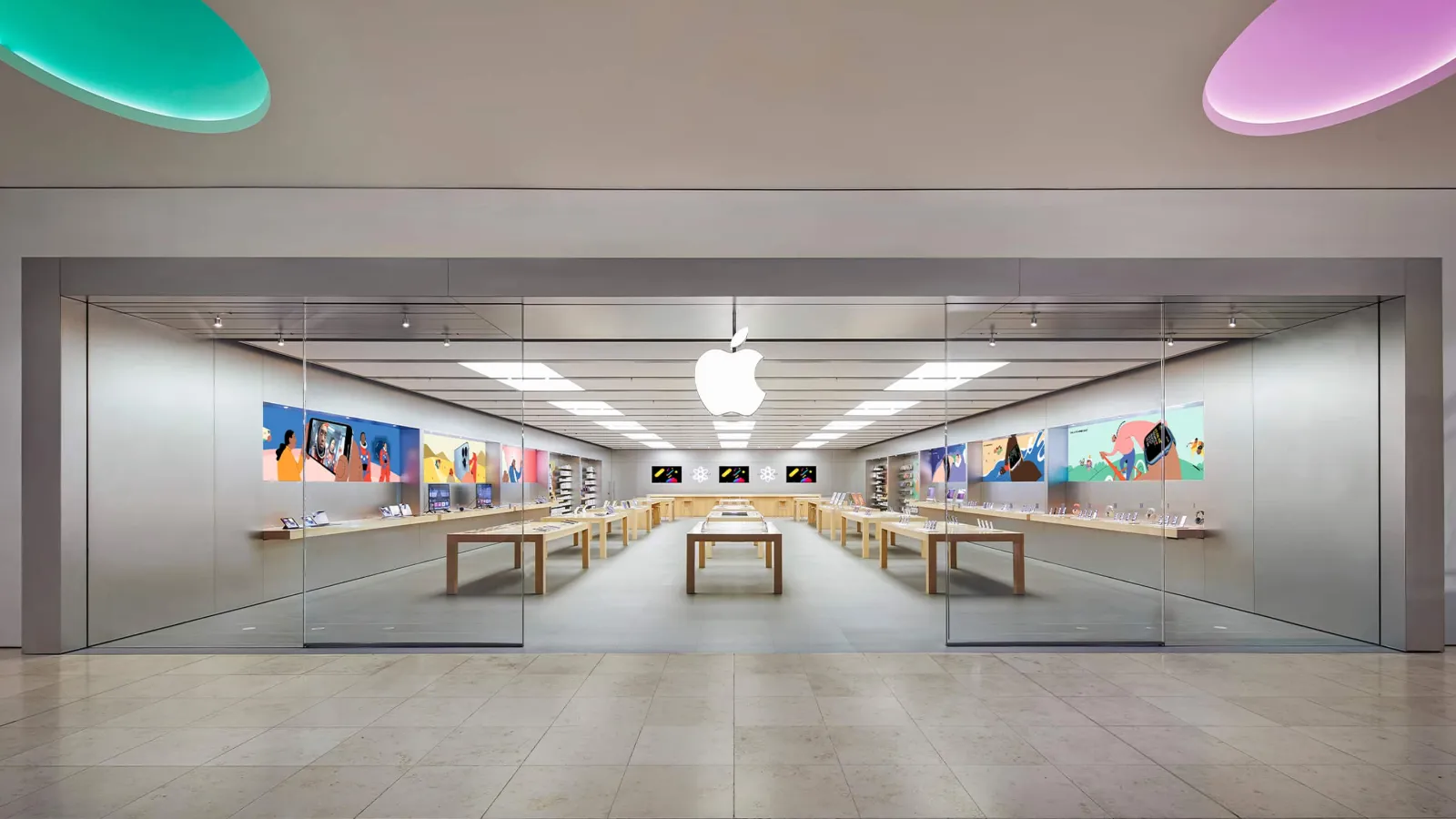
Apple's store in Bath UK reopened on the 23rd October after a 110-day refurbishment.
The location closed in July and is part of a continued project at Apple to modernise its retail locations.
You can read the full article here.
Apple Music Rebrands
The iconic red accent colour of Apple Music is no more, with Apple replacing the theme with a much more monotone black and white app icon. This is because Apple created a new word mark and brand assets, mainly seen in adverts and on their social media pages so far, using real sound waves caused by music.
Apple released a video explaining their reasoning behind the rebrand as they continue to prioritise human creativity in a world of generative AI.
You can read more about the rebrand here.
MacBook Neo price change
Students who want to grab the MacBook Neo at a discount on Apple's education store just got a worse deal. Previously, students could claim £100 off the MacBook Neo for £599.
However, on the 28th October, Apple quietly reduced the discount to £50. This means students shopping for a MacBook Neo will now be set back £649.
This is a significant jump over its launch price, where students could buy it for just £499.
Final Thoughts
It’s been a busy month in the world of Apple, with (mostly) good news.
Six products announced this month are set to launch in November, meaning we'll still see plenty of hands-on videos, reviews and first impressions over the coming weeks. However, this is believed to be Apple's final major wave of announcements for 2026.
The company continues to navigate rising memory and component costs, which have contributed to price increases on some products, while also dealing with the ongoing iPhone Duo 'CrackGate' controversy.
From a new iPhone form factor to a fundamental change in how people interact with the Mac, October has given Apple plenty of momentum heading into the final months of 2026.