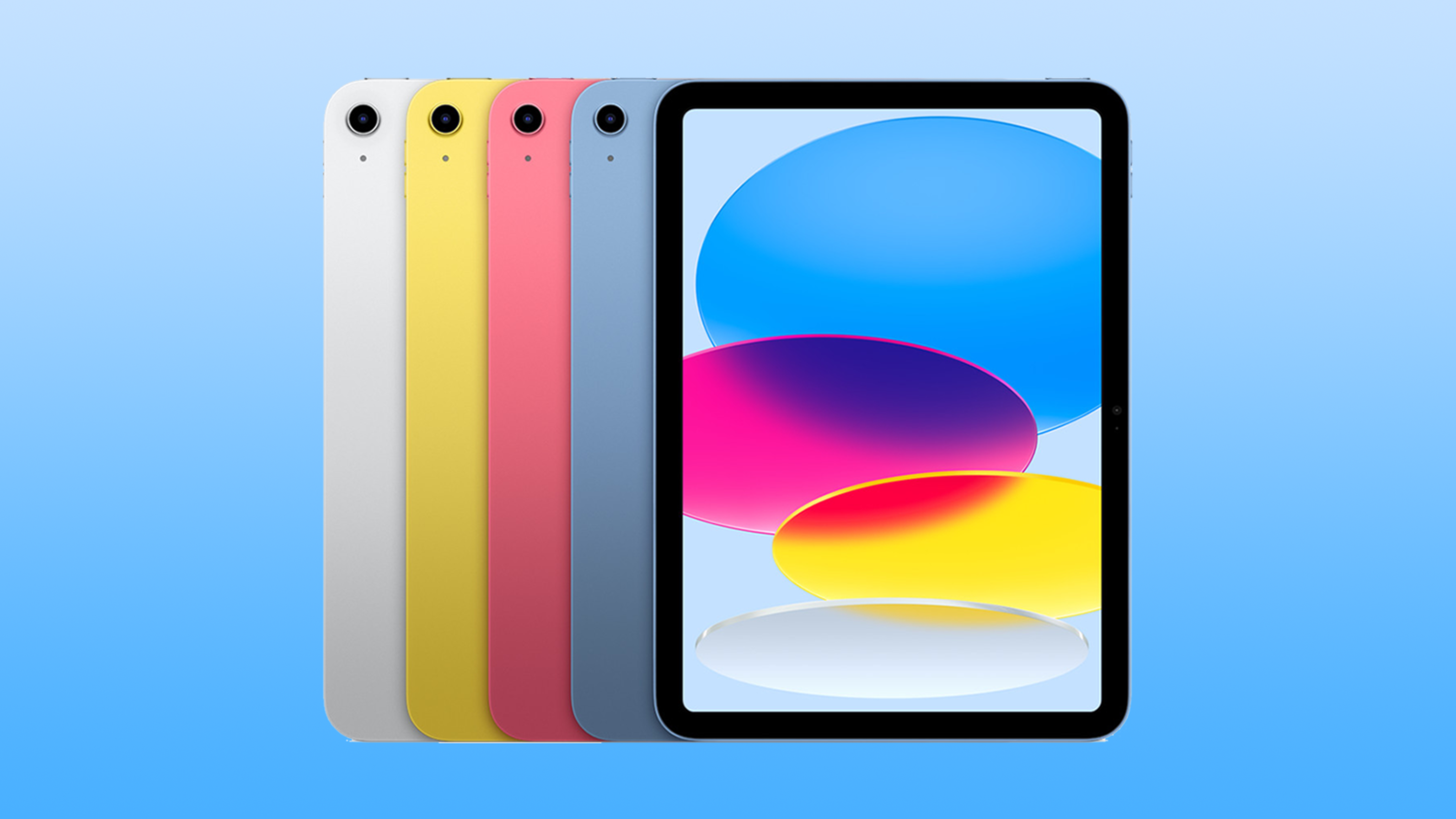
Apple's entry-level iPad is one of the worst deals in tech right now, retailing for £429 with a mediocre display, an older chipset and no compatibility with Apple's premium iPad stylus. Unfortunately, this lack of value extends beyond the base model to Apple's entire iPad lineup.
So what's letting the iPad lineup down, and are things about to change?
Base Model iPad
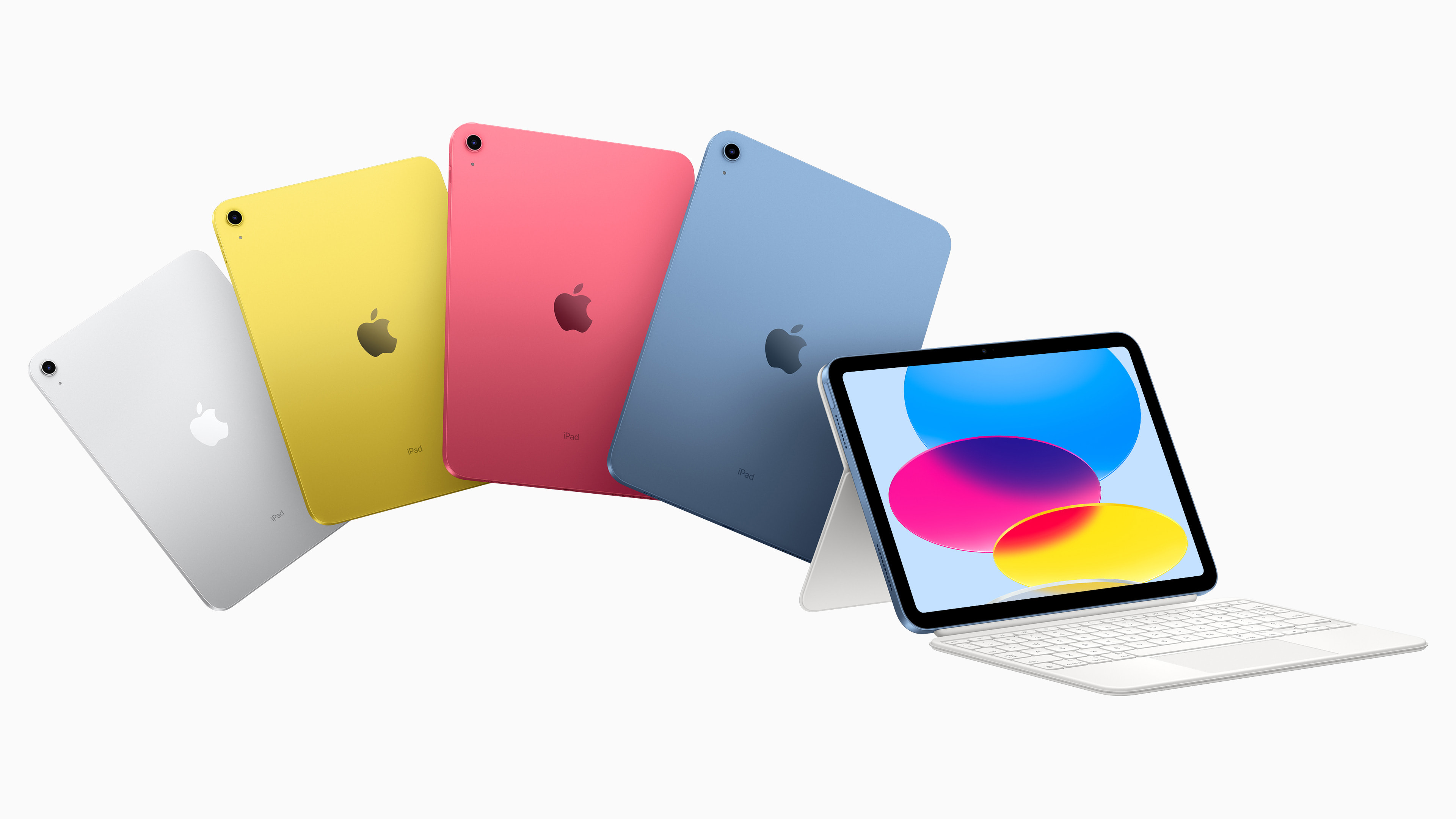
Apple launched its current base model iPad, the iPad (A16), in March 2025, retailing from £329. At the time this was reasonably priced, using a chip that was about two and a half years old, and the all-screen design that first debuted in the 10th-generation iPad in 2022. So what changed?
Price Hikes & Display Quality
In June 2026 Apple increased the price of all its iPad models, including the iPad (A16) to now start at £429. This price makes the compromises of this device harder to justify, as it still uses a non-laminated display that produces an air gap between the cover glass and display itself. This provides a less premium experience when using the device and makes it feel like a cheaper tablet - though the new price suggests it has left that market.
Apple Pencil Support
Additionally, the lack of a wireless Apple Pencil charger on the side of this iPad model means the device does not support the Apple Pencil Pro. Pencil Pro provides additional features artists and other users could greatly benefit from including barrel roll, pressure sensitivity, and gestures to access quick controls.
Some may ask: Why would the budget iPad user buy the premium Apple Pencil?
This iPad model has left the budget market at this point, and Apple has always offered much more expensive accessories with this entry-level iPad. The Magic Keyboard Folio for this device costs £249. When the iPad (A16) launched the keyboard cost about 76% of the iPad itself, and today that number has fallen to about 58% - though this is still a large proportion.
Apple Pencil Pro's £129 price tag now looks considerably less unreasonable.
Apple Intelligence and Siri AI
iPad (A16) is the only current iPad model that does not support Apple Intelligence. In fact, every iPhone, Mac and Apple Watch model in the current lineup supports Apple's AI features.
Apple is making a big push in AI, recently debuting iPadOS 27 with a smarter version of Siri, new photo editing tools, updated writing tools and an updated image generation app, Image Playground.
Whilst the iPad (A16) did receive iPadOS 27, many of the new features this year are not supported on the device. If Apple continues its big push in AI, which it is expected to do, the gap between the A16 iPad and the rest of Apple's lineup could become increasingly noticeable.
MacBook Neo
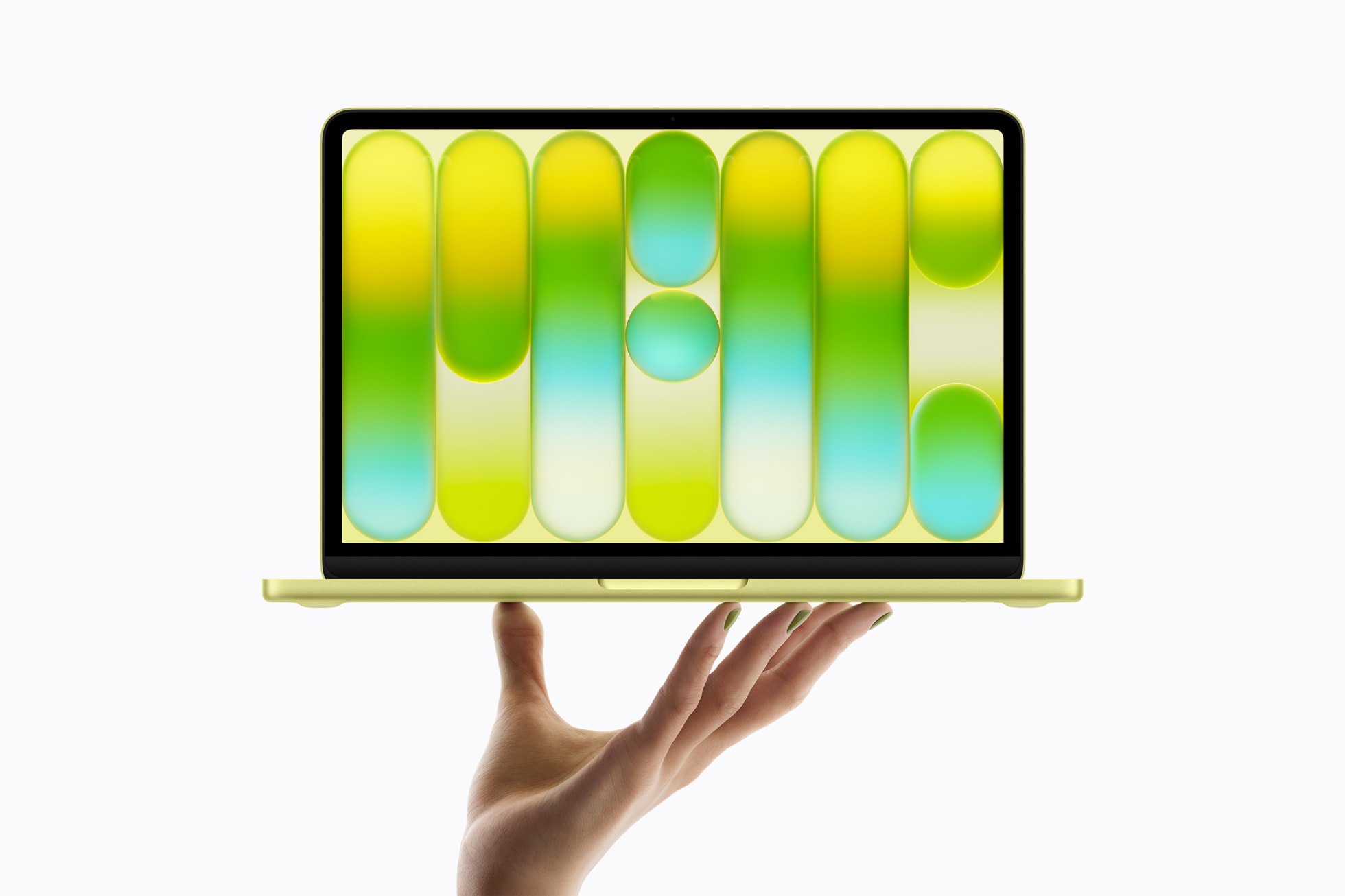
One of the biggest iPad (A16) disruptors could be the MacBook Neo, a new entry-level Mac laptop from Apple that costs £699.
MacBook Neo has a larger 13-inch screen, an Apple Intelligence-capable A18 Pro chip and a desktop-class operating system, macOS.
Yes, £699 is a jump from £429, but once you add a keyboard to your iPad (A16), you're looking at £678. Personally, I'd spend the extra £21 and get a MacBook Neo.
Other iPad Models
Apple has three other iPad models:
- iPad mini
- iPad Air
- iPad Pro
The hardware on each of these models, particularly the iPad Pro, is better compared to the base model iPad. However, the displays on the iPad mini and iPad Air are beginning to feel dated, and you pay a hefty £1,199 for the better quality hardware on the iPad Pro.
iPad mini
The iPad mini, my personal favourite iPad model, has its perks over the base model iPad. The device supports Apple Pencil Pro, Apple Intelligence & Siri AI, uses a laminated display, and has a slightly more modern A17 Pro chip.
However, the screen remains a 60Hz LCD, which limits its contrast and black levels compared with OLED. When watching TV shows or other content with dark scenes, blacks can appear somewhat washed out, with a slight purple tint.
The bezels could also be smaller, which would increase the screen size of the device whilst keeping it mini.
iPad Air
The iPad Air provides a similar experience as the iPad mini, though it does have a much more modern and capable M4 chip.
The similarities are in the hardware design and screen itself, with similar thick bezels and the same 60Hz LCD display. At £749, it is increasingly difficult to justify pairing the Air's premium price with this display.
A higher-quality display, such as mini-LED or OLED, would help the iPad Air's case as a premium £700+ tablet.
iPad Pro
Apple has put a lot of time and effort into the iPad Pro. It's the thinnest Apple Product ever, has a Tandem OLED 120Hz ProMotion display and an M5 chip.
iPad Pro has the best-looking display out of any product Apple sells, and can be configured with the anti-reflective nano-texture coating for an even more premium viewing experience.
So what's the downside?
This quality comes at a cost - £1,199. That is just the entry price, as if you want the keyboard that is an additional £299 for the 11-inch model.
That puts your final costs at £1,498 which again puts you in MacBook territory. A MacBook Air would get you a dedicated keyboard, a larger display and macOS, although the MacBook's display doesn't match the iPad Pro's OLED panel.
The iPad lineup could be getting more valuable soon
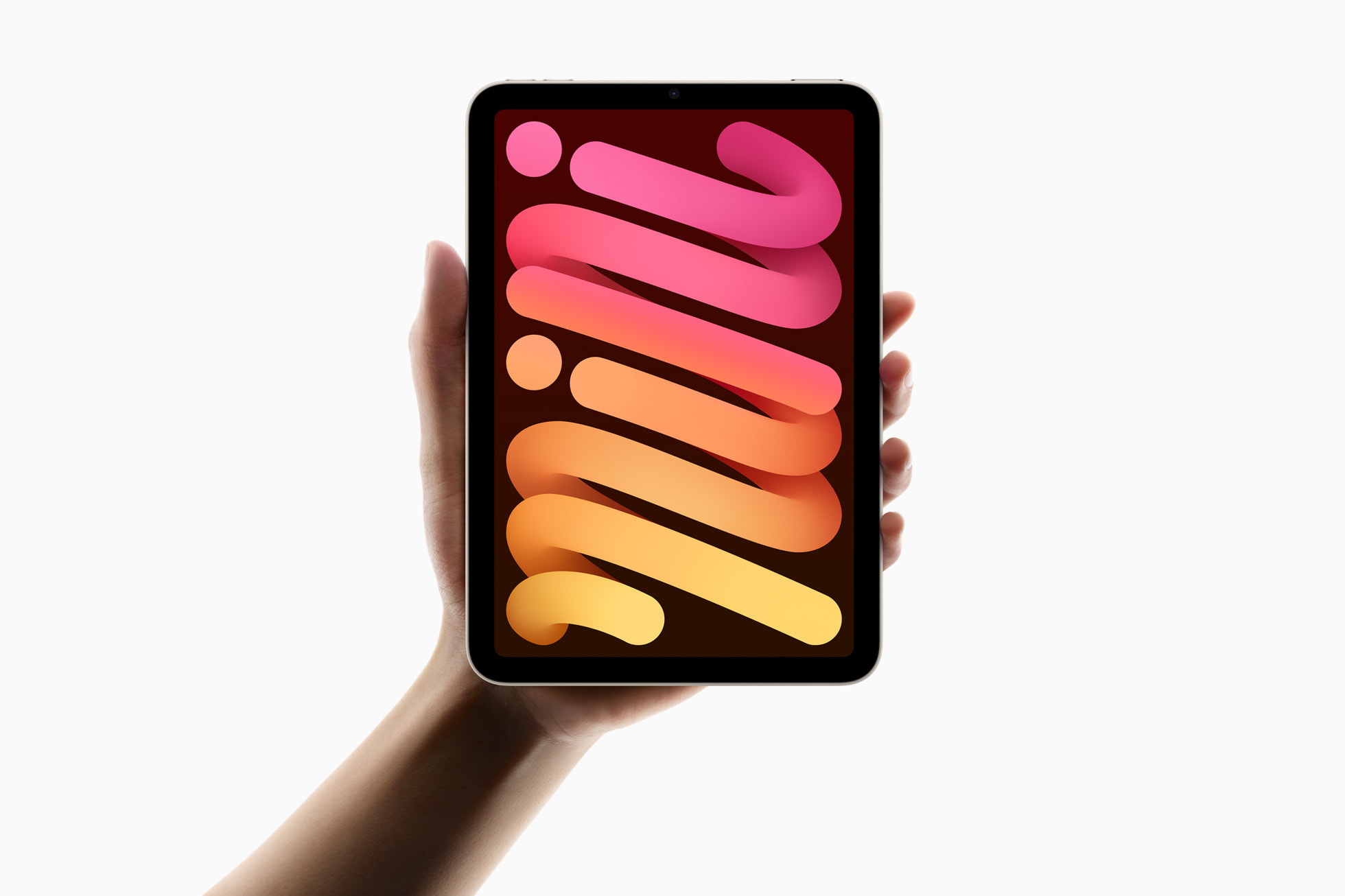
New rumours suggest we could be getting better iPad screens soon, starting with the iPad mini as soon as this month.
iPad mini
Various reports suggest the next-generation mini may get an OLED display for better colour and contrast, which will be a major improvement for those who use the device for entertainment.
An OLED screen could also address the bezels of the iPad and the thickness of the device. The next-generation model is expected to have smaller bezels and as OLED displays take up less space, the iPad could be thinner.
The older A17 Pro chip could also be replaced with the latest A20 Pro.
iPad
The base model iPad isn't expected to get a major overhaul any time soon. However, we could finally see a newer chipset in the device early next year, which would improve device speeds and introduce Apple Intelligence and Siri AI to the entry iPad for the first time.
This change would also unlock dozens of newer AI software features, and help put software longevity concerns at ease.
iPad Air
The iPad Air is also rumoured to get an OLED display at some point in 2027 or 2028, though the device’s future remains much more unclear when compared to the iPad mini and iPad.
Final Thoughts
Apple's base model iPad may be one of the worst deals in tech right now, but it may just be the product category in general as Apple has not given its lower-end iPad models meaningful hardware upgrades for a few years now.
In short, if you're looking at buying an iPad, maybe see if you can hold off until later this month for the new iPad mini, or potentially next year where we could see a refreshed base-model iPad and iPad Air.
It seems that the iPad lineup may be in a different, hopefully much more positive, position this time next year.