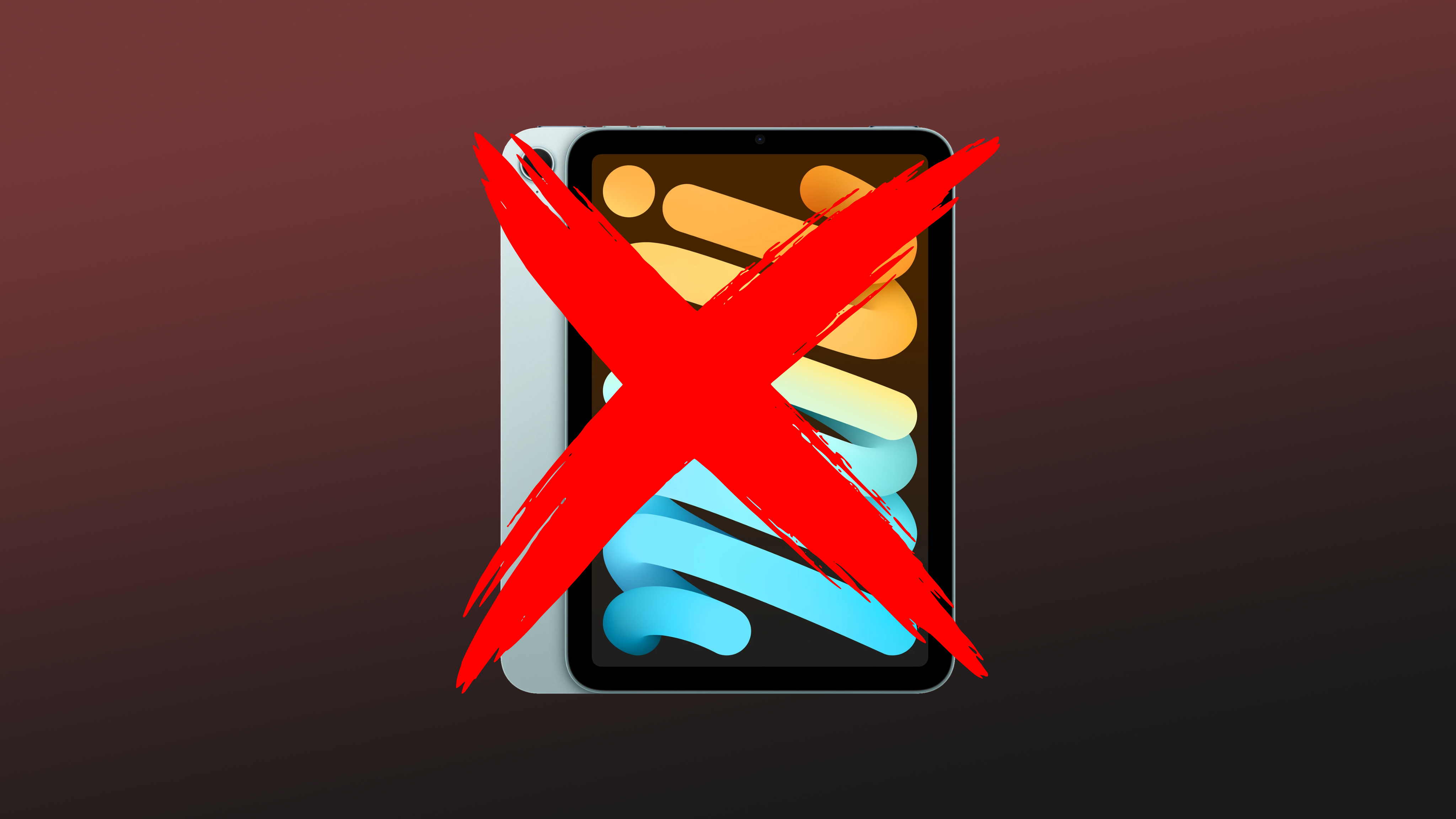
Apple is set to release its first ever foldable iPhone in just a matter of weeks, with the device expected to resemble an iPad mini when unfolded. So, with the release of this device could it mark the beginning of the end for Apple's smallest iPad model?
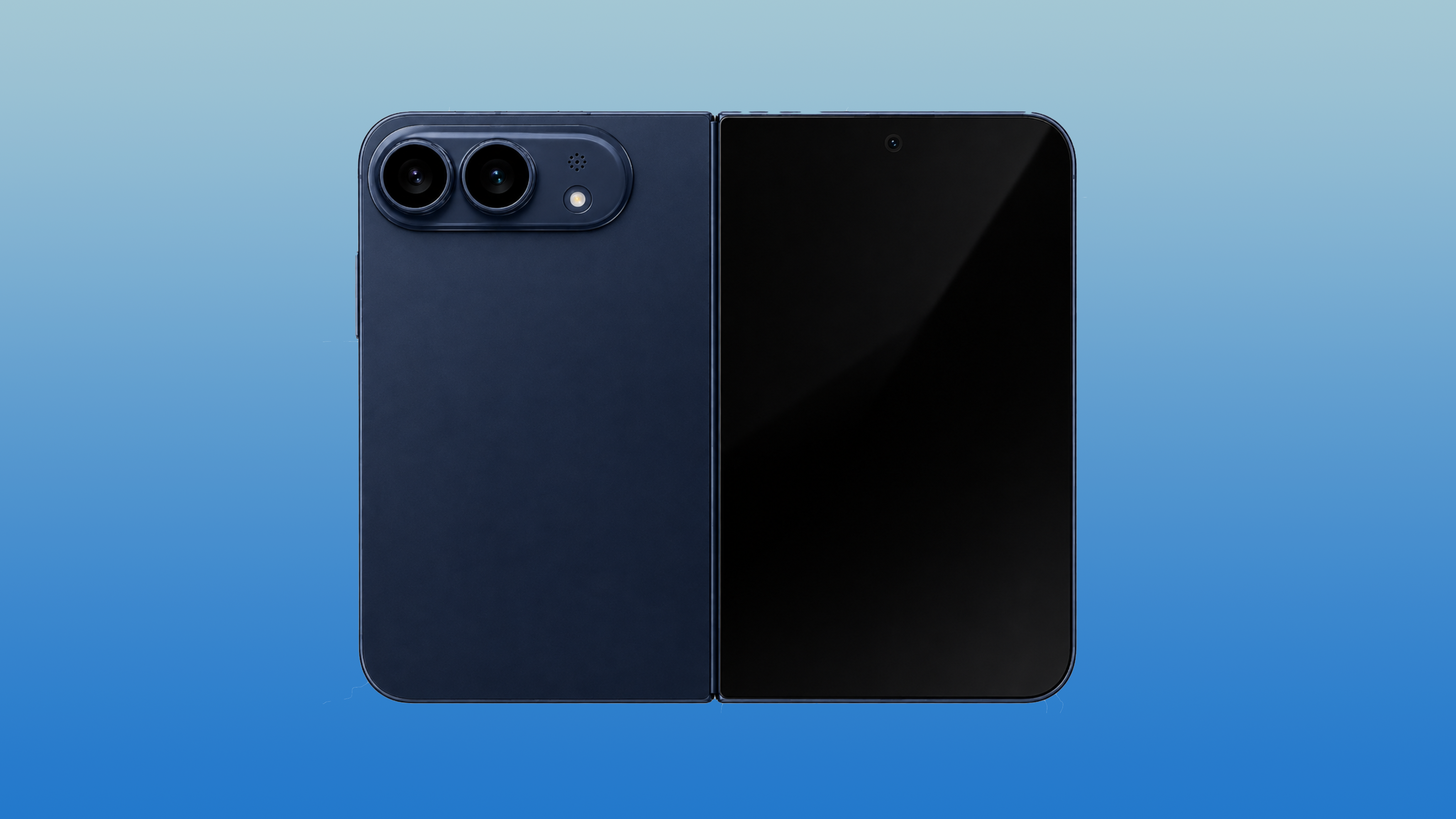
iPhone Fold (or whatever Apple decides to name it) has been described as a passport style foldable, with a short, wide rectangle front display.
This form factor allows the device to unfold and reveal a large iPad-like display, that will be much more suitable for viewing content, such as YouTube video, without wasting a large area of screen.
The latest iOS 27 betas back this up, with many native iPhone apps receiving landscape support, potentially in preparation for the foldable device.
2-in-1
A new device by Apple, that resembles both the iPhone and iPad experience, could convince many to ditch the separate devices for a single device that does both.
Some users may like the idea that an iPhone Fold can be their main daily device to make and receive phone calls, make payments when out and about and get on with their day. Then, later in the day, they can unfold the device to consume content, instead of reaching for their iPad.
Plus, people who have bought the iPad mini for handheld gaming or portability when travelling, may find the device redundant if they can buy a foldable iPhone with a ProMotion screen, newer, more powerful silicon and drop the second device altogether for just an iPhone.
Better Hardware
iPad hardware has been lacking in recent years, when compared to the iPhone, as Apple has less competition in the tablet space.
75% of the current iPad lineup still uses 60Hz displays, previous-generation silicon and do not have OLED screens. The iPhone Fold is expected to have a 120Hz ProMotion OLED display, with the latest A20 or A20 Pro Apple silicon.
With the foldable iPhone expected to debut with a thin titanium chassis, and dual-camera system, the aluminium enclosure of all iPad models, and underwhelming single camera systems will look significantly dated on comparison.
Apple Pencil
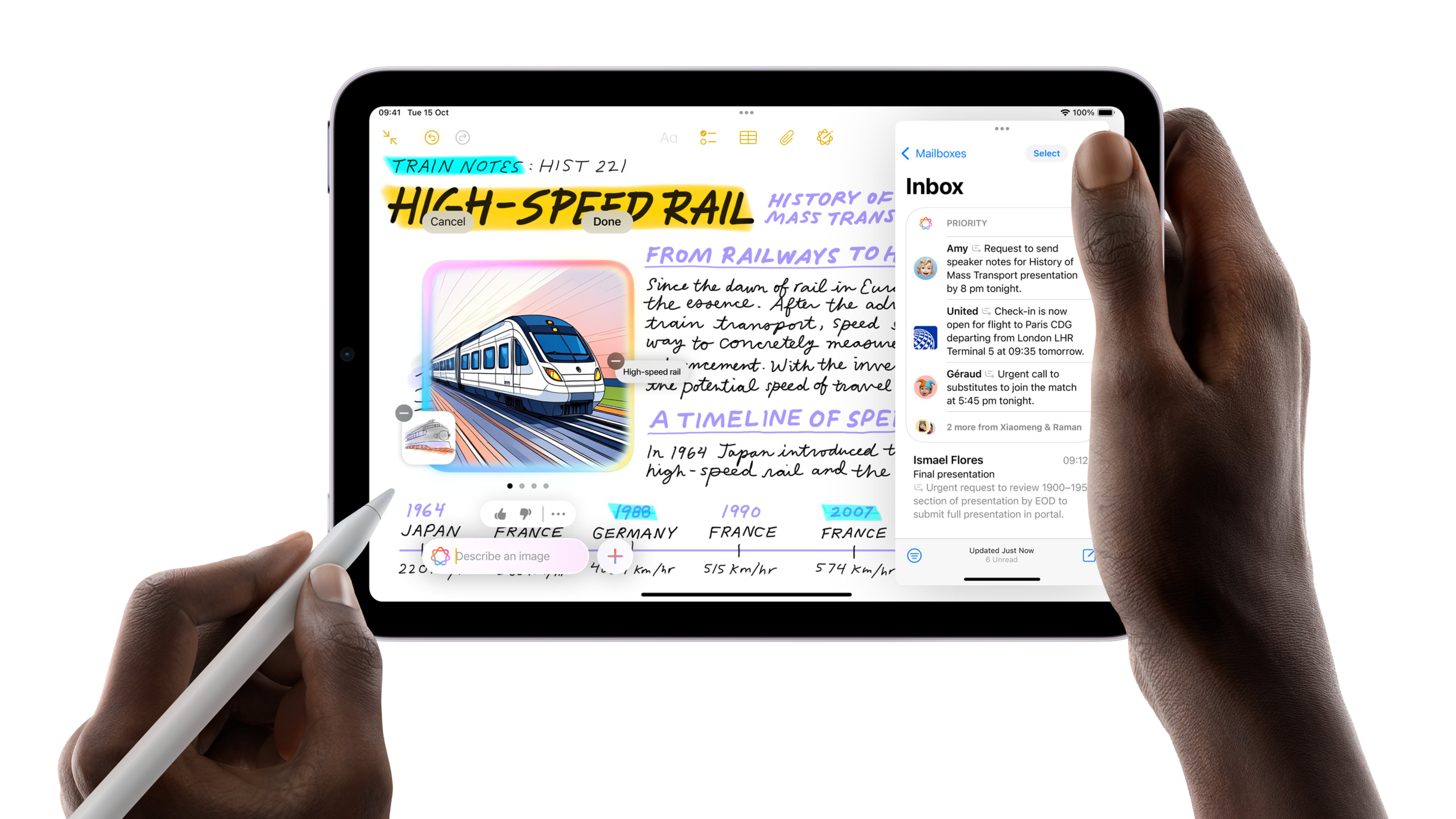
One of the biggest arguments for iPad mini, is the Apple Pencil.
We do not expect Apple Pencil to work with the foldable iPhone, which will help keep the mini relevant to note-takers and artists who enjoy the conveniently-sized iPad mini.
Multi-tasking
No multi-tasking arrangements have been announced regarding the iPhone Fold, so it remains up in the air if Apple will introduce windowing modes to iOS.
However, Apple may only go as far as two apps open at once, as the company has always approached multi-tasking slowly and carefully. Full support for multiple windows only launched to iPadOS less than a year ago.
This gives iPad mini the edge in multi-tasking, as despite its size, the tablet supports all the same multi-tasking features as seen on the 13-inch iPad models.
Price
The target audience of iPad mini and iPhone Fold will be very different.
iPad mini retails for £599, whereas rumours suggest a foldable iPhone could launch at over £2000. Similar products on the market, such as the Samsung Galaxy Z Fold8, retails from £1,699. This device launched earlier this year, in the same form factor that is expected with iPhone Fold.
iPad mini buyers are looking for a device to use as an e-reader, or a small-sized and portable media machine. iPhone Fold buyers are likely tech and Apple enthusiasts looking for the best, cutting edge technology from Apple, no matter the cost.
Everything Apple's View
The iPad mini will still have its place in Apple's lineup.
Whilst some iPhone Fold buyers may find there is no longer a need for an iPad, the iPad mini serves a specific use case that an iPhone Fold cannot completely replace. Its larger display, iPadOS software and lower price point make iPad mini an attractive option for customers shopping for a portable tablet, without paying flagship iPhone prices.
Apple is also unlikely to discontinue one of its more affordable iPad models and push those customers towards a device that could cost up to four times as much.
This new device could blur the line between the iPhone and iPad, but both devices will remain relevant in their respective markets.