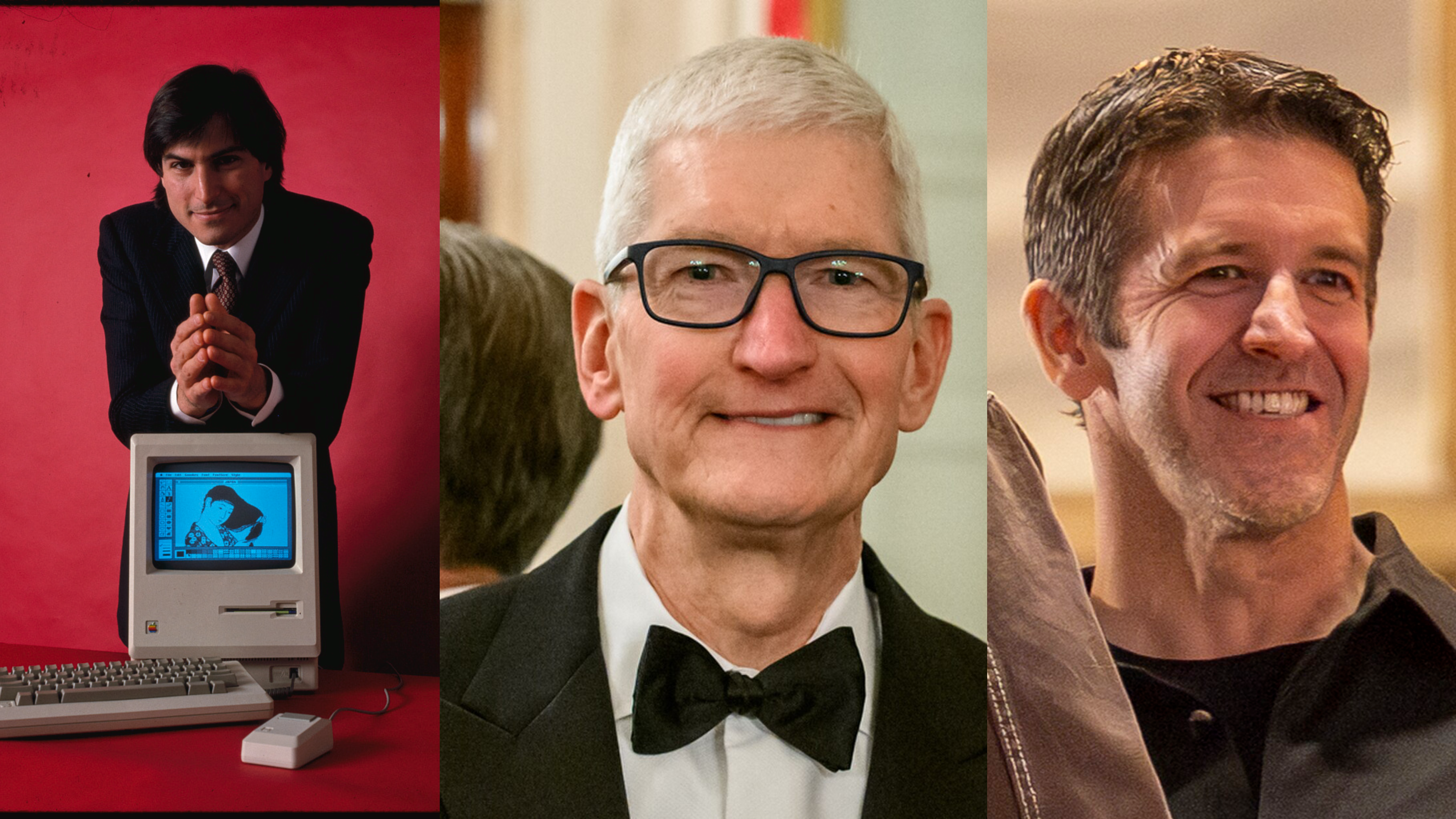
Apple's new CEO could usher in a new era of more experimental products as the tech giant looks to launch products faster and break away from its usual autumn and spring launch schedules.
In a new report from Bloomberg, Mark Gurman reports that Apple CEO John Ternus wants to make Apple a "leaner organization" that has a bigger focus on product engineering, and releases more products at a faster pace.
This includes potential changes to Apple's predictable autumn and spring launches, where we have come to expect new iPhones, Watches and AirPods in September, new Macs in October, and iPads alongside a budget iPhone early in the year.
In addition to changing its launch schedule, Apple could be looking at reducing the number of people it employs as Ternus looks to "reduce the layers separating engineers from senior executives", and potentially increase the workloads of existing engineers at the company.
Bloomberg reports that some staff changes are already occurring, with some engineering program managers, who manage product timelines and coordinate work, being dismissed. These cuts have reportedly even affected some of the company's most senior staff, such as directors.
One of Gurman's sources, who remained anonymous, told Bloomberg that it was "hectic" and that everything is "a lot more hands-on than it used to be." This could link back to Ternus' wish that engineers took on more work.
Signs of Change
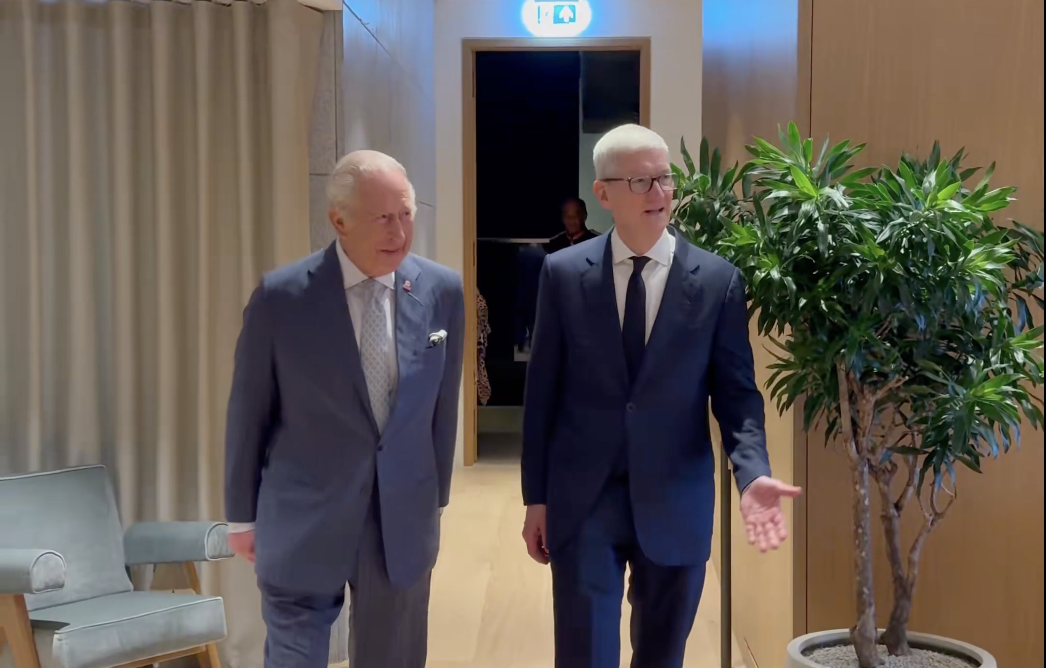
Things have already felt different this year from an outside standpoint, even before Tim Cook stepped down as CEO.
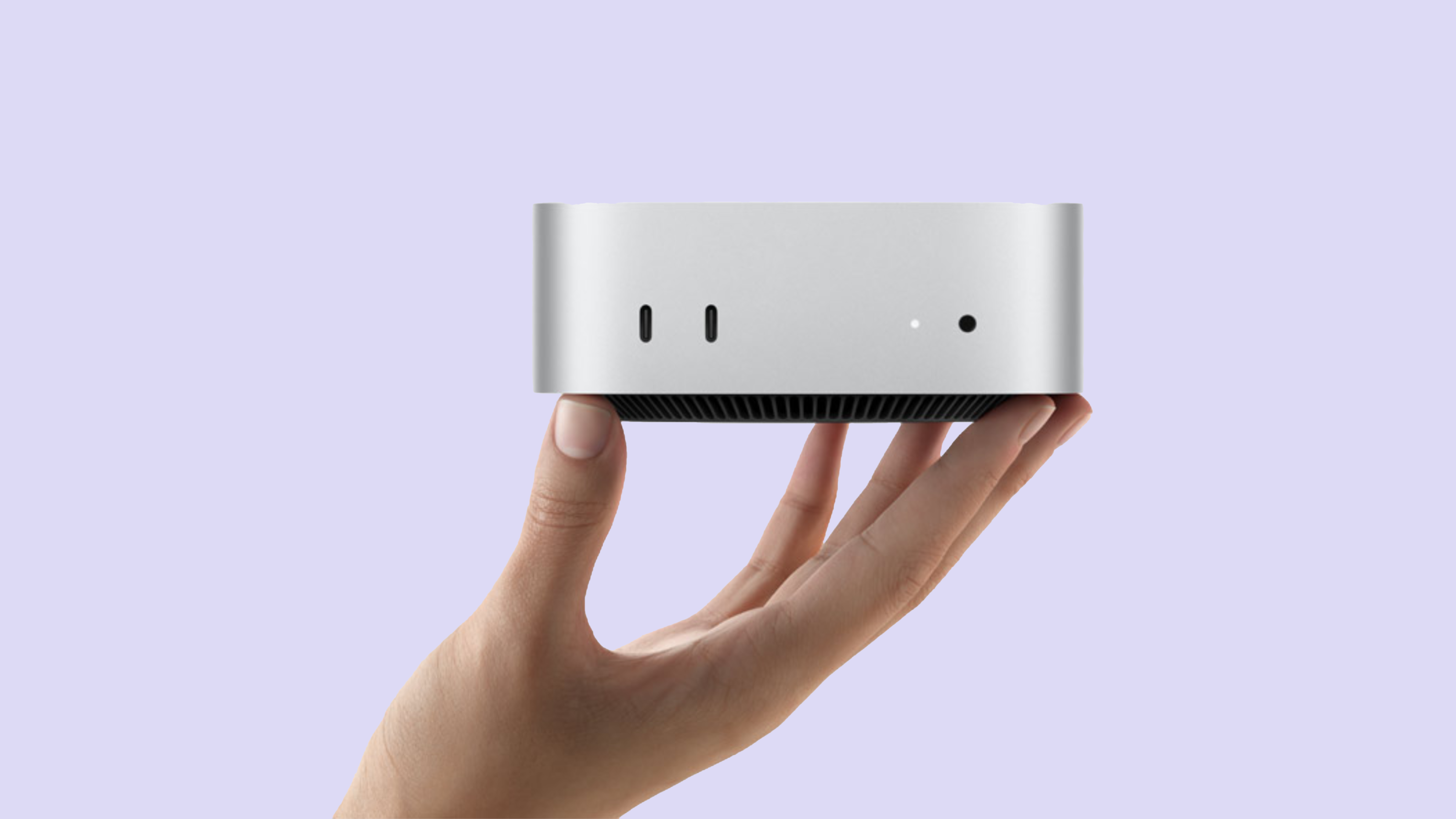
In March, we saw Apple launch a budget MacBook - MacBook Neo - the first new laptop model from the company in over a decade. This September, Apple announced the iPhone Duo set for launch in October, the first real new form factor iPhone since 2007.
Notably, in September Apple didn't launch the full iPhone 18 lineup as reports suggest they plan to split iPhone launches between autumn and spring. The base model iPhone, entry-level iPhone and second-generation iPhone Air could all launch in February or March next year. This is a break away from a long-standing tradition of autumn releases. The last standard iPhone to launch outside the September-to-November window was the iPhone 4, which debuted in June 2010.
Is Faster Paced a Good Idea?
Apple has built a reputation for entering markets after competitors have already established them, but then attempting to redefine what consumers expect from the category.
Successful late launches
Tablets existed long before 2010, but the launch of the iPad helped popularise the category with mainstream consumers. Its success was so significant that 'iPad' is often used when referring to the general product category.
Apple wasn't first to either smartwatches or wireless earbuds, but the Apple Watch and AirPods went on to become major products in their respective categories.
In the case of foldable phones, Samsung released their first foldable in 2019. Seven years later, Apple has announced the iPhone Duo which is already estimated to capture almost 25% of the foldable market in 2026, according to TrendForce. The product isn't even out yet, and will be on sale for less than 3 months of this year.
These are examples of the company's slower approach to product development, which has clearly paid off in the long term. So is it a good idea to launch products faster?
When Apple is fast-paced
Apple is faster-paced in one aspect of the company - software.
New platform versions are only in public testing for about three months, and Apple's operating systems have not been in a good place recently. From a number of bugs reported in iOS 26, generative AI delays and my buggy experience with macOS 27 Golden Gate, speeding up product development with fewer employees could return similar results.
Where Apple could benefit from fast-paced development
There is certainly a case for Apple moving faster. Some products in its current lineup have gone years without meaningful updates, despite competitors continuing to innovate around them.
- HomePod mini is almost 6 years old
- The design of the Magic Mouse has not changed since 2009
- iPad mini (A17 Pro) is almost 2 years old
- The current Apple TV 4K released 4 years ago
Final Thoughts
Apple's new CEO faces a difficult decision. The company could benefit from moving faster and experimenting with more products, but their history suggests that its strength has often come from taking its time. Can John Ternus balance both sides, or could we see Apple taking a more risky approach with its products in the future?
Whatever happens, Bloomberg reports that many of these changes are in the early consideration stages and "could take years".