Apple is known for its world-renowned design teams and setting the standards in product design. Despite this, the company continues to sell highly controversial products where, on paper, a competitors product is the obvious choice.
Magic Mouse

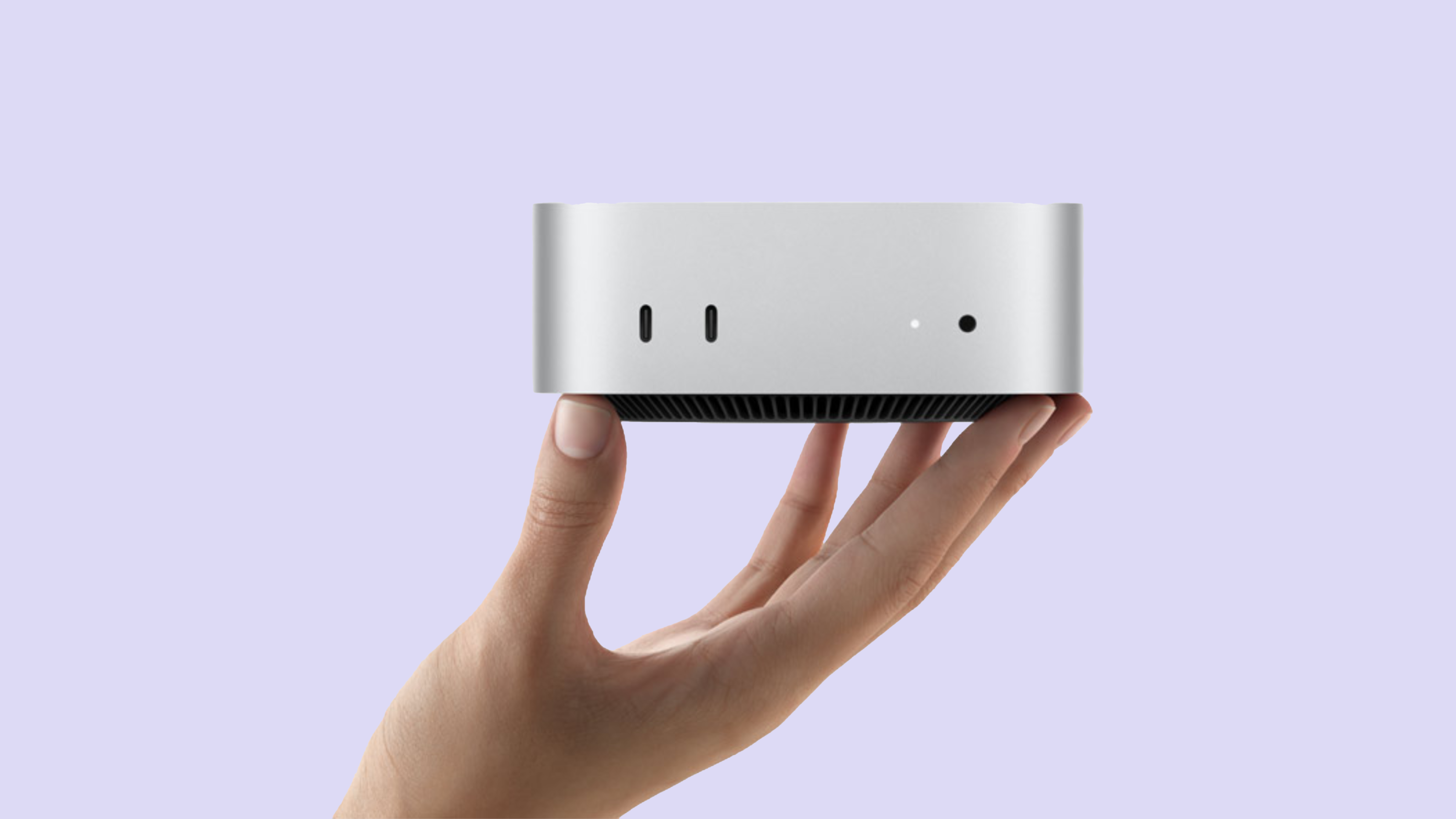
The first product that might come to people's minds is the Magic Mouse, Apple's infamous computer mouse that ditched the scroll wheel for a touch interface, sits at just 2.16cm tall, and charges from the bottom.
Despite these obvious 'flaws', the form factor remains unchanged since its initial release in 2009, with no changes expected any time soon.
Apple Studio Display

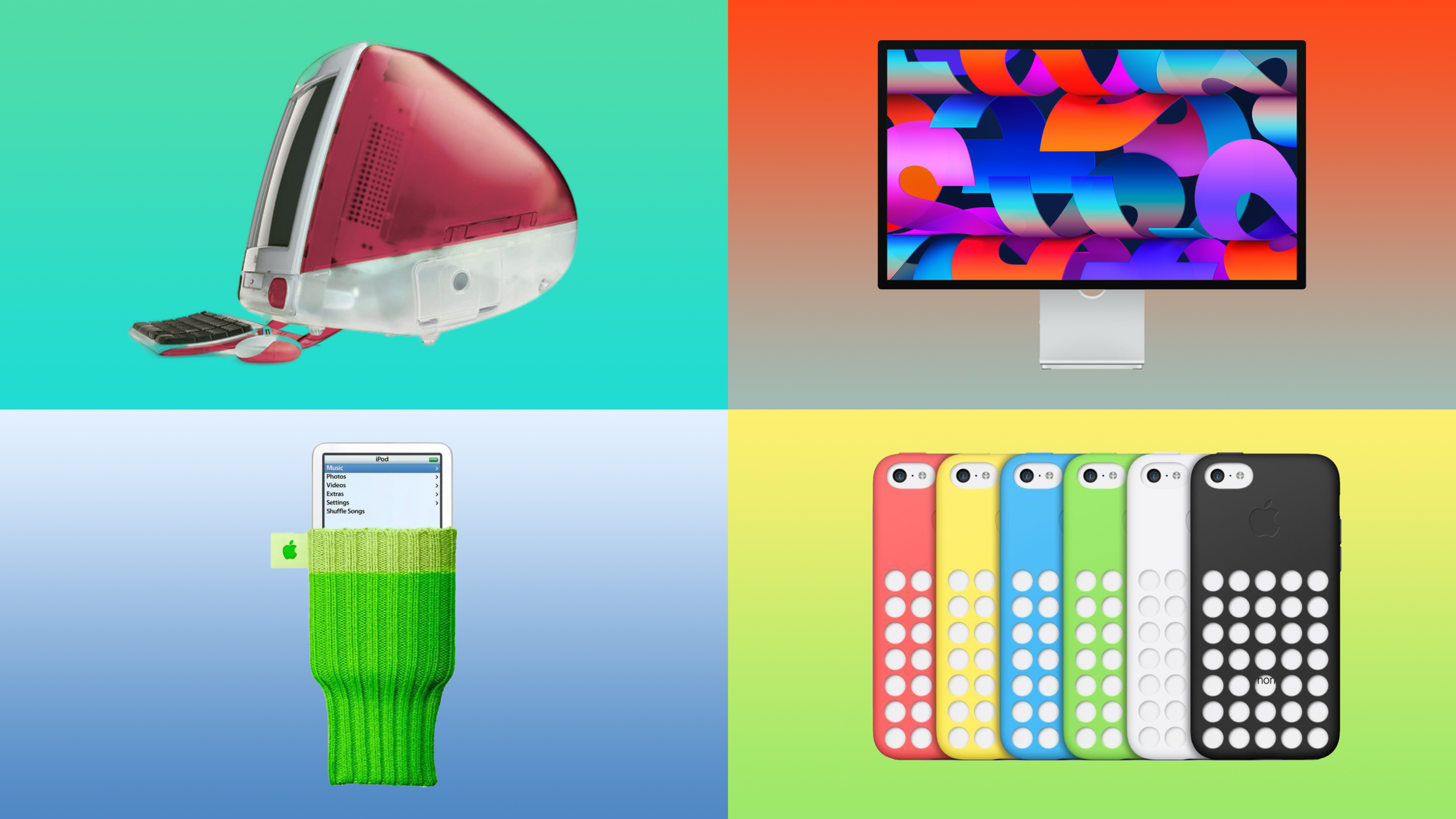
In 2022, Apple released its 5K resolution, 60hz refresh rate Mac monitor alongside the all-new Mac Studio, starting from £1,499.
At launch, it was one of the only few 5K consumer displays available on the market, making it a great choice for users shopping for a higher-resolution screen.
However, as more 5K monitors from third-party manufacturers released over the coming years, with a lower price tag and higher refresh rate, the Studio Display was ridiculed for its old panel technology that is said to have originated from the 2014 5K iMac.
Four years later, Apple doubled-down on the Studio Display releasing essentially the same product again, using the same panel as before.
AirPods Max

Apple's over-ear AirPods are often described as too heavy, too expensive and shipping with an inadequate case that doesn't protect the headphones.
Compared to other headphones on the market, AirPods Max compete with form-factors that are more comfortable, lighter and more compact for travel and storage.
Apple has also been criticised for selling the same model of AirPods Max (excluding the USB-C refresh) for 6 years at the same £499 price. Though, a newer model released earlier this year in March.
So, why are these some of my favourite products?
Despite their criticism, flaws and older specifications, all of these products are unique to Apple.
Each device represents Apple's dedication to building an experience with their products, rather than releasing incoherent devices with the best specs available.
Magic Mouse is built exclusively for the Mac. The touch interface allows the device to seamlessly control macOS with gestures, creating an experience that feels specifically designed for Apple's software.
Apple Studio Display is not just a monitor, the device provides an all-in-one desktop experience with built-in speakers, microphones, a camera and deep integration with macOS. The display also features the same iconic silver aluminium finish as the Mac it is paired with.
AirPods Max integrate effortlessly with all of your Apple devices, providing automatic switching, lossless audio and listening modes. Plus, they fit right in when placed on a stand alongside your entire Apple ecosystem.
As someone who personally owns an Apple Studio Display and Magic Mouse, I have no regrets, despite my knowledge I could have spent my money on objectively better tech elsewhere.
Iconic Products That Shaped Apple Design
This is not a new approach to product design. Looking back, some of the companies most iconic products were devices initially criticised, ridiculed or dismissed by both the industry and consumers.
iMac G3

The iMac G3 was Apple's semi-transparent colourful line of desktops released between 1998 and 2001.
These were vastly different to the boring beige computers on the market at the time, with the iMac G3 available in colours such as Bondi Blue, Strawberry, Lime, Tangerine and Grape.
The computer even debuted without a floppy disk drive, which was seen as the universal standard for software distribution at the time.
iPhone 5C

Early iPhone models used safe, monochrome colours, including blacks, silvers and greys. This changed when Apple debuted its more budget friendly, plastic iPhone in 2013.
Unlike the premium iPhone 5s lineup that was available in Space Grey, Gold and Silver, iPhone 5c came in White, Pink, Yellow, Blue and Green.
These bold finishes paired with Apple cases that had circular cutouts, to show off the iPhones colour.
One reviewer at the time called the cases "Tastefully Tacky", with others noting how different the accessory was.
Despite peoples concerns, the look was eye catching and stood out among competitors phones and accessories.
iPod Socks

Apple's iPod Socks are probably one of the most unusual releases in the companies history.
They were simply a range of colourful fabric sleeves that resembled socks, made to protect an iPod when travelling.
The company sold them for about eight years, and they were available in green, purple, grey, blue and orange.
Why These Products Matter
Apple's different, and sometimes 'flawed' products, have helped shape Apple's brand identity as a design focused technology company.
Their bold and questionable devices are great for moving the industry forward, marketing, and helping the company stand out in a crowded consumer tech market.
These products help bring personality to each device, and are key to future successes. The Mac may not be where it is today if Apple shipped another safe, beige computer in 1998 instead of the iMac G3.
Image Credits (in order of appearance):
- Everything Apple
- Colin Davis, Unsplash
- Olivier Amyot, Unsplash
- Project 290, Unsplash
- David Klein, Unsplash
- Maurizio Pesce, Wikimedia Commons
- Blake Patterson, Wikimedia Commons